
As I sat in a small café in Tokyo, struggling to order a simple cup of coffee in Japanese, I realized that learning a language for travel isn’t just about memorizing phrases – it’s about immersing yourself in the culture. I’ve always believed that the key to truly experiencing a place lies in its language, and yet, I found myself relying on gestures and smiles to get by. It was a humbling moment, and one that made me realize the importance of how to learn a language for travel in a way that goes beyond just tourist phrases.
In this article, I’ll share my personal, no-hype approach to learning a language for travel, one that focuses on practical tips and cultural immersion. You’ll learn how to move beyond phrasebooks and language learning apps, and instead, dive into the rhythm and soul of the place you’re visiting. I’ll provide you with honest, tried-and-true advice on how to learn a language for travel, from finding language exchange partners to using local music and media to improve your listening skills. By the end of this guide, you’ll be equipped with the tools and confidence to truly connect with the people and places you encounter on your travels.
Table of Contents
Guide Overview: What You'll Need
Total Time: 2 months – 1 year
Estimated Cost: $0 – $100
Difficulty Level: Intermediate
Tools Required
- Language Learning App (e.g., Duolingo, Babbel)
- Dictionary (physical or digital)
- Flashcard Software (e.g., Anki)
- Language Exchange Website (e.g., italki, Conversation Exchange)
Supplies & Materials
- Language Textbook (optional)
- Audio Lessons (e.g., podcasts, audio courses)
- Notebook (for writing notes and vocabulary)
- Internet Connection (for online resources and practice)
Step-by-Step Instructions
- 1. First, let’s start with the foundation of language learning: immersion. I always begin by surrounding myself with the sounds, rhythms, and cadences of the language I want to learn. This means listening to local music, watching films or TV shows in the target language, and even trying to find language exchange partners or tutors who can help me get a feel for the language.
- 2. Next, I focus on learning the most commonly used phrases and expressions that will help me navigate everyday situations, like ordering food, asking for directions, or introducing myself. But instead of just memorizing phrases, I try to understand the cultural context behind them – what do they reveal about the people and their values? This helps me connect with the language on a deeper level and avoid stereotypes.
- 3. Now, it’s time to dive deeper into the language by learning its grammar and syntax. I find that the best way to do this is by reading local literature, newspapers, or even social media posts in the target language. This helps me get a sense of how the language is used in real-life situations and pick up on nuances that might not be immediately apparent from phrasebooks or language learning apps.
- 4. To improve my speaking skills, I try to practice consistently, even if it’s just for a few minutes each day. This can be as simple as speaking with a language exchange partner, recording myself, or even just thinking in the target language. The key is to make language learning a habit, so it becomes second nature and I can focus on communicating effectively rather than just memorizing rules.
- 5. One of the most important things I’ve learned about language learning is the value of mistakes. Instead of being afraid to make errors, I try to embrace them as an opportunity to learn and improve. This means being willing to take risks, try new things, and experiment with the language – even if it means sounding silly or making a fool of myself.
- 6. As I progress in my language learning journey, I try to seek out authentic materials that will challenge me and help me improve. This can include watching TV shows or movies without subtitles, listening to podcasts or radio shows in the target language, or even trying to decipher local signs and advertisements. The goal is to surround myself with the language as much as possible and absorb its rhythms and nuances.
- 7. Finally, I believe that language learning is not just about mastering a skill, but about connecting with people and cultures. This means being open to new experiences, trying local foods, attending cultural events, and engaging with the community in meaningful ways. By doing so, I’ve found that language learning becomes a journey rather than a destination, and one that’s filled with surprises, delights, and deep connections with the people and places I encounter.
Unlocking Travel Through Language
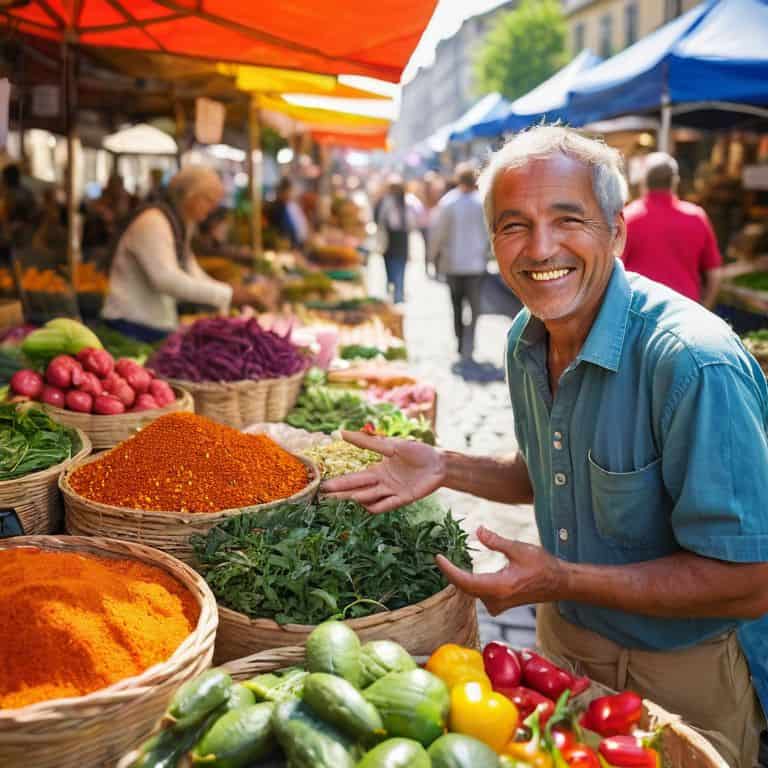
As I delve into the world of language learning for beginners, I’m reminded that it’s not just about mastering phrases, but about embracing the culture. When I’m exploring a new city, I love stumbling upon local markets, where the sounds, smells, and tastes all blend together in a beautiful cacophony. It’s in these moments that I feel like I’m truly connecting with the place and its people. By learning a few key phrases, like “where is the nearest market?” or “what’s your favorite local dish?”, I can tap into the rhythm of the city and start to feel like a local.
One of the most powerful tools I’ve discovered for cultural immersion techniques is language exchange programs. These programs allow me to connect with native speakers, practice my language skills, and learn about the local customs and traditions. It’s amazing how much more nuanced my understanding of a place becomes when I’m able to communicate with the people who call it home. Whether it’s through a formal program or just striking up a conversation with a stranger, overcoming language barriers abroad is an incredible feeling that opens up a whole new world of possibilities.
As I continue on my journey, I’ve found that language learning apps for travelers can be a great resource for staying on track and learning new phrases on the go. However, I always try to balance my app-based learning with real-world interactions, whether it’s through a language exchange program or just chatting with locals at a café. By combining these approaches, I’ve been able to develop a deeper understanding of the languages and cultures I’m encountering, and travel language courses have become a valuable part of my toolkit.
Beyond Phrases Cultural Immersion
As I delve into the nuances of a new language, I find myself entwined in a rich tapestry of cultural immersion. It’s no longer just about deciphering words, but about unraveling the subtle threads that weave a community together. I recall strolling through a bustling marketplace in Marrakech, where the aroma of freshly baked khobz and the cacophony of Arabic dialects enveloped me, transporting me to a world beyond phrases. In that moment, language became a gateway to the soul of the place, a symphony of sounds, flavors, and traditions that transcended mere communication.
Through language, I’ve discovered hidden gems – a family-owned trattoria in Rome, where the pasta is handmade and the stories are warmer than the espresso; a vibrant street festival in Mumbai, where the rhythms and spices blend in a kaleidoscope of color and sound. These experiences have taught me that cultural immersion is not just a byproduct of language learning, but its very essence. By embracing the intricacies of a new language, I’ve gained access to a world of unscripted moments, untold stories, and unforgettable encounters that linger long after the journey ends.
Overcoming Barriers With Exchange Programs
As I delved deeper into the world of language and travel, I discovered the beauty of exchange programs. These initiatives allowed me to connect with native speakers, immersing myself in their daily lives and fostering meaningful relationships. I recall spending a summer in rural Italy, where I helped a local family with their harvest in exchange for language lessons and home-cooked meals. It was a transformative experience, one that taught me the value of reciprocal learning and cultural exchange. Through such programs, I’ve found that language barriers begin to dissolve, and the true essence of a place starts to reveal itself.
By participating in exchange programs, travelers can break down the walls that often separate them from the local community. It’s no longer just about speaking the language; it’s about understanding the nuances, the humor, and the history that underpin everyday conversations. As I reflect on my own journeys, I realize that these experiences have been the most rewarding, allowing me to forge lasting bonds and gain a deeper appreciation for the cultures I’ve encountered.
Unpacking the Art of Language Learning for Travelers
- Immerse yourself in the local culture by attending language exchange events, where you can practice your speaking skills with native speakers and gain insight into the nuances of the language
- Focus on learning colloquial expressions and idioms, which will help you connect with locals on a deeper level and navigate everyday situations with ease
- Explore language learning podcasts and audio materials that cater to your travel goals, offering practical phrases and conversations to get you started
- Make the most of your travels by learning a few key phrases in the local dialect, such as directions, food orders, and basic greetings, to break the ice and show respect for the culture
- Keep a travel journal to record new vocabulary, phrases, and grammar rules as you encounter them, reflecting on your experiences and solidifying your language skills through writing and self-reflection
Embracing the Essence of a Place: 3 Key Takeaways
As I reflect on my journeys, I’ve come to realize that learning a language for travel is about embracing the nuances of a culture, not just memorizing phrases – it’s the gateway to unlocking the soul of a place, one conversation at a time.
Through cultural immersion and exchange programs, we can transcend the barriers that once seemed insurmountable, and find ourselves woven into the fabric of a community, with all its vibrant colors and textures.
Ultimately, the true magic of language learning lies not in the grammar rules or vocabulary lists, but in the moments of connection, of shared laughter, and of silent understanding – the moments that remind us we’re not just travelers, but fellow human beings, navigating this beautiful, messy world together.
The Heart of Language
To truly learn a language for travel, you must first learn to listen to the silence between the words, to taste the rhythms of a culture, and to feel the weight of history in every syllable – for it’s in these hidden places that the soul of a language awaits.
Anika Sharma
Embracing the Journey: A Path to Deeper Connections

As I reflect on my own journey of learning languages for travel, I’m reminded that it’s not just about mastering phrases, but about embracing the unknown and being open to new experiences. Through cultural immersion, exchange programs, and a willingness to listen and learn, we can break down barriers and forge meaningful connections with the people and places we encounter. Whether it’s stumbling upon a hidden gem in a local market or sharing a home-cooked meal with a host family, the rewards of language learning are countless, and the journey itself is just as valuable as the destination.
As you embark on your own language learning journey, I encourage you to let go of perfection and embrace the beauty of imperfection. Remember that language is a tool, not a barrier, and that every conversation, no matter how faltering, is an opportunity to build bridges and foster understanding. So, take a deep breath, be brave, and dive into the rhythm and soul of the place – for it’s in these moments of raw, unscripted connection that we discover the true essence of travel, and the profound impact it can have on our lives.
Frequently Asked Questions
How can I effectively learn the nuances of a language in a short amount of time before traveling?
For me, it’s all about diving into the local rhythm – tune into podcasts, watch TV shows or movies in the target language, and try to find a language exchange partner who can share everyday expressions and anecdotes. It’s amazing how quickly you can pick up the nuances when you’re immersed in the sounds and stories of a place.
What are some strategies for overcoming the fear of speaking a new language with native speakers while abroad?
For me, it’s about embracing the beauty of imperfection – stumble, make mistakes, and laugh with the locals. I recall a time in a tiny café in Tokyo, I butchered a simple phrase, and the owner gently corrected me, inviting me to stay for a traditional tea ceremony. In those moments, language barriers dissolve, and true connections are born.
Are there any language learning methods or resources that you've found to be particularly effective for travelers, such as podcasts or mobile apps?
For me, it’s all about immersive resources – I swear by podcasts like ‘Coffee Break’ and apps like Memrise, which offer conversational lessons and culturally relevant vocabulary. But what really gets me excited is stumbling upon local radio shows or language exchange podcasts that feel like a warm conversation with a friend.