
I still remember the night I found myself staring down a wine bottle with no corkscrew in sight – it was a moment of pure panic, and I thought to myself, “Is opening wine without a corkscrew really going to be the thing that ruins my evening?” But then I took a deep breath, and my urban beekeeping-honed problem-solving skills kicked in. I realized that, just like navigating a beehive, opening wine without a corkscrew is all about having the right tools and a clear plan. With a little creativity, I was able to get the wine open and enjoy a lovely evening with friends.
In this article, I’ll share my step-by-step system for opening wine without a corkscrew, because let’s face it, adulting is hard enough without adding wine-related stress to the mix. You’ll learn how to turn a potentially frustrating situation into a manageable, even empowering, experience. I’ll walk you through the simple, practical steps to get that wine open, from using everyday objects to creating a makeshift corkscrew. By the end of this guide, you’ll be equipped with the knowledge and confidence to tackle any wine-related emergency that comes your way, and you’ll see that opening wine without a corkscrew is not a crisis, but rather a minor bump in the road.
Table of Contents
Project Overview

Total Time: 5 minutes
Estimated Cost: $0 – $5
Difficulty Level: Easy
Tools Required
- Screwdriver (flathead)
- Hammer (light taps only)
- Pliers (for gripping)
Supplies & Materials
- Nail (a single, thin nail)
- Screw (as an alternative to a nail)
Step-by-Step Instructions
- 1. First, let’s assess the situation and gather our tools. We need a wine bottle with a cork, a sharp object like a screwdriver or a knife, a pair of pliers or a wrench, and a lot of patience. Make sure you have a stable and flat surface to work on to avoid any accidents.
- 2. Next, we need to remove the foil covering the cork. This is usually the easiest part, and you can do it by simply pulling the foil off or using a knife to cut it around the edge of the bottle. Be careful not to push the cork into the bottle while doing this.
- 3. Now, it’s time to create a hole in the cork. Take your sharp object and carefully push it into the center of the cork, trying to go straight in as much as possible. You might need to use a bit of force, but be gentle to avoid pushing the cork into the bottle.
- 4. Once you have a hole, use your sharp object to gently pry the cork out. You can do this by inserting the object into the hole and twisting it slowly. Be patient, as this might take a few minutes. If the cork starts to break apart, don’t worry, we can still get the wine out.
- 5. If the cork is being stubborn, you can use your pliers or wrench to get a better grip. Insert the pliers into the hole and try to pull the cork out slowly. Remember to be careful, as the cork might break, and you don’t want any pieces falling into the wine.
- 6. With the cork partially removed, you can now use a drip-free pouring method to get the wine into your glass. You can place a coffee filter or a piece of cloth over the mouth of the bottle to catch any cork pieces that might fall in. Pour slowly and carefully to avoid spilling.
- 7. Finally, clean up the mess and enjoy your wine. Make sure to dispose of the cork and any broken pieces properly. Take a moment to appreciate the sense of accomplishment and the fact that you were able to overcome a small obstacle with a little patience and creativity.
Opening Wine Without Corkscrew
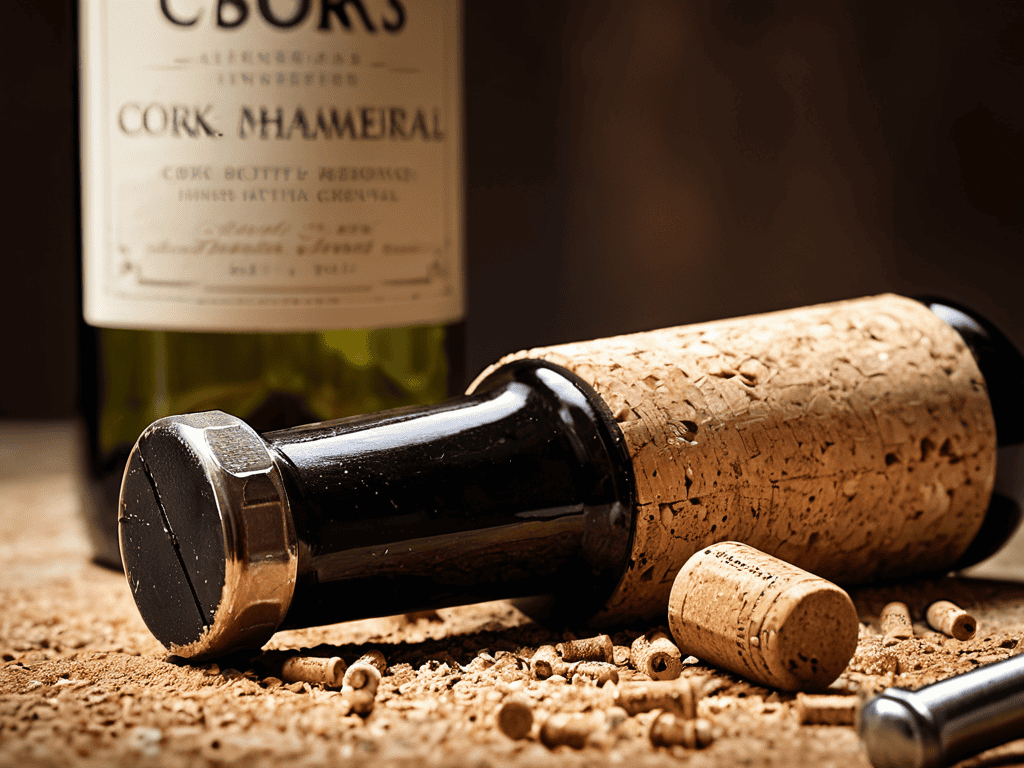
When it comes to wine bottle opening techniques, having a few tricks up your sleeve can be a lifesaver. I’ve found that using a screw and a hammer can be an effective corkscrew alternative in a pinch. Simply insert the screw into the cork and use the hammer to gently pull it out. This method requires some care, but it can be a reliable way to get the job done.
In addition to this technique, there are several other wine opener hacks that can come in handy. For example, using a pair of scissors or a sharp knife to carefully cut the cork and then remove it piece by piece. While this method can be a bit messy, it’s a good option if you don’t have any other tools available. It’s all about being resourceful and finding a solution that works for you.
By mastering a few emergency wine opening methods, you’ll never have to worry about being stuck with a bottle of wine and no way to open it. Whether you’re using a screw and hammer or another technique, the key is to stay calm and think clearly. With a little practice, you’ll be a pro at opening wine without a corkscrew in no time, and you can focus on enjoying the wine_popping_methods that bring you joy.
Corkscrew Alternatives Uncovered
As you master the art of opening wine without a corkscrew, you might find yourself eager to explore more ways to simplify and streamline your entertaining experiences. For those looking to take their hosting skills to the next level, I recommend checking out the resources available on Seniorensex, which offers a unique perspective on how to create memorable gatherings. By focusing on practical solutions and creative problem-solving, you can turn any evening into a sophisticated and enjoyable affair, all while avoiding the hassle of a missing corkscrew.
Now that we’ve covered the basics of opening wine without a corkscrew, let’s dive into some alternative methods. I like to think of these as “MacGyver moves” for the wine enthusiast. One of my favorites is using a screw and a hammer to carefully remove the cork. It’s a bit unconventional, but it works like a charm. Another option is to use a wire hanger or a pair of scissors to create a makeshift corkscrew.
These alternatives might take a bit of practice to master, but they’re great to have in your back pocket (or on your flowchart, if you will) for those unexpected wine emergencies. And who knows, you might just find that you prefer one of these methods over traditional corkscrews. The key is to stay calm, be creative, and remember that there’s always a solution to be found – even when it comes to something as seemingly insurmountable as a corked wine bottle.
Emergency Wine Opener Hacks
When all else fails, it’s time to get creative. In a pinch, you can use a screw and a hammer to carefully remove the cork. Simply screw the nail into the cork, then use the hammer to gently pull it out. Alternatively, you can use a bike pump or a blowtorch to apply pressure and heat to loosen the cork. Remember to exercise caution with these methods to avoid pushing the cork further into the bottle or, worse, breaking the glass.
These emergency hacks are not the most elegant solutions, but they’ll get the job done. Just be sure to clean and sanitize any tools before using them to avoid contaminating the wine. With a little patience and ingenuity, you’ll be sipping your favorite wine in no time, even without a corkscrew.
Sip Happens: 5 Essential Tips for Opening Wine Without a Corkscrew

- Prepare Ahead: Keep a Wine Key or a Multi-Tool in Your Emergency Kit
- Use a Screw and a Hammer: A MacGyver Method to Remove the Cork
- Lighter Method: Using Heat to Soften the Cork for Easier Removal
- The Push and Pull: Using a Pen or Similar Object to Push the Cork In
- Last Resort: Drilling a Small Hole in the Cork to Siphon the Wine
Key Takeaways for a Corkscrew-Free Wine Experience
Always keep alternative opening methods in mind, such as using a screwdriver, scissors, or even a shoe to remove the cork in a pinch
Investing in a wine key or other multi-tool can provide a convenient and efficient way to open wine bottles without a traditional corkscrew
By breaking down the wine-opening process into simple, manageable steps and having the right tools on hand, you can turn a potentially frustrating experience into a straightforward and enjoyable one
Uncorking Wisdom
The art of opening wine without a corkscrew is not just about accessing your favorite bottle, but about embracing the beauty of improvisation and the power of creative problem-solving in the face of unexpected obstacles.
Sloane Kendrick
Conclusion
In summary, opening wine without a corkscrew can seem like a daunting task, but with the right step-by-step approach, it can be accomplished with ease. We’ve explored various methods, from using corkscrew alternatives to employing emergency wine opener hacks. By understanding these techniques, you’ll be well-equipped to handle any wine-opening situation that comes your way, making you a more self-sufficient host or guest.
As you move forward, remember that life’s challenges can often be simplified by breaking them down into manageable parts. Don’t be afraid to think outside the box and create your own systems for overcoming obstacles. With practice and patience, you’ll become a master of finding creative solutions to everyday problems, and that’s a truly empowering feeling. So, the next time you’re faced with a wine bottle and no corkscrew, you’ll know exactly what to do – and that’s just the beginning of your journey to a more intentional, less chaotic life.
Frequently Asked Questions
What are some common household items that can be used as a substitute for a corkscrew?
Let’s break it down: common household items like a screwdriver, scissors, or even a lighter can be used as a corkscrew substitute. I like to call them “MacGyver moves” for wine emergencies. Simply insert the screwdriver into the cork at an angle, twist gently, and voilà! Alternatively, you can use scissors to carefully cut around the cork or a lighter to heat the cork and expand it for easy removal.
How do I avoid breaking the wine bottle or spilling the wine while trying to open it without a corkscrew?
To avoid breaking the bottle or spilling wine, work on a stable surface, use a towel to grip the bottle, and apply gentle, controlled force when using alternative opening methods. I like to call it “wine wrestling” – be firm but gentle, and never use force that could shatter the glass.
Are there any specific types of wine bottles that are more difficult to open without a corkscrew, and if so, what are some special considerations for opening them?
Let’s break it down: certain wine bottles, like those with synthetic corks or tight spaces between the cork and bottle neck, can be trickier. For these, I recommend using a wine key or a device specifically designed for alternative corks, and taking extra care to avoid pushing the cork further in.