I still remember the day I decided to learn urban beekeeping – it was a chaotic mess of YouTube tutorials, scattered notes, and trial by error. But as I delved deeper into the world of bees, I realized that learning any new skill doesn’t have to be overwhelming. In fact, I’ve found that the key to mastering a new skill lies in breaking it down into manageable chunks, creating a step-by-step plan that works for you. This is exactly what I’ll be sharing with you in this guide on how to learn any skill.
As you read through this article, I promise to give you practical, no-nonsense advice on how to navigate the complexities of learning a new skill. You won’t find any fluffy motivational speeches or generic tips here – just honest, tried-and-tested strategies that have worked for me and my clients. I’ll show you how to create a personalized learning plan, set achievable goals, and track your progress along the way. By the end of this guide, you’ll have a clear roadmap for mastering any skill you desire, and the confidence to tackle even the most daunting challenges.
Table of Contents
Guide Overview: What You'll Need

Total Time: varies depending on skill complexity, but allocate at least 1 hour 30 minutes per day
Estimated Cost: little to no cost, as most skills can be learned with free online resources, $0 – $100
Difficulty Level: Intermediate / Hard, as it requires dedication and persistence
Tools Required
- Computer with internet access
- Notebook for note-taking and tracking progress
- Timer to help stay focused
Supplies & Materials
- Pens and Pencils for writing and drawing
- Paper for printing or writing notes
- Headphones optional, for online tutorials or video lessons
Step-by-Step Instructions
- 1. First, let’s break down the skill you want to learn into smaller, manageable parts. This means identifying the key components, tools, or techniques involved in mastering that skill. For example, if you want to learn how to play the guitar, your smaller parts might include learning chords, practicing strumming, and understanding music theory. Grab a piece of paper or open a note-taking app, and start listing out these components – it’s time to get organized and focused.
- 2. Next, set specific goals for what you want to achieve with your new skill. This could be as simple as dedicating 15 minutes a day to practice or as complex as planning to perform a specific piece within a certain timeframe. The key here is to make your goals measurable and achievable, allowing you to track your progress and stay motivated. Write down your goals and place them somewhere visible to remind yourself of what you’re working towards.
- 3. Now, it’s time to gather resources. This might include buying a book, finding online tutorials, or even hiring a tutor. The resources you choose should align with your learning style and the specific aspects of the skill you’re trying to master. For instance, if you’re a visual learner, look for video tutorials or infographics that can help illustrate key concepts. Make a list of the resources you’ve found and categorize them based on their relevance and usefulness.
- 4. With your resources in hand, create a schedule that outlines when and how you will practice your new skill. Consistency is key when it comes to learning, so try to allocate a specific time slot each day or week that you can dedicate to practice. Be realistic about how much time you can commit, and don’t be too hard on yourself if you miss a day or two – the goal is to make progress, not to create unnecessary stress.
- 5. As you start practicing, it’s essential to track your progress. This could be as simple as keeping a practice journal where you note what you’ve worked on, what challenges you’ve faced, and what successes you’ve had. Tracking your progress helps you identify areas where you need more practice and allows you to see how far you’ve come, which can be a powerful motivator. Consider using a habit tracker or a spreadsheet to make this process easier and more visual.
- 6. Seek feedback from others, whether it’s a tutor, a colleague, or even a community of people learning the same skill. Feedback can provide valuable insights into areas you might be overlooking and can help you refine your technique. Don’t be afraid to ask for help or advice – it’s a normal part of the learning process, and it can significantly accelerate your progress.
- 7. Finally, review and adjust your approach as needed. Learning a new skill is a dynamic process, and what works for you one week might not work the next. Regularly take time to reflect on your method, your goals, and your progress. Ask yourself if there are more efficient ways to learn, if your goals need adjusting, or if you’ve overlooked any crucial aspects of the skill. This reflective process will help you stay on track and ensure that you’re always moving closer to your goals.
Mastering Any Skill
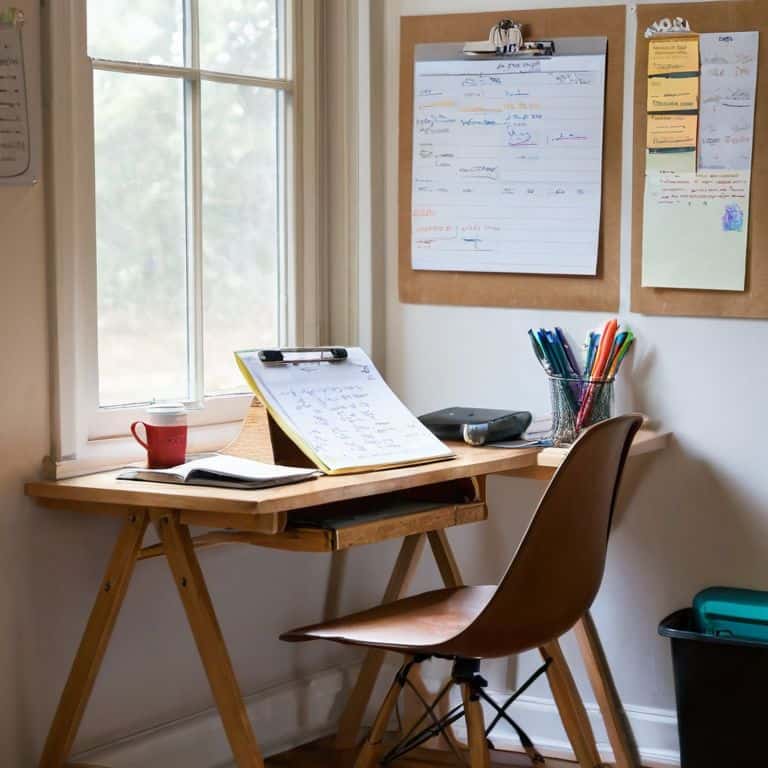
As you dive into the process of mastering any skill, it’s essential to focus on effective practice routines. This means setting aside dedicated time each day to practice, even if it’s just for a few minutes. I like to use a whiteboard to create a schedule and stick to it, making sure to include breaks and time for review. By doing so, you’ll be able to track your progress and make adjustments as needed.
Another crucial aspect of skill acquisition is overcoming learning obstacles. We all encounter setbacks and frustrations, but it’s how we respond that matters. Rather than getting discouraged, try to identify the root cause of the issue and break it down into smaller, more manageable parts. This is where accelerated learning techniques can come in handy, helping you to stay focused and motivated.
To take your learning to the next level, consider exploring personalized learning approaches. This might involve seeking out a mentor, joining a community of like-minded individuals, or using online resources to supplement your learning. By finding a approach that works for you, you’ll be able to stay engaged and motivated, ultimately achieving your goals more efficiently.
Accelerated Learning Techniques
To accelerate your learning, let’s dive into some powerful techniques. I’m a big fan of the Pomodoro Technique – work in focused 25-minute increments, followed by a 5-minute break. This helps you stay on track and avoid burnout. Another technique I swear by is active recall: instead of just passively reading or watching, try to recall key concepts from memory. Quiz yourself or create flashcards to reinforce your learning.
By incorporating these techniques into your step-by-step plan, you’ll be amazed at how quickly you can pick up new skills. Remember, the key is to be consistent and make adjustments as needed. Don’t be afraid to try new approaches until you find what works best for you. With persistence and the right strategies, you’ll be well on your way to mastering any skill.
Overcoming Obstacles With Practice Routines
To overcome obstacles and make consistent progress, I recommend establishing a practice routine that works for you. This might mean dedicating 15 minutes each day to focused practice or setting aside one hour on the weekends for in-depth review. The key is to create a schedule that you can realistically stick to, even on chaotic days.
I like to use a simple flowchart to map out my practice routine and identify potential roadblocks. By visualizing my schedule and commitments, I can anticipate challenges and make adjustments as needed. For example, if I know I have a busy week ahead, I might break my practice sessions into shorter, more manageable chunks to ensure I stay on track.
5 Essential Tips to Supercharge Your Skill-Learning Journey
- Ditch the perfectionism: it’s okay to start small and make mistakes – that’s where the real learning happens
- Break down the skill into tiny, manageable chunks, and create a schedule that works for you, not against you
- Find your why: understanding the purpose behind your learning helps to stay motivated, even when the going gets tough
- Get hands-on: practical experience is key to mastering any skill, so don’t be afraid to get out there and start experimenting
- Review and adjust: regularly take a step back to assess your progress, and be willing to pivot your approach if something isn’t working – it’s all part of the process
Key Takeaways for Mastering Any Skill
Break down complex skills into manageable, bite-sized chunks to avoid feeling overwhelmed and to make consistent progress
Implement accelerated learning techniques, such as spaced repetition and active recall, to enhance retention and understanding of new information
Develop a practice routine that incorporates regular review and reflection to overcome obstacles, build momentum, and achieve mastery of the desired skill
Embracing the Learning Journey
The most powerful thing I’ve learned about learning any skill is that it’s not about being perfect, it’s about being consistent – showing up every day, even when it feels like a tiny step, because those tiny steps are what add up to profound progress over time.
Sloane Kendrick
Embracing the Journey to Mastery

As we’ve explored the world of learning any skill, it’s clear that the journey is just as important as the destination. We’ve covered the step-by-step framework for mastering any skill, from breaking down complex tasks into manageable chunks to creating practice routines that help overcome obstacles. By incorporating accelerated learning techniques and staying committed to our goals, we can achieve remarkable progress and develop a sense of pride and accomplishment in our abilities.
So, as you embark on your own journey to learn any skill, remember that it’s okay to start small and that consistent effort is key. Don’t be afraid to map out your progress and adjust your approach as needed. With patience, persistence, and the right mindset, you can unlock your full potential and achieve greatness in any area you choose to pursue.
Frequently Asked Questions
How do I determine the most effective learning resources for the skill I want to acquire?
To find the most effective learning resources, I recommend making a list of your top 3-5 goals for acquiring the skill, then researching reviews and ratings of different resources, such as online courses, books, or tutorials, to see which ones align best with your objectives.
What if I'm not sure what skill I want to learn, are there any exercises to help me discover my interests?
No worries, friend. I’ve got a simple exercise for you: take 10 minutes to brainstorm a list of activities that genuinely intrigue you, no matter how unrelated they seem. Then, group similar ones together and see if any patterns emerge. This can help you identify potential skills to explore.
Can I really learn any skill in a short amount of time, or are some skills better suited for long-term study?
Absolutely, you can learn many skills quickly, but it depends on the skill’s complexity and your starting point. I’ve found that skills like language basics or coding fundamentals can be picked up rapidly with focused practice, whereas mastery of something like surgery or advanced physics often requires long-term dedication and hands-on experience.