
I still remember the time I traveled from New York to Tokyo for a conference, only to find myself feeling like a zombie for the entire duration. The jet lag remedies I had tried before, from melatonin supplements to “wake-up” lights, seemed to have little effect. It wasn’t until I delved into the science behind our internal clocks that I discovered the truth: most remedies are nothing more than quick fixes that don’t address the root issue. The key to beating jet lag lies in understanding how our bodies respond to changes in our environment, and making targeted adjustments to sync our internal clocks with our destination’s local time.
In this article, I’ll share with you the evidence-based strategies I’ve learned through my research and personal experience, which have helped me and countless others overcome the debilitating effects of jet lag. You’ll learn how to prepare your body for the time change, what to do during the flight to minimize disruption, and how to adjust your routine once you arrive at your destination. My goal is to provide you with practical, actionable advice that cuts through the noise of pseudoscience and marketing fluff, and helps you take control of your travel experience. By the end of this guide, you’ll be equipped with the knowledge and tools you need to make jet lag remedies a thing of the past.
Table of Contents
Guide Overview: What You'll Need

Total Time: varies depending on travel distance and individual adjustment
Estimated Cost: $10 – $50
Difficulty Level: Easy
Tools Required
- Alarm Clock to help regulate sleep schedule
Supplies & Materials
- Melatonin Supplements follow package instructions for dosage
- Hydration Pack to stay hydrated during travel
- Eye Mask to improve sleep quality
- Herbal Teas such as chamomile or peppermint to aid in relaxation
Step-by-Step Instructions
- 1. First, let’s talk about the importance of understanding your body’s internal clock. To beat jet lag, you need to know how your body’s circadian rhythms work. See, our bodies have an internal clock that’s regulated by a tiny part of the brain called the suprachiasmatic nucleus (SCN). This internal clock is influenced by exposure to light and darkness, which is why it’s so easily thrown off when we travel across time zones. As someone who’s spent years studying the effects of chronic stress on the brain, I can tell you that getting in sync with local time is crucial for reducing jet lag symptoms.
- 2. Next, you’ll want to start preparing your body for the time change before you even leave. This means adjusting your sleep schedule a few days before your trip to match your destination’s time zone. For example, if you’re traveling from New York to London, you’ll want to start going to bed a bit earlier each night to account for the 5-hour time difference. Don’t worry if you can’t fully adjust your schedule – even a few hours of adjustment can make a big difference. I’ve found that gradual adjustments are key to minimizing jet lag symptoms.
- 3. Now, let’s talk about the role of light exposure in regulating our internal clock. When you arrive at your destination, get outside and get some natural light as soon as possible. This will help your body start to adjust to the new time zone. If it’s nighttime when you arrive, try to avoid bright lights and electronics for a few hours before bedtime to help your body produce melatonin, the sleep hormone. I’ve found that morning light exposure is particularly effective for regulating the internal clock.
- 4. Another important factor in beating jet lag is staying hydrated. Dehydration can exacerbate jet lag symptoms like fatigue and headaches, so make sure to drink plenty of water throughout your flight and after you arrive. Avoid caffeinated and carbonated drinks, which can have the opposite effect. As someone who’s passionate about trail running, I can tell you that staying hydrated is essential for both physical and mental performance.
- 5. In addition to staying hydrated, you’ll also want to avoid heavy meals during your flight and for a few hours after you arrive. Eating a big meal can make you feel sluggish and disoriented, which can worsen jet lag symptoms. Instead, opt for light snacks and meals that are easy to digest. I’ve found that eating small, frequent meals can help regulate your energy levels and reduce jet lag symptoms.
- 6. Now, let’s talk about the role of melatonin in regulating our sleep-wake cycles. While some people swear by taking melatonin supplements to help with jet lag, the evidence is mixed at best. Instead, I recommend focusing on establishing a consistent sleep schedule and creating a relaxing bedtime routine to help your body produce melatonin naturally. This can include activities like reading a book, taking a warm bath, or practicing gentle stretches.
- 7. Finally, be patient with yourself and don’t expect to bounce back immediately. It can take a few days for your body to fully adjust to the new time zone, so don’t get discouraged if you’re feeling a bit off at first. With time and a bit of effort, you can reset your internal clock and start feeling like yourself again. As someone who’s experienced burnout firsthand, I can tell you that listening to your body and taking care of yourself is essential for managing jet lag symptoms.
Debunking Jet Lag Remedies
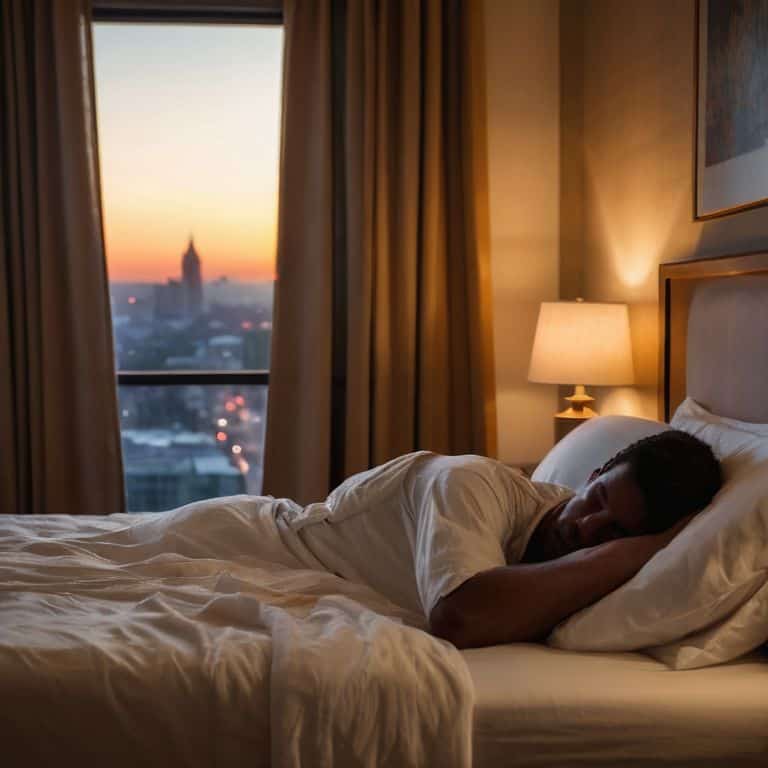
As I delve into the world of natural sleep aids for travelers, I’m often surprised by the plethora of unproven remedies touted as cure-alls. One such example is the use of melatonin supplements, which, while effective in certain contexts, are not a one-size-fits-all solution for jet lag recovery. In fact, research suggests that melatonin’s efficacy is highly dependent on the individual’s specific sleep schedule and time zone adjustment strategies.
When it comes to overcoming fatigue after travel, it’s essential to separate fact from fiction. Many so-called experts recommend using essential oils or other unproven methods to alleviate jet lag symptoms. However, as someone who’s skeptical of pseudoscience, I can assure you that these methods are little more than placebos. Instead, focus on evidence-based techniques like pre flight relaxation methods, such as meditation or deep breathing exercises, to help regulate your body’s internal clock.
To truly adjust your sleep schedule and recover from jet lag, it’s crucial to understand the underlying science. By syncing your body’s internal clock with your destination’s local time, you can minimize the effects of jet lag and reduce fatigue. This can be achieved through a combination of light exposure, meal timing, and physical activity, all of which can help regulate your body’s natural rhythms and promote a smooth transition to your new time zone.
Natural Sleep Aids for Travelers
When it comes to natural sleep aids, I’ve seen many travelers swear by melatonin supplements. However, the science is more nuanced. While melatonin can be effective in certain cases, its efficacy for jet lag is largely anecdotal. In fact, studies have shown that melatonin’s effects on sleep quality are often overstated, and it can even have unintended consequences like daytime drowsiness. As someone who’s spent years studying the intricacies of sleep and wakefulness, I recommend a more targeted approach: exposure to natural light, a consistent sleep schedule, and a relaxing bedtime routine.
For those seeking a natural sleep aid, I suggest exploring the benefits of valerian root or magnesium instead. Both have been shown to promote relaxation and improve sleep quality, albeit with more modest effects than many commercial supplements claim.
Time Zone Adjustment Strategies
When it comes to adjusting to a new time zone, I’ve seen many travelers rely on ambiguous advice. The truth is, our bodies follow a natural circadian rhythm, and sudden changes can throw this off. To effectively adjust, it’s crucial to expose yourself to natural light at the right times. For example, if you’re traveling east, try to get some morning sunlight to help your body clock shift forward. Conversely, if you’re heading west, afternoon sunlight can help delay your sleep-wake cycle. By doing so, you’ll be giving your body the cues it needs to adapt to the new time zone more efficiently.
Research has shown that this approach can significantly reduce the symptoms of jet lag. I recall a study published in the journal Sleep, which found that exposure to natural light can help regulate the body’s internal clock. By combining this strategy with a consistent sleep schedule and a healthy lifestyle, you’ll be well on your way to beating jet lag.
Evidence-Based Jet Lag Remedies to Reset Your Clock
- Stick to a pre-flight routine that involves gradual adjustment of your sleep schedule to minimize shock to your system
- Upon arrival, expose yourself to natural sunlight to regulate your circadian rhythms, as studies show this helps synchronize your internal clock with local time
- Stay hydrated by drinking plenty of water throughout your flight and avoid alcohol and caffeine, which can exacerbate dehydration and disrupt sleep patterns
- Consider taking a melatonin supplement under the guidance of a healthcare professional, as research suggests it can help with sleep onset and duration in cases of jet lag
- Implement a post-flight routine that includes light physical activity, such as a short walk, to help your body adjust to the new time zone and reduce the effects of jet lag
Evidence-Based Jet Lag Remedies: Key Takeaways
Prioritize syncing your body’s internal clock with your destination’s local time to minimize jet lag, using strategies like light exposure and meal timing
Be wary of unproven remedies and focus on evidence-based approaches, such as melatonin regulation and sleep schedule adjustment, to effectively manage jet lag
Combine time zone adjustment strategies with healthy habits like regular exercise, a balanced diet, and stress management to optimize your body’s resilience to jet lag and reduce recovery time
Cutting Through the Noise
The most effective jet lag remedies aren’t about gimmicks or quick fixes, but about synchronizing your body’s internal rhythms with the external world – it’s a harmony of science and self-awareness, not a battle against our natural clocks.
Dr. Alistair Finch
Beyond the Hype: Taking Control of Jet Lag
As we’ve explored the world of jet lag remedies, it’s clear that separating fact from fiction is crucial. We’ve debunked popular myths, discussed the importance of evidence-based strategies, and examined time zone adjustment techniques that actually work. By focusing on syncing our internal clocks with local time and using proven methods to alleviate fatigue, we can take the first steps towards taming the jet lag beast. Remember, it’s all about making informed choices that are grounded in science, rather than relying on unproven remedies or quick fixes.
As you prepare for your next long-haul flight, I encourage you to embrace a critical thinking approach to jet lag remedies. Don’t be swayed by marketing hype or anecdotal evidence – instead, opt for time-tested strategies that are backed by scientific research. By doing so, you’ll not only improve your chances of arriving at your destination feeling refreshed and alert, but you’ll also be joining a community of individuals who value evidence-based wellness and are committed to taking control of their health. So go ahead, take a deep breath, and get ready to soar into your next adventure with confidence and clarity.
Frequently Asked Questions
How can I adjust my sleep schedule before a long-haul flight to minimize jet lag?
To adjust your sleep schedule before a long-haul flight, try going to bed earlier or later by 1-2 hours each night, depending on your destination’s time zone. This gradual shift helps your body’s internal clock sync up, reducing the shock of a sudden time change. I’ve seen this strategy work wonders in my own trail running trips across continents.
Are there any specific foods or diets that can help alleviate jet lag symptoms?
While there’s no single ‘jet lag diet,’ some foods can help. I recommend focusing on those rich in melatonin, like cherries, and omega-3 fatty acids, found in fatty fish, to support your body’s natural rhythms. Avoid heavy meals close to bedtime and opt for light, balanced meals to reduce discomfort during travel.
Can taking melatonin supplements really help regulate my sleep patterns when crossing multiple time zones?
While melatonin supplements can help with sleep regulation, their effectiveness for jet lag is often overstated. Research suggests that melatonin can aid in falling asleep, but it doesn’t necessarily help your body adjust to a new time zone. I’ll break down the science behind it, so you can make an informed decision.