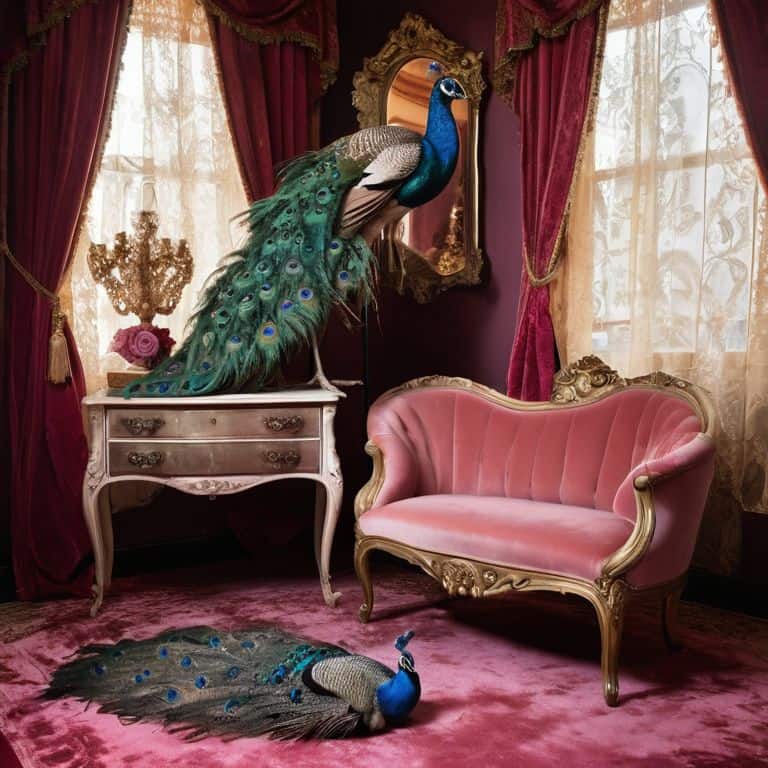
I still remember the first time I stumbled upon a John Waters film – it was like entering a surreal world where the lines between good taste and bad were blissfully blurred. This was my introduction to the wonderfully weird realm of camp aesthetic, a sensibility that has fascinated me ever since. But when I try to explain what is camp aesthetic to others, I’m often met with confused looks or overly complicated theories. It’s as if the essence of camp has been lost in a sea of pretentious analysis, forgetting that at its core, camp is about embracing the tacky, the ironic, and the unapologetically extra.
As someone who’s spent years exploring the intersection of culture and media, I’m here to cut through the noise and offer a no-nonsense guide to understanding camp aesthetic. In this article, I’ll share my personal insights and experiences, from curating my obscure film club to exploring the city’s forgotten landmarks, to provide a fresh perspective on what is camp aesthetic. I’ll delve into the emotional impact of camp, exploring how it reflects our deepest anxieties and desires, and why it remains a vital part of our pop culture landscape. So, if you’re ready to embark on a journey that’s equal parts witty, intellectual, and unapologetically honest, then let’s dive into the wonderfully weird world of camp together.
Table of Contents
Camp Aesthetic Explained
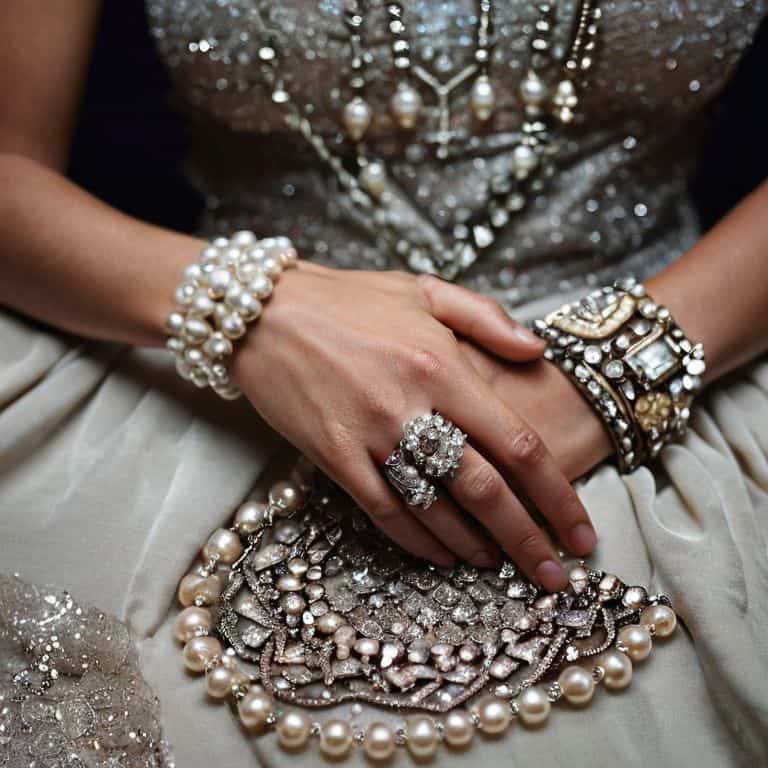
As I delve into the camp aesthetic movement, I’m reminded of the iconic figures who embodied its spirit – think of the inimitable style of David Bowie or the unapologetic flair of Lady Gaga. This sensibility is all about embracing the tension between high and low culture, where the refined and the kitschy coexist in a beautiful, messy harmony. The camp fashion movement, in particular, has been a powerful force in shaping our understanding of identity, self-expression, and the performative nature of style.
Theories of camp aesthetics often touch on the concept of aestheticism and camp, highlighting the ways in which camp subverts traditional notions of beauty and taste. By celebrating the artifice and extravagance of camp, we’re able to challenge dominant cultural norms and create new spaces for creativity and self-expression. This is evident in the work of artists like Andy Warhol, who used camp as a means of commenting on the banality and superficiality of modern life.
In the context of postmodern camp culture, we see a blurring of boundaries between high and low art, as well as a playful subversion of traditional genre conventions. The camp sensibility in literature, for example, can be seen in the works of authors like Oscar Wilde, who used humor and irony to critique the social norms of his time. By examining these different facets of camp, we can gain a deeper understanding of its influence on art and culture, and how it continues to shape our perceptions of identity, beauty, and creativity.
Aestheticism and Camp Movement
As I delve into the realm of camp aesthetic, I find myself entwined in a world where aestheticism reigns supreme. The movement, which emerged in the late 19th century, emphasized the importance of beauty and form over moral or social concerns. This philosophy paved the way for the camp movement, where the lines between high and low art are blissfully blurred.
The camp movement’s flamboyant excess is a deliberate nod to the aestheticism of yesteryear, embracing the artificial and the dramatic with unapologetic fervor. By doing so, it challenges traditional notions of taste and sophistication, inviting us to reexamine our relationship with the beautiful and the banal.
Theories of Camp Aesthetics
As I delve into the realm of camp aesthetics, I find myself drawn to the theoretical frameworks that attempt to explain its allure. One such theory suggests that camp is a form of social commentary, using irony and humor to critique societal norms. This perspective resonates with me, as it highlights the ways in which camp aesthetics can be both a reflection of and a rebellion against mainstream culture.
In examining the cultural significance of camp, I’m struck by its ability to subvert traditional notions of taste and sophistication. By embracing the kitsch and the bizarre, camp aesthetics creates a space for creative expression and experimentation, one that is unapologetically playful and irreverent.
What Is Camp Aesthetic
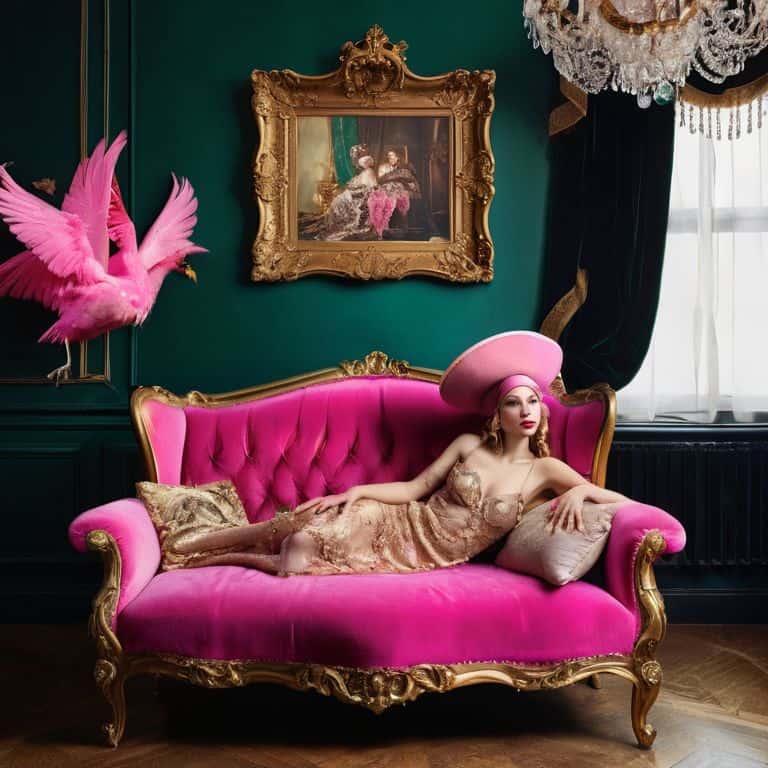
As I delve into the camp fashion movement, I’m reminded of the eclectic mix of high and low culture that defines this sensibility. It’s a world where tacky and chic coexist, where the boundaries between good and bad taste are blissfully blurred. The aestheticism and camp movement, which emerged in the 19th century, laid the groundwork for this irreverent approach to art and fashion. By embracing the artificial and the extravagant, camp aesthetics challenges traditional notions of beauty and sophistication.
The camp influence on art is a fascinating topic, as it reveals the ways in which this sensibility can subvert and reimagine cultural norms. From the playful irreverence of Warhol’s silkscreens to the outrageous spectacle of drag culture, camp aesthetics has inspired a wide range of artistic expressions. By celebrating the postmodern camp culture, we can gain a deeper understanding of the ways in which art reflects and shapes our perceptions of identity, community, and social hierarchy.
In exploring the theories of camp aesthetics, I’m struck by the ways in which this concept can be both a source of creative inspiration and a tool for social commentary. The camp sensibility in literature, for example, can be seen in the works of authors like Oscar Wilde and Truman Capote, who used humor and irony to critique the social conventions of their time. By examining the ways in which camp aesthetics operates in different cultural contexts, we can gain a richer understanding of its power to both reflect and transform our understanding of the world around us.
Camp Sensibility in Fashion and Art
As I delve into the realm of camp sensibility, I’m reminded of the opulent excess that defines this aesthetic. In fashion, camp is all about embracing the extravagant, the flamboyant, and the unapologetically bold. Think of designers like Jean Paul Gaultier or Alexander McQueen, who have consistently pushed the boundaries of style with their daring, unconventional designs.
Camp’s influence can also be seen in the art world, where playful irony reigns supreme. Artists like Andy Warhol and Jeff Koons have mastered the art of blending high and low culture, creating works that are both humorous and thought-provoking. Their use of camp sensibility challenges our perceptions and forces us to reevaluate our understanding of what is considered “good” taste.
Postmodern Camp Culture Influence
As we delve into the realm of postmodern camp culture, it’s fascinating to observe how camp aesthetic has influenced our perception of irony and kitsch. The lines between high and low culture have become increasingly blurred, allowing for a more fluid exchange of ideas and sensibilities. This, in turn, has given rise to a new wave of artists and creators who proudly wear their camp sensibilities on their sleeves.
The impact of camp culture can be seen in the way it subverts traditional norms, challenging our expectations and forcing us to reevaluate our relationship with popular culture. By embracing the tacky, the gaudy, and the over-the-top, camp culture has become a powerful tool for social commentary, allowing us to laugh at ourselves and the absurdities of modern life.
Unpacking the Camp Aesthetic: 5 Key Tips to Understanding its Glamorous Chaos
- Embrace the intentional kitsch: Camp aesthetic thrives on a deliberate sense of tackiness and irony, often blurring the lines between high and low culture
- Look for the subversion of norms: Camp often involves a playful challenging of societal norms, particularly in the realms of gender, sexuality, and identity
- Recognize the influence of queer culture: The camp aesthetic has deep roots in LGBTQ+ culture and history, with many of its most iconic figures and works emerging from this community
- Understand the role of nostalgia: Camp frequently incorporates elements of nostalgia, reappropriating and recontextualizing retro styles, themes, and references in a humorous or ironic way
- Appreciate the performative aspect: Camp is not just about visual style, but also about performance and attitude – think over-the-top drama, witty one-liners, and a healthy dose of sarcasm and humor
Key Takeaways: Unpacking the Camp Aesthetic
Camp aesthetic is more than just a kitschy, ironic sensibility – it’s a cultural phenomenon that reveals our collective fascination with the artificial, the exaggerated, and the unapologetically extra, often serving as a commentary on the societal norms and power structures of its time.
Through its evolution, camp aesthetic has influenced a wide range of cultural expressions, from fashion and art to film and television, showcasing a postmodern penchant for blurring the lines between high and low culture, and challenging traditional notions of taste and beauty.
Ultimately, the camp aesthetic offers a unique lens through which we can examine our deepest anxieties and desires, our ambivalent relationship with consumer culture, and our enduring fascination with the spectacle of identity performance, making it a rich and complex subject for cultural analysis and critique.
Unpacking the Camp Aesthetic: A Cultural Phenomenon
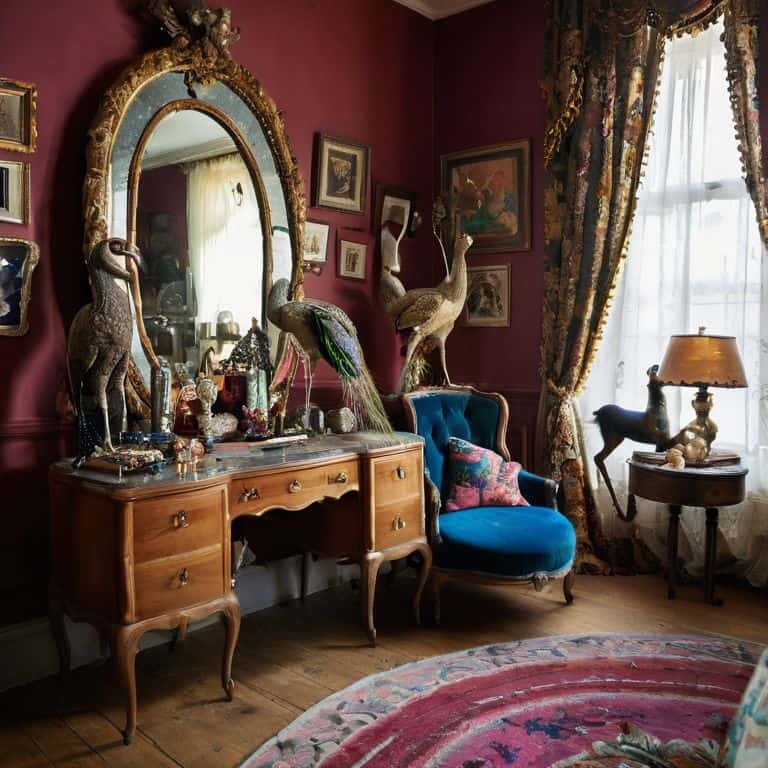
As we’ve delved into the wonderfully weird world of camp aesthetic, it’s become clear that this kitschy, ironic, and utterly fascinating realm reveals more about our collective psyche than we might care to admit. From the theories of camp aesthetics to the influence of postmodern camp culture on fashion and art, we’ve seen how camp sensibility can be both a reflection of our deepest anxieties and a celebration of our most extraordinary sensibilities. By exploring the intersection of aestheticism and camp movement, we’ve gained a deeper understanding of how camp aesthetic operates as a cultural phenomenon.
So, as we conclude our journey into the heart of camp aesthetic, let’s remember that it’s not just about B-movies, drag culture, and John Waters – it’s about the human desire for connection and self-expression. By embracing the gloriously tacky, subversively chic, and unapologetically extra sensibility of camp aesthetic, we can gain a deeper understanding of ourselves and the world around us, and perhaps, just perhaps, find a way to reclaim our sense of wonder and awe in the process.
Frequently Asked Questions
How does camp aesthetic intersect with other cultural movements, such as punk or surrealism, to create new forms of artistic expression?
The intersection of camp aesthetic with punk’s anti-establishment ethos and surrealism’s dreamlike quality gives birth to fascinating hybrids, like the avant-garde fashion of Vivienne Westwood or the subversive cinema of John Waters, where irony, kitsch, and social commentary converge in a deliciously chaotic dance.
In what ways can camp aesthetic be seen as a form of social commentary, particularly in regards to issues like identity, power, and consumerism?
Camp aesthetic cleverly disguises social commentary, tackling identity, power, and consumerism with tongue-in-cheek humor and irony, as seen in the works of John Waters and drag culture, which subvert traditional norms and challenge societal expectations.
Can camp aesthetic be considered a genuinely subversive force in contemporary culture, or does its increasing mainstream acceptance risk neutralizing its radical potential?
While camp’s mainstream embrace may dilute its radical edge, I argue that its subversive potential remains intact, precisely because it continues to disrupt norms and challenge societal expectations, even as it becomes more palatable to the masses.