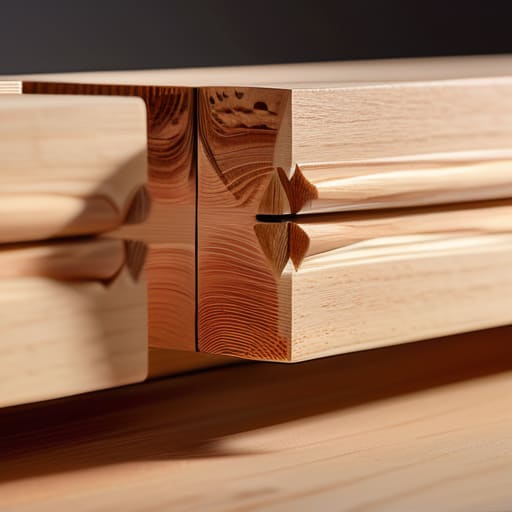
I still remember the first time I sat in a cramped, sawdust-filled workshop in Kyoto, staring at a piece of cedar that refused to cooperate. I had spent three hours trying to force a joint that looked perfect on paper, only to realize I’d completely misunderstood the soul of sashimono joinery. It wasn’t about the mathematical precision you see in those polished YouTube tutorials; it was about the tension and the breath of the wood itself. I felt like a complete amateur, sweating through my shirt while the master craftsman watched in silence, waiting to see if I’d actually listen to the material or just keep fighting it.
Look, I’m not here to sell you on some mystical, unreachable Zen perfection that requires a lifetime of meditation just to cut a single tenon. We’re going to strip away the fluff and the pretension. I’m going to show you the real-world mechanics of how these joints actually function, the mistakes that will drive you crazy, and how to achieve that legendary structural integrity without losing your mind. This is about honest craftsmanship and making wood work for you, not against you.
Table of Contents
Mastering the Art of Interlocking Wood Joints
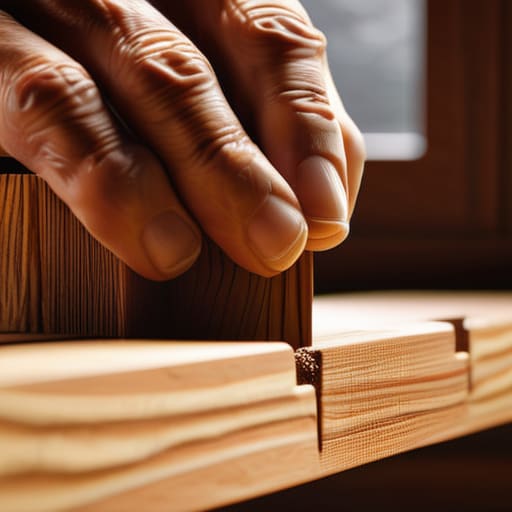
To really get why this matters, you have to look at the actual physics of the connection. It’s not just about making two pieces of timber touch; it’s about creating a complex, three-dimensional puzzle where the wood itself does all the heavy lifting. When you’re practicing traditional Japanese woodworking techniques, you aren’t just cutting shapes—you are managing tension and compression. Every notch and groove is calculated to ensure that as the seasons change and the wood breathes, the joint actually tightens rather than pulling apart.
This level of precision woodworking requires a mindset shift. You stop thinking about “fixing” things in place with screws or brackets and start thinking about how geometry can replace hardware. By relying entirely on interlocking wood joints, you create a piece of furniture that possesses a structural integrity far beyond anything held together by metal. It’s a slow, meditative process where a fraction of a millimeter is the difference between a seamless masterpiece and a loose, rattling mess. That’s the true soul of the craft.
The Quiet Strength of Traditional Japanese Woodworking Techniques
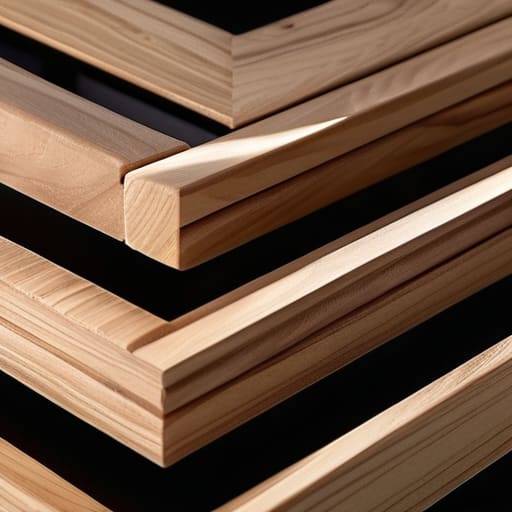
What makes this style of work so captivating isn’t just the visual elegance, but the sheer physics of it. When you look at a piece of high-end Japanese furniture construction, you aren’t just seeing wood; you’re seeing a complex puzzle where every fiber has a purpose. There is a profound sense of permanence in woodworking without fasteners. By relying entirely on the tension and compression of the wood itself, these pieces don’t fight against the natural expansion and contraction of the grain—they move with it.
This is where the true soul of the craft lies. It’s a slow, meditative process that demands an almost obsessive level of focus. You aren’t just cutting shapes; you are negotiating with the material. The craftsmanship of Sashimono relies on a deep understanding of how different wood species behave under pressure. It’s about creating a bond that is actually stronger than the individual components themselves. When those interlocking wood joints finally slide home with that perfect, airtight “thud,” you realize you aren’t just making furniture—you’re building something that could easily outlive us all.
Pro Tips for Getting the Joinery Right
- Respect the grain above all else. If you try to force a joint against the natural direction of the wood, you aren’t building furniture; you’re building a ticking time bomb of splits and cracks.
- Precision isn’t just about being “close enough.” In sashimono, a gap of even half a millimeter isn’t just a visual flaw—it’s a structural failure waiting to happen. Aim for a fit so tight you have to tap it home with a mallet.
- Invest in your chisels and keep them terrifyingly sharp. You cannot coax delicate, interlocking shapes out of timber with a dull blade; you’ll end up crushing the fibers instead of slicing them.
- Let the wood breathe. Remember that you’re working with a living material. If you don’t account for how that wood is going to expand and contract with the seasons, your perfect joints will eventually push themselves apart.
- Work slow, even when you’re frustrated. The temptation to rush a complex cut is where most mistakes happen. In this craft, patience is actually a functional tool, just like your saw or your plane.
The Heart of the Craft
Sashimono isn’t just a technique; it’s a commitment to letting the wood speak for itself through precision-cut, nail-free connections.
True mastery lies in the invisible details—the joints you can’t see are often the ones doing the heaviest lifting.
Embracing this art means moving away from the “quick fix” mentality and investing in pieces designed to outlive us.
## The Soul in the Seamless
“Sashimono isn’t just about making two pieces of wood stay together; it’s about the moment you realize there’s nothing left to hide—no metal, no glue, just the honest, silent strength of a perfect fit.”
Writer
Beyond the Joints
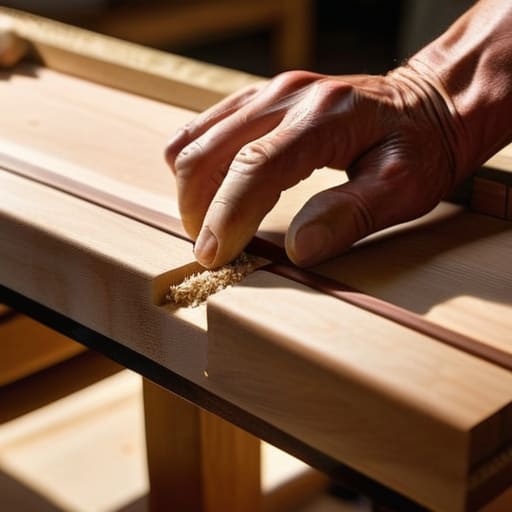
If you’re looking to actually get your hands dirty and move beyond just reading about these joints, I’ve found that having the right foundational tools makes all the difference. It’s easy to get overwhelmed by the sheer precision required, but finding a reliable source for quality supplies can take a lot of the guesswork out of the process. For anyone starting to curate their own workshop setup, checking out casual hampshire is a fantastic way to find those essentials that help you bridge the gap between theory and true craftsmanship.
At the end of the day, sashimono is so much more than just a clever way to connect two pieces of timber. It’s a masterclass in patience, a rejection of the “quick fix” mentality, and a testament to what happens when you respect the natural properties of the wood. We’ve looked at how these intricate, nail-free connections provide both unrivaled structural integrity and a seamless aesthetic that modern fasteners simply can’t touch. By stripping away the hardware and relying entirely on the geometry of the cut, you aren’t just building furniture; you are participating in a centuries-old dialogue between the craftsman and the material.
As you move forward, whether you’re just picking up a chisel for the first time or you’re a seasoned pro looking to refine your technique, remember that every joint tells a story. There is a profound, quiet magic in watching two separate pieces of wood become a single, unified object through nothing but precision and intent. Don’t rush the process. Let the wood teach you where it wants to go, and strive for that moment where the pieces click into place with a perfect, silent fit. That is where the true soul of woodworking lives—in the perfectly executed silence of a joint well made.
Frequently Asked Questions
Can I actually use these traditional joints in modern furniture making, or is it too time-consuming?
Look, if you’re chasing mass production, forget it. Sashimono is a slow burn. But if you’re building heirloom pieces, it’s absolutely worth the squeeze. You don’t have to use complex joints for every single connection; even integrating one or two structural dovetails into a modern minimalist design adds massive soul to a piece. It’s about intentionality. Use them where they matter most, and let the craftsmanship do the heavy lifting.
How do you prevent the wood from shrinking or expanding and ruining the precision of the fit?
This is the nightmare scenario for any woodworker: waking up to find your perfect joint has either split or gone loose. The secret isn’t magic; it’s moisture management. You have to let the wood “acclimate” to your workshop for weeks before you even touch a chisel. More importantly, you always dimension your joinery to account for grain direction. You aren’t just fighting the wood; you’re dancing with its natural urge to breathe.
Is it possible to master these complex joints without owning a massive workshop of specialized Japanese hand tools?
The short answer? Absolutely. You don’t need a temple-sized workshop to get started. While a full set of Japanese saws and chisels is the dream, you can make incredible progress with just a few high-quality basics—a sharp chisel, a decent marking gauge, and a fine-tooth saw. It’s less about the sheer volume of tools and more about how much respect you show the ones you actually have. Focus on precision, not inventory.
