I still remember the day I finally cleared out my grandmother’s attic, only to be left staring at a mountain of what to do with decluttered items. The smell of old trunks and dusty air still lingers in my memory, but what struck me most was the overwhelm that followed. It wasn’t just about getting rid of things; it was about deciding what to keep, what to donate, and what to throw away. The sound of my own doubts and uncertainties still echoes in my mind: “Am I making the right decisions?” or “Is this really worth keeping?” As I navigated this complex process, I realized that breaking it down into manageable steps was the only way to regain control.
As someone who’s been in the trenches, I want to share my no-nonsense approach to tackling the aftermath of decluttering. In this article, I’ll provide you with practical advice on what to do with decluttered items, from creating a flowchart for decision-making to implementing a step-by-step system for organizing your space. My goal is to empower you with the tools and knowledge to make intentional decisions about your belongings, without the guilt or anxiety that often comes with it. By the end of this article, you’ll be equipped with a clear plan to transform your cluttered spaces into peaceful sanctuaries, one item at a time.
Table of Contents
- Taming Decluttered Items
- What to Do With Decluttered Items
- Responsible Disposal of Hazardous Waste and Garage Sales
- Upcycling Ideas for Old Clothes and Electronics
- From Chaos to Control: 5 Essential Tips for Managing Decluttered Items
- Key Takeaways for a Clutter-Free Life
- A Word of Wisdom
- From Clutter to Clarity: A New Beginning
- Frequently Asked Questions
Taming Decluttered Items
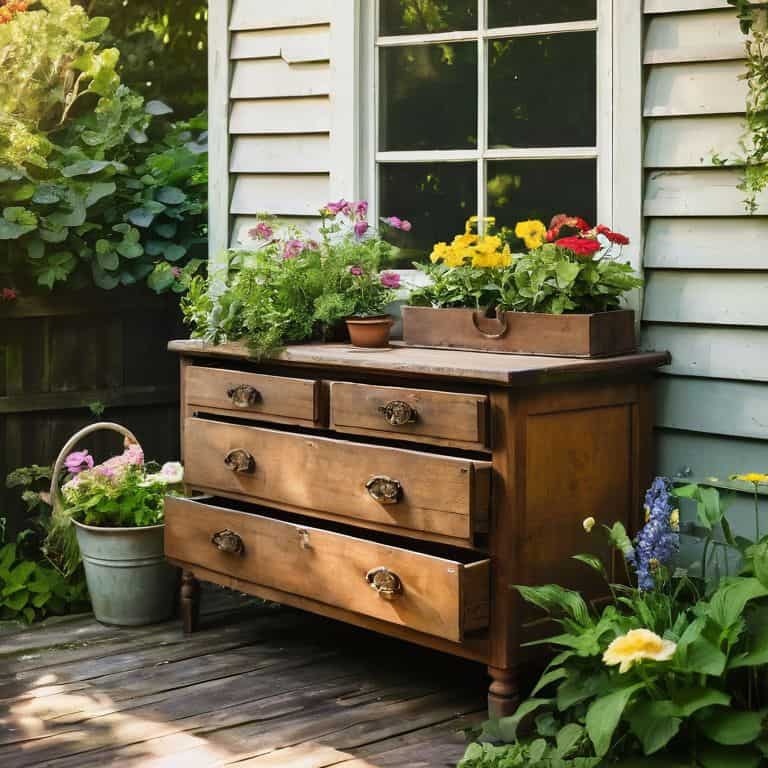
As I always say, taming the chaos is all about creating systems that work for you, not against you. When it comes to decluttered items, it’s essential to consider creative ways to reuse old furniture. You can breathe new life into an old dresser by upcycling it into a unique planter or bench. Not only will this reduce waste, but it’ll also add a personal touch to your home.
Donating to local charities is another great way to give your decluttered items a second chance. The benefits of donating go beyond just decluttering your space; you’ll also be supporting your community and helping those in need. Plus, you can claim a tax deduction for your donations, which is a nice bonus. When donating, make sure to research the charity beforehand to ensure your items are going to a good cause.
When it comes to electronics, it’s crucial to consider the environmental impact of recycling. Many electronics contain hazardous materials that can harm the environment if not disposed of properly. Look for local e-waste recycling programs or responsible disposal services to ensure your electronics are recycled safely. By taking the time to properly dispose of your decluttered items, you’ll be doing your part for the planet and creating a more organized, clutter-free life.
5 Creative Ways to Reuse Old Furniture
When it comes to reusing old furniture, I always say that a little creativity can go a long way. You can breathe new life into an old piece by repurposing it as something entirely different. For instance, an old door can become a unique coffee table or a headboard for your bed.
Some of my favorite reuse projects involve turning old furniture into functional art, like transforming an old ladder into a bookshelf or using an old pallet as a potting bench. These types of projects not only reduce waste but also add a personal touch to your home decor.
Benefits of Donating to Local Charities
When considering what to do with your decluttered items, donating to local charities is an option that not only helps others but also provides you with a sense of community involvement. By giving to those in need, you’re contributing to the well-being of your neighborhood and fostering a stronger sense of social connection. This, in turn, can lead to a more fulfilling experience as you witness the positive impact of your donations.
Donating to local charities also offers practical benefits, such as tax deductions for your donated items, which can be a welcome bonus during tax season. Additionally, many charities will even pick up your donations, making the process incredibly convenient and hassle-free.
What to Do With Decluttered Items
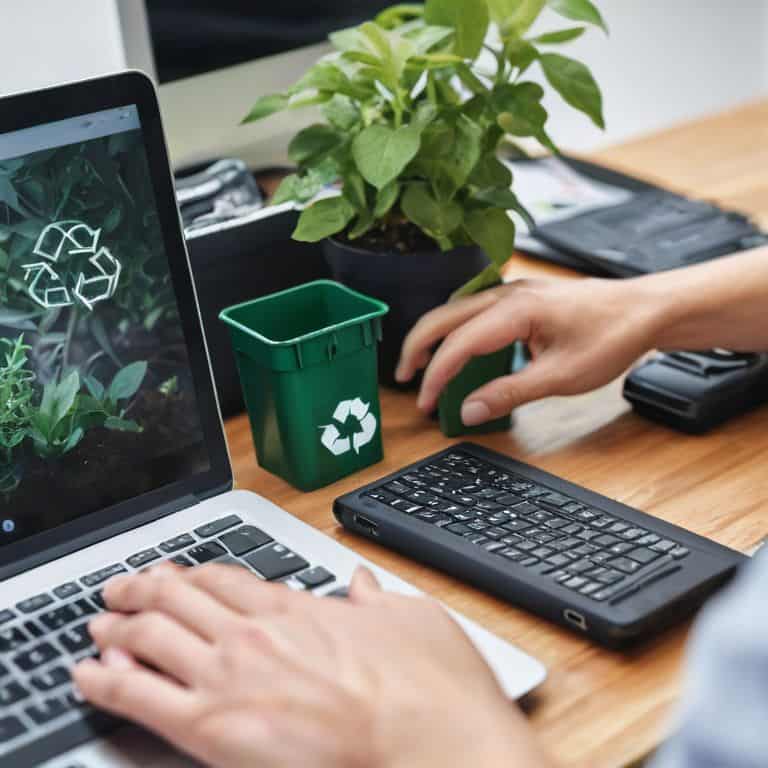
As I always say, breaking down the process into smaller, manageable steps is key to tackling decluttered items. Once you’ve cleared out the clutter, it’s essential to consider the environmental impact of your actions. For instance, when it comes to electronics, recycling is often the best option. Not only does it reduce waste, but it also helps conserve natural resources.
When deciding what to do with decluttered items, it’s crucial to think outside the box. Upcycling ideas for old clothes can be a fun and creative way to breathe new life into discarded items. You can turn old t-shirts into reusable bags, or transform faded jeans into unique quilts. This approach not only reduces waste but also allows you to get creative and have fun with the process.
Ultimately, the goal is to find a responsible disposal method for your decluttered items. This might involve organizing a successful garage sale, donating to local charities, or seeking out specialized recycling programs for hazardous waste. By taking the time to consider your options and make informed decisions, you can ensure that your decluttering efforts have a positive impact on both your life and the environment.
Responsible Disposal of Hazardous Waste and Garage Sales
When it comes to getting rid of hazardous waste, it’s essential to consider the environmental impact. Proper disposal methods should be used to avoid contaminating soil and water. This includes taking items like batteries, electronics, and chemicals to designated drop-off locations.
For non-hazardous items, hosting a garage sale can be a great way to declutter and make some extra money. I like to create a flowchart to organize and price items, making the process less overwhelming.
Upcycling Ideas for Old Clothes and Electronics
When it comes to old clothes, I love finding ways to breathe new life into them. Upcycling is a great way to do this, whether it’s turning old t-shirts into reusable bags or transforming worn-out jeans into unique quilts. This approach not only reduces waste but also allows you to get creative and have fun with the process.
For old electronics, consider repurposing them in innovative ways. For instance, you can turn an old laptop into a dedicated e-reader or transform a vintage phone into a quirky home decor item. This mindset helps you see old items as opportunities for creativity rather than mere clutter.
From Chaos to Control: 5 Essential Tips for Managing Decluttered Items
- Sort items into categories, not locations, to ensure a clutter-free space that reflects your priorities
- Designate a ‘maybe’ box for items that are difficult to decide on, and set a deadline to review them again
- Create a ‘one in, one out’ policy to maintain your newly decluttered space and prevent future accumulation
- Consider the 80/20 rule: 80% of the time, you likely only use 20% of your belongings, so be ruthless about letting go of the rest
- Schedule regular ‘maintenance sessions’ to review your space and adjust your systems as needed to ensure long-term organization and clutter control
Key Takeaways for a Clutter-Free Life
Create a flowchart to categorize your decluttered items into reuse, donate, sell, and discard piles to streamline your decision-making process
Schedule regular ‘decluttering sessions’ and set specific goals for each session to maintain momentum and track progress
Consider the environmental impact of your disposal choices and opt for sustainable methods, such as upcycling, donating, or participating in community recycling programs, whenever possible
A Word of Wisdom
The true magic of decluttering isn’t just about getting rid of stuff, it’s about creating a system that lets you breathe, think, and live more intentionally – and that starts with knowing exactly what to do with the things you’ve decided to let go of.
Sloane Kendrick
From Clutter to Clarity: A New Beginning
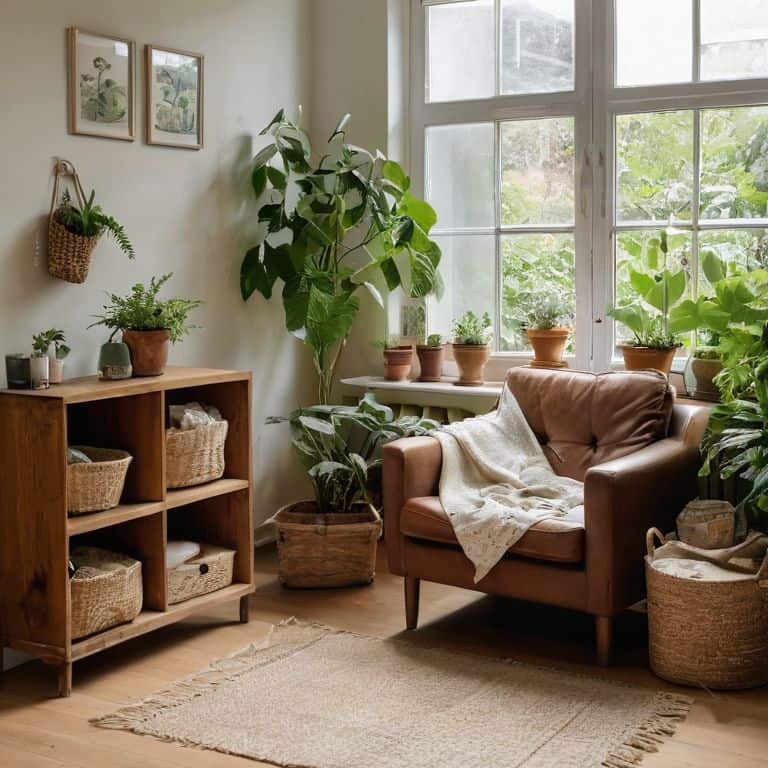
As we’ve explored the various paths to taming your decluttered items, remember that the journey to a more organized life is just as important as the destination. We’ve covered creative reuse of old furniture, the benefits of donating to local charities, and even delved into upcycling ideas for old clothes and electronics. By applying these strategies, you’ll not only be simplifying your space but also contributing to a more sustainable future. The key is to find a balance that works for you and your unique situation, whether that involves hosting a garage sale, responsibly disposing of hazardous waste, or simply finding new homes for your gently used items.
As you stand amidst your newly decluttered space, take a moment to acknowledge the empowerment that comes with clarity. You’ve taken the first steps towards creating a life that is more streamlined, more sustainable, and more reflective of your values. Remember, every item that finds a new purpose or is recycled is a testament to your ability to transform chaos into control. So, go ahead, take a deep breath, and celebrate your success – you’ve earned it. And as you move forward, keep in mind that maintaining this newfound order is a journey, not a destination, and that with the right mindset and tools, you can continue to thrive in your simplified space.
Frequently Asked Questions
How can I ensure I'm donating my decluttered items to reputable charities?
To ensure you’re donating to reputable charities, research the organization’s mission, ratings, and reviews on sites like Charity Navigator or GuideStar. Verify their physical address and contact info, and check if they’re registered with the IRS. I also recommend calling them to ask about their donation process and what items they accept – it’s a simple step that can give you peace of mind.
What are some creative ways to repurpose old furniture without spending a lot of money?
Let’s get creative with that old furniture. I’ve got a few favorite ways to repurpose without breaking the bank: turn an old door into a coffee table, use a ladder as a bookshelf, or upcycle a pallet into a garden planter. These ideas are easy on the wallet and add a personal touch to your space.
How do I determine the best method for disposing of hazardous waste from my decluttering process?
To determine the best method for disposing of hazardous waste, I recommend checking your local government’s website for guidelines on proper disposal. You can also reach out to your waste management provider for specific instructions. Additionally, consider using online resources like the EPA’s website to identify drop-off locations for hazardous materials.