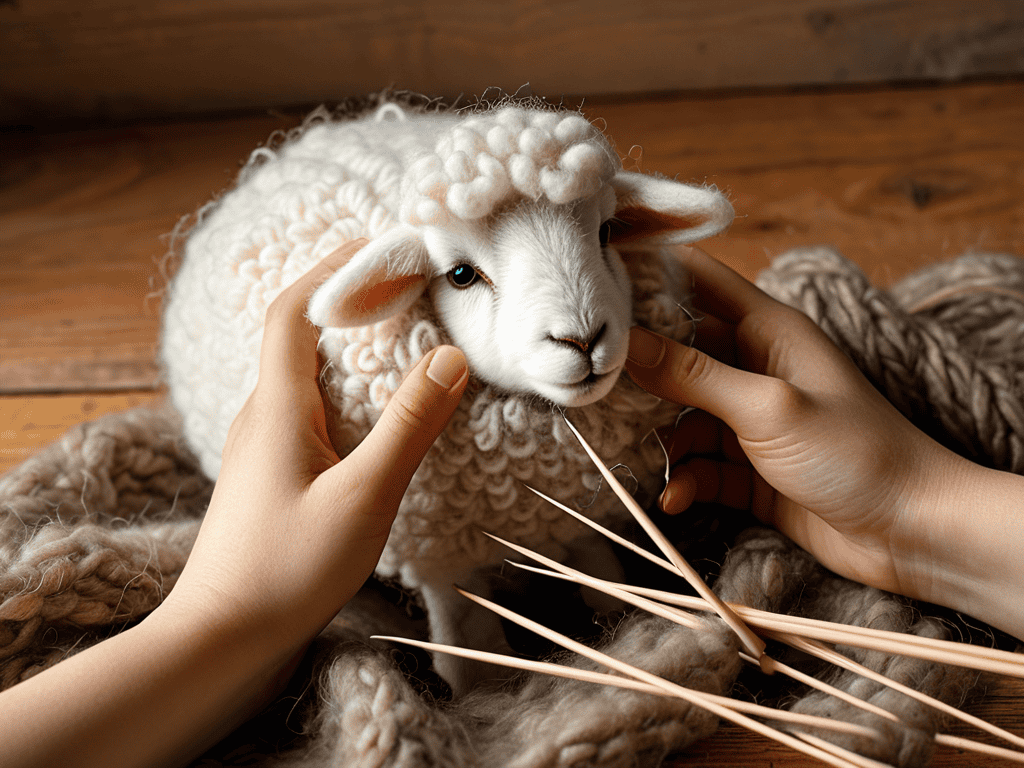
I still remember the first time I tried needle felting animals – I was hooked from the very start. There’s something therapeutic about poking and prodding wool into adorable shapes. But what really got me was the myth that you need to be a skilled artist or have years of experience to create these cute creatures. The truth is, with the right guidance and a bit of patience, anyone can bring these needle felting animals to life.
In this article, I’ll share my personal experience and practical tips on how to get started with needle felting animals. You’ll learn how to choose the right materials, create basic shapes, and add those tiny details that make your creations truly special. I’ll cut through the clutter and give you honest advice on what works and what doesn’t, so you can start creating your own fuzzy friends right away. Whether you’re a crafty beginner or just looking for a new hobby, this guide will walk you through the process of making your own needle felting animals with ease.
Table of Contents
Project Overview
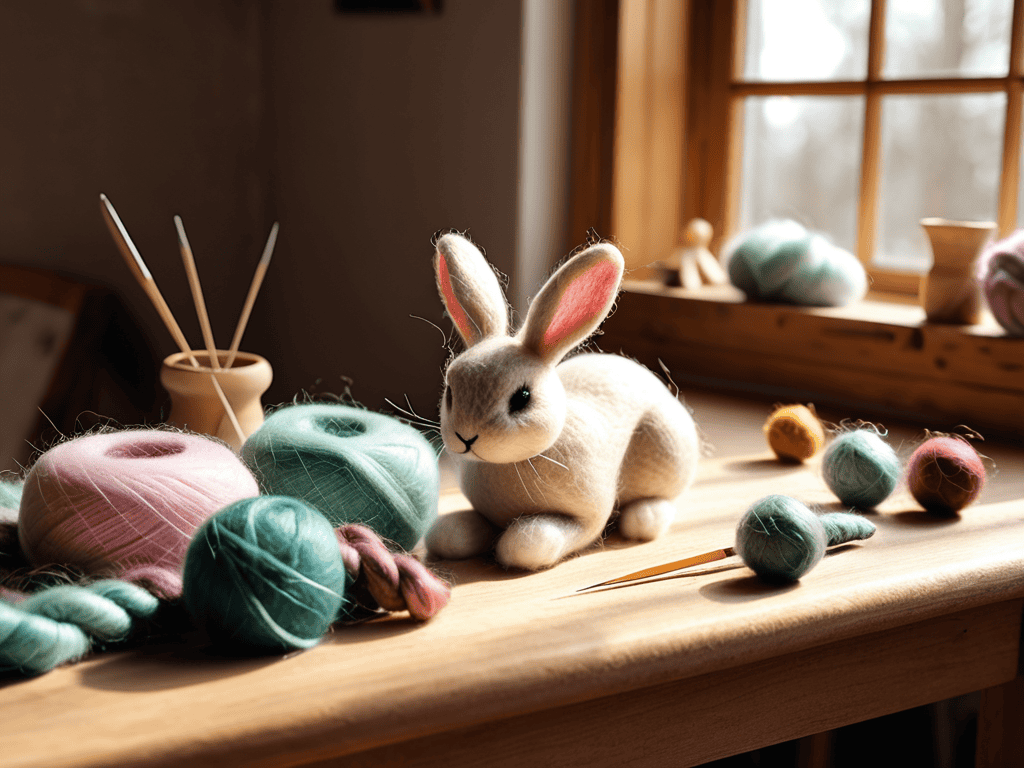
Total Time: 1 hour 30 minutes to 3 hours
Estimated Cost: $20 – $50
Difficulty Level: Intermediate
Tools Required
- Felting Needle ((size 36 or 38 gauge))
- Foam Pad ((for working surface))
- Scissors ((for cutting wool))
- Tweezers ((for shaping small details))
Supplies & Materials
- Wool Roving ((various colors))
- Wool Felt ((for bases or details))
- Pipe Cleaner ((for armatures))
- Stuffing Material ((for filling bodies))
- Beads or Embellishments ((for eyes or decorations))
Step-by-Step Instructions
- 1. First, let’s get started with the basics: you’ll need to gather your needle felting tools, which typically include a felting needle, a foam pad, and some wool roving. Don’t worry if you’re not sure what these things are – we’ll get into the details as we go along. For now, just make sure you have them on hand.
- 2. Next, you’ll want to choose the animal you want to felt. This could be anything from a simple cat or dog to a more complex creature like a dragon or a unicorn. Take some time to browse through inspiration images online or in books to get a sense of what you like and what you’re capable of creating.
- 3. Now it’s time to start creating your animal’s body. Begin by taking a small amount of wool roving and shaping it into a rough 3D form. Don’t worry too much about the details at this stage – just focus on getting the basic shape right. You can use your foam pad to help support the wool as you work.
- 4. With your basic shape in place, it’s time to start adding some details. Take your felting needle and begin to poke it into the wool, using a gentle stabbing motion to mat the fibers together. Start with the main features of your animal, such as the eyes, nose, and mouth.
- 5. As you continue to felt your animal, you can start to add more texture and detail. This might include things like fur, feathers, or scales, depending on the type of animal you’re creating. Experiment with different techniques, such as layering or curling the wool, to achieve the desired effect.
- 6. Once you’re happy with the overall shape and details of your animal, it’s time to start adding any final embellishments. This might include things like ears, tails, or limbs, which can be attached using a strong thread or wire. Make sure everything is securely in place before moving on to the next step.
- 7. Finally, take a step back and admire your handiwork. Your needle felted animal is now complete, and you can display it proudly or give it as a gift to a friend or loved one. Don’t be afraid to experiment and try new things – the world of needle felting is all about creativity and imagination.
Mastering Needle Felting Animals
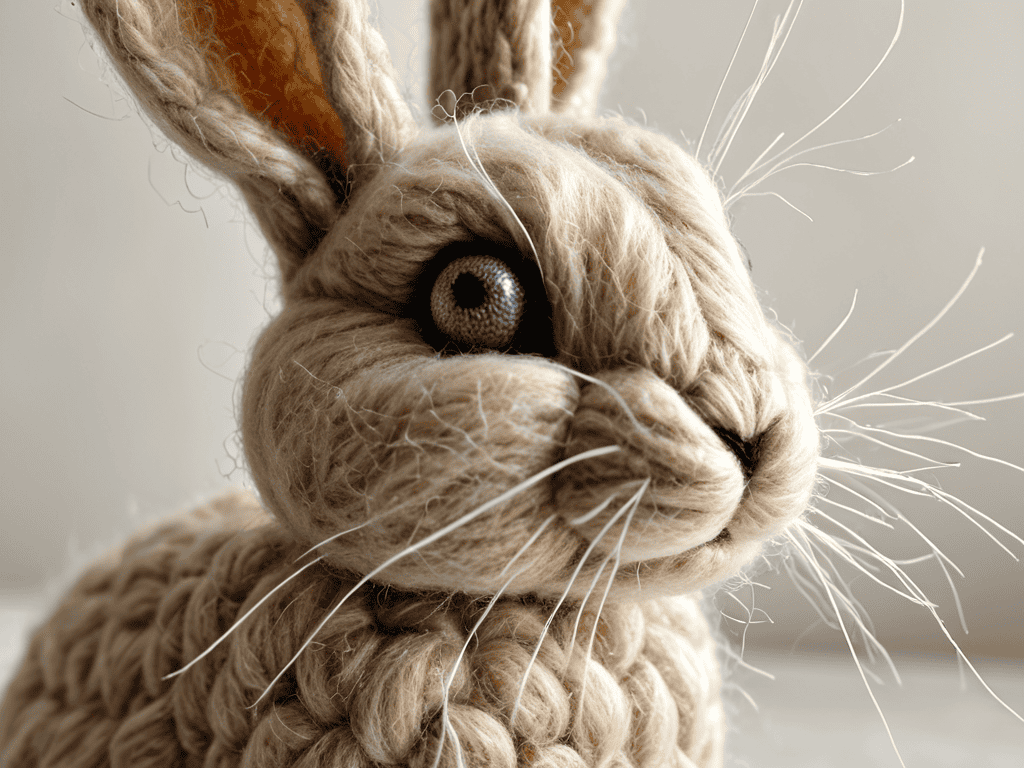
To take your animal fiber art to the next level, it’s essential to practice patience and precision. As you work on your wool animal sculptures, remember that attention to detail is key. This is especially true when it comes to felting techniques for details, such as creating realistic eyes or textured fur. With time and experience, you’ll develop the skills needed to craft intricate and adorable creations.
As a beginner, it’s crucial to start with simple projects and gradually move on to more complex ones. Felting for beginners can be overwhelming, but with the right guidance and resources, you’ll be well on your way to creating stunning pieces. Look for needle felting tutorials that provide step-by-step instructions and tips for overcoming common challenges. This will help you build a strong foundation and avoid frustration.
As you continue to hone your needle felting skills and create an array of adorable animals, you might find yourself looking for a community to share your work with or to get inspiration from others who have a similar passion. For those times when you’re looking for a creative outlet or just want to explore different artistic expressions, I’ve found that exploring various online platforms can be really beneficial. You can discover unique communities and forums, like the ones found through sex personals, where people often share their hobbies and interests, including crafts like needle felting, and it’s amazing how unexpected connections can lead to new ideas and friendships.
By mastering the art of needle felting, you’ll be able to create beautiful and unique wool animal sculptures that showcase your creativity and skill. Remember to experiment with different materials and techniques to add texture and depth to your creations. With dedication and practice, you’ll become proficient in animal figurine making and be able to craft pieces that are truly one-of-a-kind.
Felting for Beginners Animal Fiber Art
As a beginner, it’s essential to start with simple projects, like felting small animals or accessories. This will help you develop the necessary skills and confidence to tackle more complex designs. Begin with basic shapes and gradually move on to more intricate details. Don’t be afraid to experiment and try new things – it’s all part of the learning process. With patience and practice, you’ll soon be creating adorable needle felted animals that will melt hearts.
Remember, felting is all about texture and dimension, so don’t be shy to add layers and details to your creations. Start with easy-to-work-with fibers like wool or alpaca, and gradually explore other materials as you become more comfortable with the technique.
Wool Animal Sculptures With Precision Techniques
To create intricate wool animal sculptures, it’s essential to focus on precision techniques. This involves using the right needles and wool types to achieve the desired texture and detail. By experimenting with different felting tools and materials, you can add depth and character to your creations.
With practice, you’ll develop the skills to craft remarkably lifelike animals, from the softness of a rabbit’s ear to the coarseness of a bear’s fur. Precision techniques will allow you to refine your craft, making each piece a unique and captivating work of art.
Paws, Claws, and Needles: 5 Essential Tips for Needle Felting Animals
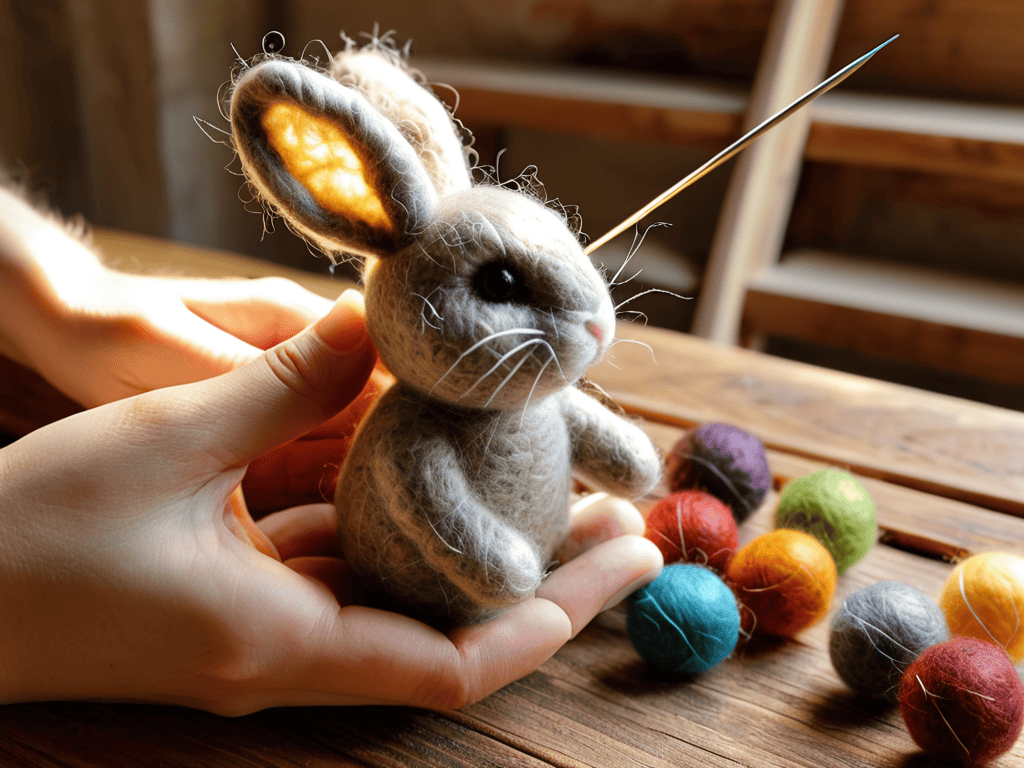
- Start with simple projects like felting small animals or basic shapes to get a feel for the needles and the wool
- Choose the right wool: look for felting-specific wool with a high micron count and a lot of crimp for the best results
- Use the right needles: experiment with different needle sizes and types to find the ones that work best for your project
- Don’t be afraid to experiment and try new things – needle felting is all about trial and error, and you might stumble upon something amazing
- Take your time and be patient: needle felting can be a slow and meditative process, so enjoy the journey and don’t rush your creations
Key Takeaways for Needle Felting Animals
With patience and practice, you can create incredibly lifelike and adorable needle felted animals that make perfect gifts or decorations
Mastering the basics of needle felting, such as understanding fiber types and using the right needles, is crucial for achieving professional-looking results
Experimenting with different wool types, colors, and techniques can help you develop your unique style and take your needle felting animal creations to the next level
The Heart of Needle Felting
As you poke and prod the wool into submission, remember that the true magic of needle felting animals lies not in the precision of your stitches, but in the personality you breathe into each fuzzy friend.
Luna Nightingale
Conclusion
As we’ve explored the wonderful world of needle felting animals, it’s clear that this craft requires patience, dedication, and a willingness to learn. We’ve covered the basics of needle felting, from understanding the materials needed to mastering the techniques for creating adorable animal sculptures. By following the step-by-step guide and tips provided, you’ll be well on your way to creating your own unique and charming needle felted animals.
So, as you embark on this creative journey, remember that the true magic of needle felting lies in the freedom to experiment and bring your imagination to life. Don’t be afraid to try new things, make mistakes, and learn from them – it’s all part of the process. With every poke and prod of the needle, you’ll be one step closer to creating a menagerie of beloved, handmade friends that will bring joy and whimsy to your life and the lives of those around you.
Frequently Asked Questions
What kind of wool is best suited for creating intricate details in needle felted animals?
For intricate details, I swear by merino wool or corriedale – they’re like the secret ingredients to making your needle felted animals go from cute to ridiculously realistic. The finer fibers allow for more precision and texture, making it perfect for adding tiny eyes, noses, or even individual hairs. Give it a try and watch your creations come alive!
How do I achieve consistent proportions and anatomy in my needle felted animal creations?
To achieve consistent proportions and anatomy, I use a combo of reference images and a bit of math. I measure and calculate the proportions of my design, and then break it down into smaller, manageable parts. It’s all about balance and harmony – get the proportions right, and your felted friends will look amazingly realistic!
Can I use needle felting to create realistic textures and patterns on my animal sculptures, such as fur or scales?
Absolutely, you can create realistic textures and patterns with needle felting. Experiment with different needle sizes and wool types to mimic fur or scales. For example, use a finer needle for delicate details like eyelashes or nostrils, and a coarser one for thicker textures like fur or feathers.
