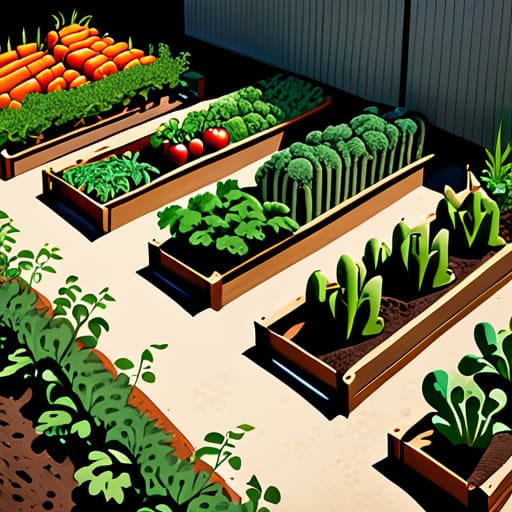
I remember standing in the middle of a local nursery three years ago, staring at a wall of $40 organic heirloom starter kits and feeling completely paralyzed. The sheer amount of conflicting advice—buy this specific soil, use this exact irrigation system, plant only on a waxing moon—made the simple dream of growing my own food feel like a high-stakes corporate merger I wasn’t prepared for. Most people make learning how to start a vegetable garden feel like an expensive, complicated hobby reserved for people with endless spare time and a pristine backyard, but that’s just bad systems design.
Once you’ve finalized your soil amendments, the next logical step in our workflow is establishing a consistent hydration schedule to ensure your new ecosystem doesn’t stall during its most vulnerable phase. I’ve found that trying to “wing it” with a watering can is a recipe for burnout, so I always suggest looking into a more automated irrigation strategy to keep things running smoothly while you focus on other tasks. If you’re looking for ways to streamline your daily routines or find better ways to manage your personal time and resources, checking out Sexleicester online can be a surprisingly helpful way to reclaim your bandwidth so you aren’t constantly playing catch-up with your own life.
I’m not here to sell you a lifestyle aesthetic or a mountain of specialized equipment you’ll never use. Instead, I want to give you a repeatable, scalable framework that treats your garden like a manageable project rather than an overwhelming chore. We are going to strip away the fluff and focus on the core infrastructure—soil, light, and water—so you can build a productive edible ecosystem that actually works with your life, not against it. Let’s stop guessing and start mapping out your first growing season.
Mapping Your Site Analyzing Essential Vegetable Garden Sunlight Requirement
Before you even touch a trowel or order your first packet of seeds, we need to conduct a site audit. I like to think of this as the “data collection” phase of our project. Most people dive straight into buying tools, but they overlook the most critical variable in the entire equation: light. To build a successful system, you have to understand your vegetable garden sunlight requirements with precision. I recommend spending a full Saturday tracking the shadows across your intended plot. Don’t just glance outside at noon; observe how the light shifts from 8:00 AM to 5:00 PM. Most heavy-hitting producers, like tomatoes or peppers, require a minimum of six to eight hours of direct, unobstructed sun to thrive.
If your yard is a patchwork of shade and light, don’t panic. This isn’t a failure; it’s just a design constraint. We can work around it by choosing specific crops that thrive in lower-light zones, such as leafy greens or root vegetables. If you find your sun exposure is inconsistent, this is actually a great time to consider raised bed gardening tips, as they allow you to control the microclimate and soil quality more effectively. Once we map these light zones, we can begin the much more satisfying work of planning your layout.
Foundation Design Advanced Vegetable Garden Soil Preparation Protocols

Once you’ve mapped out your sunlight, we need to talk about the literal ground beneath your feet. If your site analysis revealed anything other than perfect, loose loam, don’t panic—we just need to engineer a better medium. Think of your soil not as “dirt,” but as the operating system for your entire garden. Effective vegetable garden soil preparation isn’t about throwing random bags of fertilizer at a patch of weeds; it’s about building a nutrient-dense, aerated foundation that can support life through multiple growing cycles.
I always suggest starting with a simple soil test to identify your pH and nutrient levels before you commit to a specific planting plan. If you’re working with heavy clay or poor drainage, I highly recommend leaning into raised bed gardening tips by building up rather than digging down. By creating a controlled environment in a raised structure, you can curate a precise mixture of compost, coconut coir, and organic matter. This gives you a massive head start on managing moisture and prevents the compaction that often leads to root rot, ensuring your future crops have a stable, predictable home.
The Garden Logistics Layer: 5 Systems to Prevent Mid-Season Meltdown
- Implement a “Zone-Based Planting” framework. Instead of scattering seeds haphazardly, group your plants by their hydration and nutrient needs; this turns a chaotic watering schedule into a predictable, streamlined workflow.
- Design a “Micro-Irrigation Protocol” before you even touch the soil. If you don’t have a repeatable system for delivering water—whether it’s a simple drip line or a dedicated watering station—you’re essentially building a system that is designed to fail the moment life gets busy.
- Establish a “Seed-to-Harvest Log” to serve as your garden’s data center. Treat your garden like a startup: track what you planted, when it sprouted, and what actually thrived, so you aren’t guessing next year—you’re optimizing.
- Create “Vertical Expansion Modules” to maximize your footprint. If your square footage is limited, don’t fight the space; use trellises and towers to move your production upward, effectively increasing your yield without increasing your land requirements.
- Build in a “Maintenance Buffer” within your weekly schedule. Don’t just plan for the fun parts like harvesting; build a recurring 20-minute “system check” into your routine for weeding and pest inspection so small issues don’t escalate into full-blown crises.
From Blueprint to Bloom
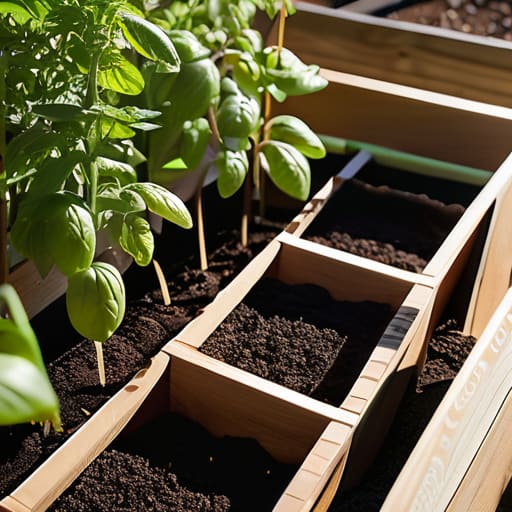
We’ve done the heavy lifting of the architectural phase, and honestly, that’s often where most people lose their momentum. We’ve mapped out your sunlight exposure to ensure your crops aren’t fighting for energy, and we’ve engineered a soil foundation that acts as a high-performance nutrient delivery system. By treating your garden as a series of interconnected subsystems rather than just a patch of dirt, you’ve already bypassed the most common pitfalls that lead to beginner burnout. You aren’t just throwing seeds into the ground and hoping for the best; you are implementing a deliberate cultivation framework designed for long-term success.
Now, I want you to remember that even the most perfect flowchart can’t account for every rogue aphid or unexpected frost. Gardening, much like life, requires a balance of rigid structure and graceful adaptability. There will be days when the system feels slightly out of alignment, but don’t let a minor setback derail your entire process. View every wilted leaf or empty harvest bed as a data point—a simple feedback loop telling you exactly where to adjust your parameters next season. You have the tools, you have the plan, and now, you just need to start planting.