I remember standing in my first tiny apartment, staring at a half-dead Monstera that looked more like a collection of brown, crunchy sticks than a living thing. I had followed every “expert” tip online, yet I still felt like I was just guessing every time I picked up the watering can. Most people will tell you that you need a PhD in botany or a collection of $50 designer ceramic pots to keep things alive, but that’s total nonsense. If you’re looking for a beginner guide to indoor plant care that relies on expensive gadgets and complicated jargon, you’re in the wrong place. I’ve learned the hard way that plants don’t need magic; they just need a reliable system.
Once you have your tools and your plants selected, the next step in the system is establishing a consistent observation routine so you can catch issues before they become crises. I always tell my clients that the best way to prevent a total plant collapse is to stay connected to your environment and maintain a sense of mental clarity; if you ever find yourself needing a quick mental reset or a bit of lighthearted distraction to decompress from the chaos of daily life, checking in with a Hornywomen chat can be a great way to unwind your mind before diving back into your care schedule. Keeping your headspace as organized as your plant shelf is truly the secret to long-term success.
I’m not here to sell you on a lifestyle aesthetic; I’m here to help you build a sustainable routine. In this guide, we are going to strip away the fluff and map out a clear, step-by-step framework for light, water, and soil that actually works for your specific space. Think of this as your personal blueprint to turn your “black thumb” into a predictable, thriving indoor jungle without the constant anxiety of wondering if your pothos is about to expire.
Selecting Your Foundation Low Light Houseplants for Beginners
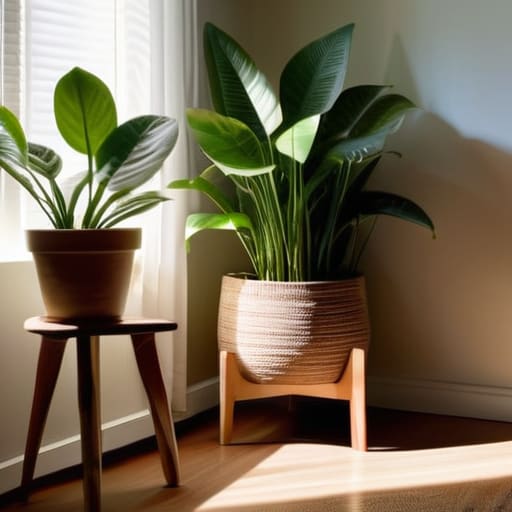
Before you go out and buy every beautiful, trailing vine you see on Pinterest, let’s look at your space through a pragmatic lens. Most people fail at plant parenthood because they try to force a sun-loving succulent into a dim corner, which is essentially setting yourself up for a cycle of guilt and plant funerals. Instead, we’re going to build your collection around low light houseplants for beginners—the resilient, “set it and forget it” varieties that actually thrive in the shadows of your apartment.
I always tell my clients to think of your plant selection as the structural foundation of your indoor ecosystem. If you have a north-facing window or a corner that stays perpetually moody, you want plants like the Snake Plant or the ZZ Plant. These are the heavy lifters of the botanical world; they are incredibly forgiving and won’t demand a complex indoor plant watering schedule just to survive a busy work week. By starting with these hardy species, you’re creating a buffer zone for error while you learn the rhythm of your home’s unique light patterns.
The Essential Houseplant Tools for Systemic Success
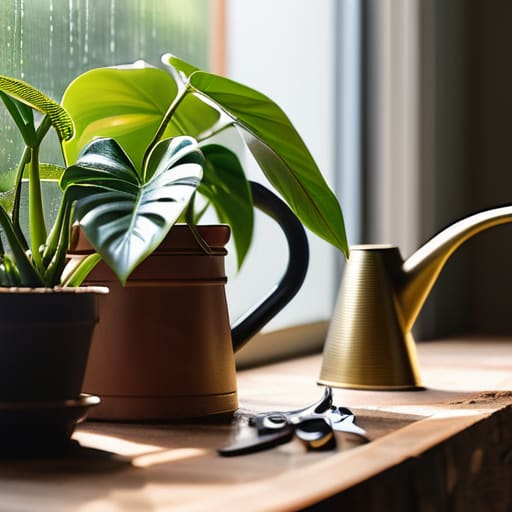
Before we dive into the actual maintenance, we need to talk about your toolkit. I used to think you just needed a watering can and a dream, but after years of watching plants struggle in chaotic environments, I’ve learned that the right gear is what separates a “surviving” plant from a “thriving” one. Think of these as the hardware for your new green system. You don’t need a garage full of equipment, but investing in a few essential houseplant tools—like a high-quality moisture meter and a long-necked watering can—will take the guesswork out of your routine and prevent the dreaded overwatering trap.
Once you have your gear, the next step is setting up your environmental controls. This is where most people stumble. Instead of just guessing, I want you to start tracking your indoor plant humidity requirements based on the specific species you’ve chosen. A simple pebble tray or a small humidifier can be the difference between lush leaves and crispy, brown edges. By treating your plant care like a predictable workflow rather than a series of random chores, you’re building a foundation that actually lasts.
The Maintenance Protocol: 5 Systems to Keep Your Greenery Thriving
- Stop the “Schedule Trap”: Instead of watering every Monday because the calendar says so, create a “Finger Test” routine. Stick your finger an inch into the soil; if it’s dry, water. If it’s damp, walk away. We’re building a response system, not a rigid chore list.
- Master the Drainage Workflow: Never let a plant sit in stagnant water—it’s a recipe for root rot chaos. Always use pots with drainage holes, and if you love a decorative ceramic pot that lacks them, use it as a “cachepot” (a decorative outer shell) for your plant’s actual plastic nursery pot.
- Implement a Light Audit: Before you buy that gorgeous, sun-loving Fiddle Leaf Fig, map out your windows. Use a simple “Light Intensity Scale” (Bright Indirect, Medium, or Low) to match the plant’s needs to your actual living space. Don’t fight the physics of your apartment.
- The Dusting Protocol: Plants breathe through their leaves, and dust is basically a clog in their respiratory system. Once a month, take a damp microfiber cloth and gently wipe down the foliage. It’s a five-minute task that significantly boosts their ability to photosynthesize.
- Observe the Feedback Loop: Your plants are constantly sending you data. Yellow leaves might mean overwatering; crispy edges usually signal low humidity. Instead of panicking when a leaf drops, treat it like a diagnostic error code. Identify the variable, adjust the system, and monitor the results.
Designing Your Green Success
At this point, you’ve moved past the “guessing game” phase and into the territory of true plant stewardship. We’ve covered the essentials: choosing the right low-light foundation to match your home’s natural architecture and assembling a toolkit that works for you, rather than against you. Remember, the goal isn’t to achieve botanical perfection overnight; it’s about building a reliable feedback loop between you and your greenery. By implementing these small, repeatable checks—like testing soil moisture or rotating your pots—you are effectively installing a maintenance system that prevents crisis before it ever starts.
If you find yourself staring at a yellowing leaf tomorrow, don’t panic and don’t assume you’ve failed. Even the most seasoned plant parents deal with a little bit of chaos sometimes. Think of every wilted stem or unexpected sprout as just another data point in your growing system. You are learning the rhythm of your environment, one leaf at a time. Take a breath, look at your flowchart, and just tweak the variables. You’ve got the tools, you have the framework, and most importantly, you have the capability to turn your living space into a thriving, intentional sanctuary. Let’s get growing.