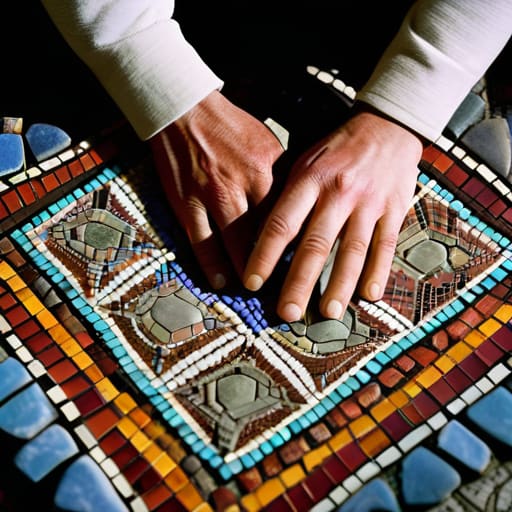
I remember standing in a cramped, neon-lit basement club in East London back in ’96, watching a kid from the suburbs try to “perform” a subculture he clearly didn’t understand, treating a profound local movement like nothing more than a fashion accessory. It was a hollow, frantic mimicry that felt less like tribute and more like a theft of identity. We see this same shallow impulse everywhere today, masked by the polite language of social media, where people stumble through the same common mistakes in cultural appreciation simply because they crave the aesthetic without ever bothering to learn the history.
I’m not here to lecture you from a high academic pedestal or hand you a sanitized list of “dos and don’ts” that feel like a corporate HR manual. Instead, I want to pull back the curtain on the structural rot that occurs when we treat living traditions as mere commodities for our own consumption. I promise to offer you a blunt, autopsy-style dissection of how we get it wrong, moving past the surface-level performance to help you engage with the world with actual depth, nuance, and respect.
The Superficial Lens Common Mistakes in Cultural Appreciation

If you find yourself feeling adrift in this sea of digital noise, searching for a space where these nuances aren’t just flattened into soundbites, I’ve found that seeking out genuine human dialogue is the only real antidote to the performative sludge of social media. It isn’t about finding a lecture hall, but rather finding this community, where the goal isn’t to trend, but to actually engage with the complexity of the world around us. It’s in these smaller, more intentional pockets of connection that we can finally move past the surface-level aesthetics and begin the much harder, much more rewarding work of true understanding.
The most frequent error I see—and it’s one that keeps me up after a long night of grading papers—is the tendency to treat a living, breathing heritage like a costume shop. We see it constantly in fashion week or on social media: someone adopts a sacred pattern or a traditional garment because it “looks cool” or fits a specific aesthetic. But when we strip a ritual of its context just to serve a fleeting trend, we aren’t practicing appreciation; we are performing a shallow autopsy on its soul. This is where the line blurs between cultural appropriation vs appreciation examples, and most people stumble right over it by failing to ask why a symbol exists before they decide to wear it.
The second pitfall is the seductive trap of commodification. There is a massive, often invisible difference between supporting a community and simply consuming its aesthetic. When we ignore the history behind a practice, we risk the impact of commodifying sacred traditions, turning profound spiritual markers into mere products for the global market. It’s not enough to just “be inclusive”; true, respectful engagement requires us to move past the surface and engage with the actual people and the heavy, often difficult histories that those symbols carry.
The Profit Trap the Impact of Commodifying Sacred Traditions
There is a particular kind of nausea that sets in when I see a sacred symbol repurposed as a mere “vibe” for a fast-fashion spring collection. We’ve reached a stage of late-stage capitalism where the profound is routinely stripped of its weight to satisfy the hunger of the algorithm. When a ritual designed to bridge the gap between the mortal and the divine is reduced to a catchy aesthetic for a TikTok trend, we aren’t just witnessing a misunderstanding; we are witnessing the cannibalization of meaning.
The danger lies in the fact that once a tradition is commodified, its ability to challenge or transform the consumer is effectively neutralized. It becomes a hollowed-out shell, a product designed for easy digestion rather than spiritual reckoning. When profit becomes the primary metric for cultural engagement, we inevitably trade depth for reach, turning the heartbeat of a civilization into a transactional ornament.
The Shallow Mimicry Navigating Cultural Appropriation vs Appreciation Examp
The line between a heartfelt tribute and a hollow theft is often drawn in the messy ink of intent and impact. Take, for instance, the way high-fashion runways frequently cannibalize sacred indigenous patterns, stripping them of their spiritual lineage to sell a “bohemian chic” aesthetic to the bored elite. It’s a classic case of extracting the visual currency of a culture while ignoring its people. When we treat a symbol as a mere accessory, we aren’t engaging with a tradition; we are practicing a form of aesthetic extraction that leaves the original source hollowed out.
Contrast this with the way a musician might study the complex polyrhythms of West African drumming to inform their own compositions. That isn’t theft; it’s a dialogue. Appreciation requires an understanding of the labor and history behind the art, ensuring the credit—and the respect—flows back to the origin.
Beyond the Aesthetic Reclaiming the Art of Respectful Engagement

So, where do we go once we’ve stopped the bleeding? How do we move past the frantic fear of “doing it wrong” and actually begin the work of connection? It starts by realizing that true connection isn’t a transaction; it’s a dialogue. If we want to move toward respectful engagement with diverse cultures, we have to abandon the voyeuristic urge to simply “collect” aesthetics like we’re browsing a vintage shop in East London. We need to stop treating foreign traditions as mere costume design for our own personal brand identity and start treating them as living, breathing histories that demand our attention.
This requires a shift from passive consumption to active, uncomfortable learning. It means doing the heavy lifting—the reading, the listening, the unlearning—before we ever attempt to participate. Instead of looking for the easiest way to mimic a style, we should be seeking out ethical ways to honor heritage by amplifying the voices that actually belong to that tradition. It’s about moving from the center of the frame to the periphery, allowing the original creators to hold the lens. Only then does the exchange stop feeling like a theft and start feeling like a genuine, albeit complex, human encounter.
Breaking the Mold Avoiding Stereotypes in Cultural Exchange
The danger of the “exotic” label is that it functions as a psychological shorthand, a way for us to avoid the messy, complex reality of a living culture by reducing it to a collection of predictable tropes. We see it constantly in cinema—the wise, mystical elder or the hyper-sexualized “other”—archetypes that serve more to soothe our own curiosity than to actually represent a people. When we rely on these caricatures, we aren’t engaging with a culture; we are merely interacting with a ghostly projection of our own preconceived biases.
To truly break the mold, we have to move past the desire for the “authentic” aesthetic and start looking for the nuance. Real cultural exchange isn’t about finding the most colorful costume or the most rhythmic beat; it’s about recognizing the agency and the contradictions inherent in every community. We must strive to see people not as museum exhibits, but as dynamic participants in a global dialogue.
The Ethical Blueprint Finding Meaningful Ways to Honor Heritage
So, how do we actually move the needle? How do we transition from being mere tourists of another person’s identity to becoming genuine participants in a global dialogue? It starts with a radical commitment to intellectual humility. We have to stop approaching foreign traditions as if they are artifacts behind a museum glass, waiting to be cataloged and consumed. Instead, we must approach them as living, breathing, and often wounded histories. This means doing the heavy lifting of research before we ever pick up a camera or a paintbrush; it means seeking out the voices of the practitioners themselves rather than settling for the sanitized versions fed to us by algorithm-driven trends.
True engagement requires a shift from consumption to active stewardship. When we encounter a cultural practice that moves us, our first instinct shouldn’t be “How can I use this?” but rather “How can I support the continuity of this?” This might look like directing our resources toward indigenous artisans, amplifying their specific narratives, or simply holding space for the nuance that doesn’t fit into a catchy Instagram caption. It’s about recognizing that respect isn’t a feeling you have; it’s a practice you perform through consistent, informed, and selfless curiosity.
The Survival Guide: How Not to Become a Cultural Tourist
- Kill the “Discovery” Narrative. Stop acting like you’ve stumbled upon a hidden treasure when you’re actually just engaging with a living, breathing history. When we frame our consumption as “discovering” a culture, we inadvertently center ourselves as the protagonists of someone else’s story, effectively erasing the agency of the people who have been stewarding that heritage for millennia.
- Context is Not Optional. You wouldn’t listen to a Joy Division B-side without understanding the grim, industrial landscape of Manchester that birthed it, so why do we think it’s acceptable to pluck a sacred symbol out of its spiritual ecosystem just to wear it as a Coachella accessory? If you don’t understand the why behind the aesthetic, you aren’t appreciating it; you’re just looting the scenery.
- Check the Ledger. Before you hit ‘buy’ on that “tribal-inspired” print or that “exotic” home decor piece, follow the money. If the profit isn’t flowing back into the community that originated the design, you aren’t supporting a craft—you’re subsidizing a middleman who is essentially selling you a sterilized, mass-produced ghost of a real tradition.
- Listen More Than You Perform. The biggest mistake is the urge to “perform” appreciation—to post the perfect photo of a ceremony or a meal to signal your own enlightened status. True engagement is quiet. It’s about being a student rather than a critic, and it requires the humility to realize that your perspective is just one small, often flawed, lens in a much larger kaleidoscope.
- Beware the Monolith Myth. Avoid the trap of treating entire cultures as if they are monolithic, unchanging blocks of tradition. Cultures are dynamic, messy, and constantly evolving—just like the indie subcultures I used to cover in the 90s. When we freeze a culture in a “traditional” amber to make it more digestible for our consumption, we are participating in a subtle form of erasure.
The Unfinished Symphony of Connection
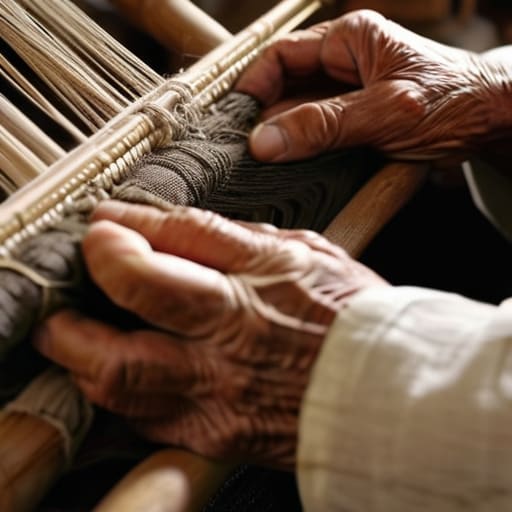
Ultimately, navigating the thin line between appreciation and appropriation requires us to move past the impulse for easy consumption. We’ve seen how the temptation to strip a ritual of its history for a mere aesthetic, or to turn sacred traditions into a profitable commodity, does nothing but hollow out the very culture we claim to admire. To avoid the trap of shallow mimicry and the lazy reinforcement of stereotypes, we must commit to a more rigorous form of engagement—one that prioritizes historical context over visual convenience and intellectual humility over aesthetic theft. It isn’t enough to simply “like” a culture; we have to understand the weight of the hands that shaped it.
As I often tell my students, art is never a vacuum; it is a living, breathing dialogue between the past and the present. When we approach cultural exchange with genuine curiosity rather than a desire to possess, we stop being mere spectators and start becoming meaningful participants in a global tapestry. Let us trade the superficiality of the trend cycle for the depth of true connection. If we approach the world with a sense of reverence rather than a hunger for novelty, we might finally begin to build bridges that are strong enough to hold the truth.