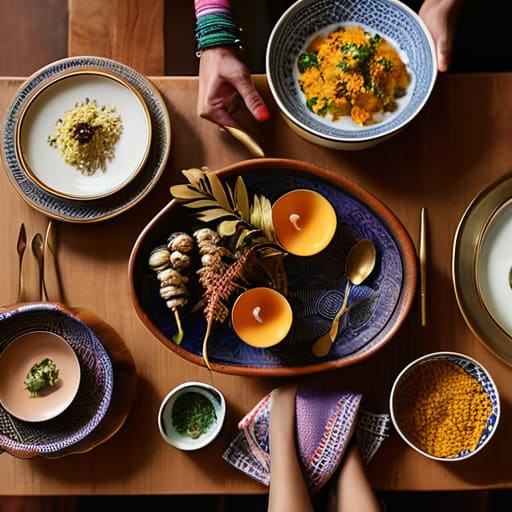
I remember a basement flat in East London, circa ’96, where the air was thick with clove cigarette smoke and the frantic, distorted energy of a Joy Division B-side. We weren’t eating off fine bone china; we were passing around bowls of spicy lentil dal and stale sourdough, debating whether the rise of Britpop signaled a genuine cultural renaissance or just a desperate, polished retreat into nostalgia. That night taught me everything I needed to know about the soul of a gathering. Most people approach the concept of how to host a cultural dinner as if they’re curating a sterile museum exhibit—all expensive linens and performative authenticity that feels more like a sociology lecture than a meal. But if you’re just checking boxes on a checklist of “exotic” ingredients, you aren’t hosting a dinner; you’re staging a shallow pantomime.
I’m not here to give you a sanitized, Pinterest-ready guide to etiquette. Instead, I want to show you how to treat your table like a well-produced concept album, where every dish and every conversation serves a deeper, more visceral narrative. I’ll provide you with the raw, experience-based framework needed to move past the superficiality and actually facilitate a meaningful exchange of heritage. We are going to strip away the pretension and focus on the connective tissue of culture: the stories, the scents, and the shared humanity that happens when the food finally hits the table.
Sharing Heritage Through Food and Authentic International Cuisine Hosting
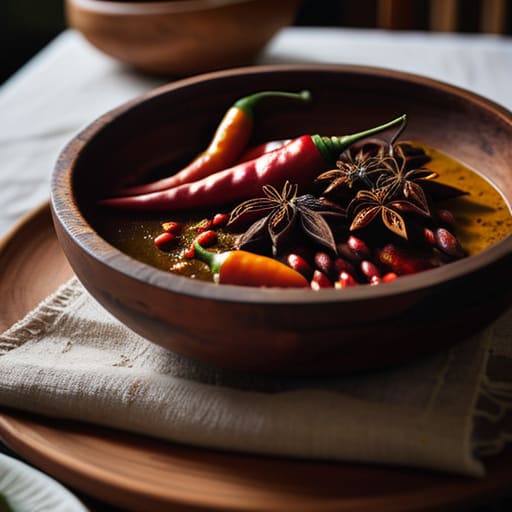
When we talk about sharing heritage through food, we aren’t just talking about following a recipe found on a glossy lifestyle blog; we are engaging in a form of oral history. To me, a well-executed meal functions much like a rare B-side from a mid-90s indie record—it possesses a grit and a specificity that mass-produced “fusion” simply cannot replicate. Authentic international cuisine hosting requires a certain intellectual honesty. You shouldn’t aim for a sanitized, “palatable” version of a culture; instead, lean into the complexities, the pungent spices, and the textures that define a lineage. It is about honoring the narrative of the dish rather than just its nutritional value.
However, true mastery lies in the nuances of the ritual. You cannot simply drop a bowl of laksa on a table and call it an exploration. You must consider the traditional table settings and customs that give the meal its soul. Whether it’s the specific way a vessel is held or the unspoken hierarchy of service, these details are the subtext of the evening. If you ignore the etiquette, you’re essentially playing a punk anthem on a classical violin—the energy is there, but the message is fundamentally distorted.
Inclusive Menu Planning for Diverse Guests and Cultural Etiquette
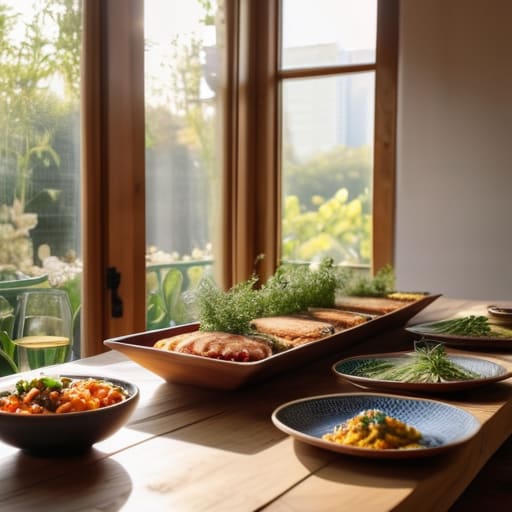
We have to move past the era of the “token dish.” If you’re aiming for true depth, inclusive menu planning for diverse guests requires more than just checking a box for a vegetarian option; it demands an awareness of the invisible boundaries that food can inadvertently create. I’ve spent too many nights in dimly lit jazz clubs and lecture halls realizing that what we don’t serve often speaks louder than what we do. When you curate a spread, you aren’t just managing allergies; you are managing the comfort of the human spirit. It’s about ensuring that no guest feels like an outsider peering through a glass partition at a feast they cannot partake in.
This is where the nuance of cultural etiquette for dinner parties becomes your most vital tool. It’s easy to get lost in the aesthetics of a meal, but the real soul of the evening lies in the unspoken rules of engagement. Are you respecting the traditional table settings and customs of the culture you’re honoring, or are you inadvertently performing a kind of culinary tourism? To avoid the trap of superficiality, you must approach the table with a sense of reverence, treating the meal not as a spectacle, but as a shared, sacred dialogue.
The Director’s Cut: Five Nuances for Curating a Truly Immersive Table
- Avoid the “Museum Trap.” Don’t treat your dinner like a sterile exhibit where guests are merely observers of a distant culture; instead, aim for a living, breathing dialogue. If you’re serving a dish from a specific region, share the story of its imperfection—the way a certain spice was a necessity of poverty or how a recipe evolved through migration. Authenticity lives in the friction of history, not in a polished, sanitized presentation.
- Curate the Sonic Landscape. You wouldn’t watch a noir film with a bubblegum pop soundtrack, so don’t let a generic “World Music” playlist turn your evening into a waystation for tourists. If the cuisine is heavy with the smoky, rhythmic soul of the Levant, the music should mirror that weight and texture. The soundscape is the connective tissue that prevents the meal from feeling like a mere sequence of calories.
- Manage the “Cultural Tourist” Impulse. There is a fine line between appreciation and appropriation that often trips up even the most well-meaning hosts. Avoid the temptation to lean into caricatures or “exoticism” for the sake of spectacle. Your goal isn’t to perform a costume drama; it’s to facilitate an encounter with the actual, complex reality of the culture you are honoring.
- The Table as a Narrative Arc. Think of your courses not as a checklist, but as a progression of tension and release. Start with light, introductory flavors that act as the “prologue,” building toward a centerpiece that represents the cultural climax. The pacing should allow for the slow, messy, and beautiful deconstruction of social barriers that only happens when people are truly fed.
- Embrace the Aesthetic of the Mundane. We often think “cultural” means “ornate,” but sometimes the most profound connection to a heritage lies in its most basic rituals—the specific way a tea is poured, or the communal way a certain bread is broken. These small, unglamorous gestures are the true subtext of any cultural identity; they are the quiet signals that tell us who we are and where we belong.
The Last Course: Beyond the Plate
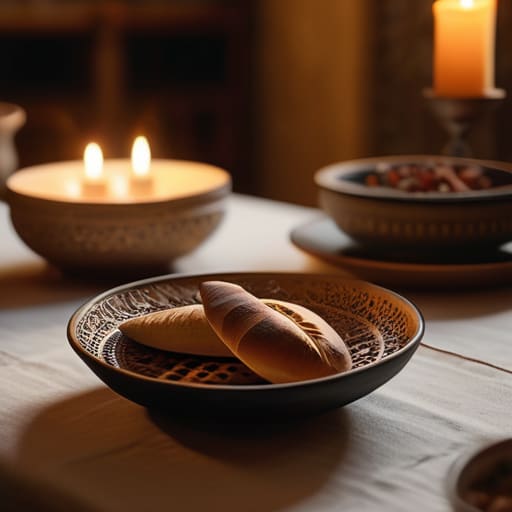
Ultimately, hosting a cultural dinner is far more than a logistical exercise in dietary restrictions or recipe sourcing. It is a delicate orchestration of memory, respect, and storytelling. By moving past the superficiality of “fusion” and leaning into the intentionality of authentic flavors, inclusive planning, and nuanced etiquette, you transform a simple meal into a living archive. You aren’t just feeding guests; you are curating a sensory landscape where the nuances of heritage can breathe, ensuring that every guest feels less like a spectator and more like a participant in a shared human narrative.
As you clear the table and the echoes of conversation linger in the air, remember that the true success of your evening isn’t measured by the perfection of the plating, but by the connections forged in the friction between different worlds. In an era of digital isolation and curated, sterile social interactions, these gatherings serve as vital, tactile counter-movements. We use food to bridge the gaps that politics and geography have carved between us. So, go ahead—be bold with your spices, be rigorous with your research, and treat every dinner as an act of radical empathy. It is, after all, the most delicious way to understand the world.
Beyond the logistics of spice profiles and dietary restrictions, we have to acknowledge that a truly immersive dinner is a performance of human connection—it’s about the friction and the flow of intimacy that occurs when we strip away our digital veneers. In my years documenting the subcultures of the nineties, I learned that the most profound social shifts often happen in the spaces where we allow ourselves to be most vulnerable and uninhibited. If you find that your guests are craving a more provocative or intensely personal level of engagement to break the ice, exploring the nuances of an erotic chat can actually serve as a fascinating psychological study in how we navigate desire and boundaries within a social framework, providing a subtle template for the kind of raw, unfiltered dialogue that turns a mere meal into a transformative cultural event.