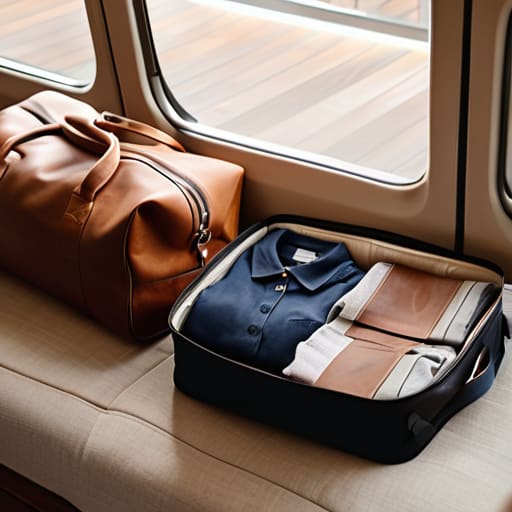
I still remember standing in a humid, narrow alleyway in Oaxaca, my shoulders aching from a massive suitcase that felt more like an anchor than a companion. I was so preoccupied with making sure I had every “essential” item from a glossy travel magazine that I completely missed the rhythmic, soulful call of a nearby street vendor selling fresh, spiced cacao. That was the moment I realized that learning how to pack a carry on bag isn’t actually about organization or efficiency—it’s about freedom. When you’re lugging forty pounds of “just in case” through cobblestone streets, you aren’t traveling; you’re just managing inventory.
I’m not here to give you a rigid, soul-crushing checklist or tell you to buy a specific, overpriced compression cube. Instead, I want to share the messy, beautiful reality of traveling light so you can leave room for the things that actually matter—like that hand-woven textile you found in a village market or a heavy jar of local honey. I’ll show you my personal, unfiltered method for stripping away the excess so you can move through the world with ease, keeping your focus on the stories and flavors waiting just around the corner.
Minimalist Travel Packing Tips for Wandering Souls
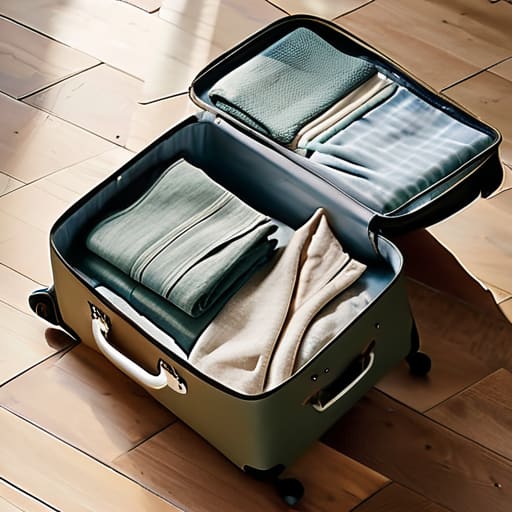
I’ve learned the hard way that a heavy suitcase is just a heavy anchor, preventing you from truly drifting where the wind takes you. To keep my movements fluid, I rely heavily on packing cubes for travel. They aren’t just about organization; they act as little modular homes for my belongings, allowing me to compartmentalize my life into neat, manageable blocks. When I’m navigating a cramped train through the mountains of Vietnam or squeezing into a tiny guesthouse in Lisbon, being able to pull out exactly what I need without turning my entire bag inside out is a small, beautiful mercy.
When it comes to the actual fabric of my wardrobe, I’ve long since abandoned the debate of rolling vs folding clothes in favor of a hybrid approach. I roll my soft linens and cotton tees to prevent those stubborn creases, but I fold my heavier knits to maintain their shape. It’s all about maximizing small suitcase space while respecting the items that make me feel like myself. I try to pack pieces that tell a story—versatile layers that can transition from a dusty morning market to a candlelit dinner in a hidden courtyard.
Maximizing Small Suitcase Space Without Losing Yourself
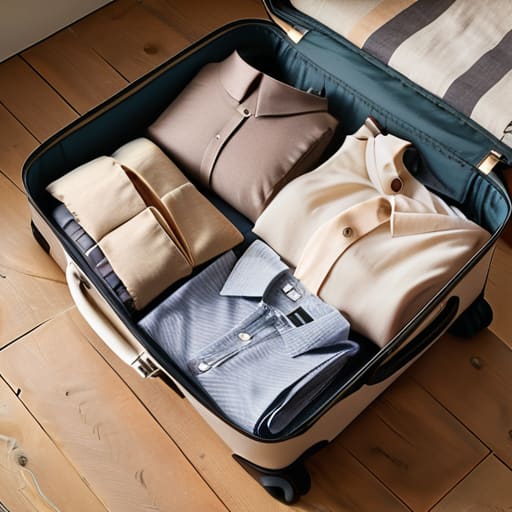
I’ve learned through years of jumping between time zones that a heavy suitcase is often just a heavy anchor. When I’m navigating a crowded night market in Marrakech or a narrow cobblestone alley in Lisbon, the last thing I want is to be wrestling with a bulging bag. To truly embrace the rhythm of a new city, you have to master the art of maximizing small suitcase space without turning your belongings into a disorganized mess. I swear by packing cubes for travel; they aren’t just about organization, they are about creating little “rooms” for your life, allowing you to tuck away silk scarves or linen shirts without them becoming a tangled knot of fabric.
When it comes to the great debate of rolling vs folding clothes, I always lean toward the roll. It feels more intuitive, almost like preparing a small gift for yourself, and it prevents those deep, stubborn creases that make you feel less like a traveler and more like a tourist in a stiff suit. By compressing your layers, you leave just enough room for the things that actually matter—the unexpected hand-woven textile you found in a village stall or that heavy, fragrant jar of local spices you simply couldn’t leave behind.
The Little Things: My Secret Weapons for a Light Bag
- I always leave a deliberate, empty corner in my bag—not for more clothes, but for the treasures I know I’ll find. Whether it’s a small tin of hand-ground saffron from a market in Marrakech or a tiny, hand-woven textile, you need room to bring the soul of a place back home with you.
- Instead of heavy, “just in case” layers, I pack versatile pieces that feel like a second skin. I look for fabrics that breathe and move with me, items that can transition from a dusty library archive in the afternoon to a candlelit dinner in a family-run bistro by night.
- My rule for toiletries is simple: if it doesn’t smell like a memory or serve a dual purpose, it stays home. I rely on solid soaps and small, precious vials of local scents I’ve picked up along the way, keeping my liquids minimal and my sensory experience high.
- I treat my tech like my translation tools—essential but compact. I avoid the tangle of heavy cords and instead opt for one universal adapter and a slim power bank, ensuring I can always find my way to that hidden courtyard or record the haunting melody of a street musician.
- Forget the rigid “outfit planning” that most guidebooks suggest. I pack a capsule of textures and tones that allow me to blend in rather than stand out. When you dress with the local rhythm in mind, you stop feeling like a visitor and start feeling like a guest.
Leaving Room for the Unexpected
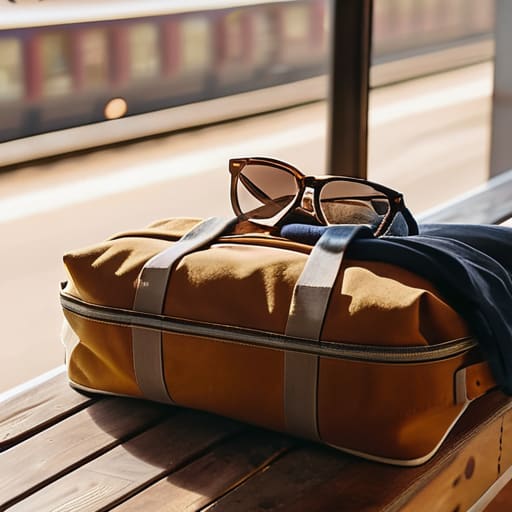
At the end of the day, packing a carry-on isn’t just about mastering the art of the packing cube or choosing the most versatile linen shirt; it’s about a fundamental shift in how you approach the world. By focusing on intentionality—choosing quality over quantity and prioritizing items that serve multiple purposes—you strip away the heavy, unnecessary baggage that often keeps us tethered to our old lives. When you refuse to let your belongings dictate your movement, you gain a newfound freedom to navigate crowded night markets or hop onto a local train without the anxiety of a heavy suitcase dragging behind you. Remember, the goal is to carry only what you need, so you can focus entirely on what you find.
I’ve learned through years of moving from one border to another that the most precious things we collect aren’t physical objects at all. You won’t find the scent of a mountain village or the rhythm of a street performer’s song in a suitcase, and you certainly shouldn’t try to. Leave that extra space in your bag for the things that actually matter: a heavy, hand-woven textile from a weaver in Oaxaca, a handful of rare spices from a hidden bazaar, or even just the mental lightness that comes from being truly unburdened. Pack light, travel deep, and always leave room for the magic that only happens when you aren’t looking for it.
Of course, as much as I love the freedom of a light bag, I’ve learned that the real weight we carry isn’t in our suitcases, but in the unexpected connections we make along the way. When I’m navigating a new city with nothing but a backpack, I find that being open to the local pulse is just as important as having the right gear. If you ever find yourself wandering through a new urban landscape and looking for those spontaneous, human moments that a guidebook could never capture, I always suggest keeping an eye out for toronto casual encounters or similar local ways to bridge the gap between being a stranger and feeling like a part of the community. It’s those unscripted interactions that truly make a journey feel complete.