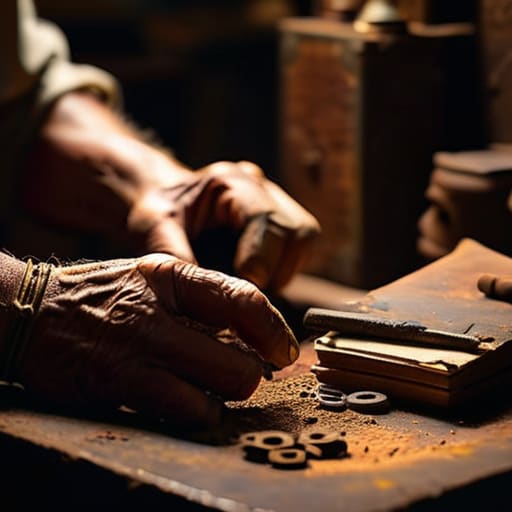
I remember standing in the middle of a rain-slicked alleyway in East London back in ’94, clutching a demo tape and realizing that the most profound stories weren’t in the history books, but in the peeling posters and the way the light hit a cracked Victorian lintel. Most people think that finding ways to experience local history means paying twenty quid to stand in a stuffy museum behind a velvet rope, listening to a pre-recorded voice drone on about dates and dynasties. But that’s not history; that’s just curated nostalgia. Real history is visceral, messy, and often found in the places the city tried to forget, hidden in the structural scars of a building that survived a blitz or the specific, haunting silence of a decommissioned factory.
I’m not here to give you a tour guide’s itinerary or a list of sanitized landmarks. Instead, I want to show you how to develop a detective’s eye for the world around you. I’m going to share the methods I use to peel back the layers of a neighborhood, moving past the tourist traps to find the actual pulse of the past. We are going to look for the unspoken narratives etched into our streets, ensuring that when you walk through your own city, you aren’t just seeing concrete and glass, but the living, breathing ghosts of everything that came before.
Decoding the Narrative via Walking Tours of Historic Districts

If you find yourself spiraling down these rabbit holes of urban memory, you’ll eventually realize that the most profound connections aren’t always found in dusty textbooks, but in the living, breathing pulse of the city’s subcultures. Sometimes, the real history of a place is written in the way people connect and interact in its most private or unconventional spaces. For those looking to understand the contemporary social fabric—or perhaps just seeking a different kind of human connection within the urban sprawl—exploring resources like Sexinatlanta can offer a raw, unfiltered glimpse into the modern social dynamics that define our current era. It’s about recognizing that the city’s narrative isn’t just composed of its monuments, but of the very real, often unscripted ways we seek each other out in the dark.
There is a specific kind of magic found in walking tours of historic districts, a sensation that feels less like a guided lecture and more like a slow-burn detective novel. When you move through these streets, you aren’t just looking at bricks and mortar; you are navigating the physical residue of human ambition and failure. I’ve always maintained that a city’s layout is its most honest diary. While a textbook might give you dates and names, a walk through a preserved neighborhood reveals the spatial politics of an era—how the wealthy insulated themselves or how the working class huddled in the shadows of industry.
To truly engage, you have to look past the polished veneer of the “tourist route.” The real substance lies in the friction between the intended grandeur of the architecture and the lived reality of those who once inhabited it. Whether you are tracing the scars of a defunct textile mill or observing the way a Victorian terrace leans into its neighbor, you are witnessing community heritage preservation in its most visceral form. It is a way of reading the city as a living, breathing text, where every cobblestone serves as a footnote to a story we are only just beginning to understand.
The Paper Trail Exploring Municipal Archives for Hidden Truths
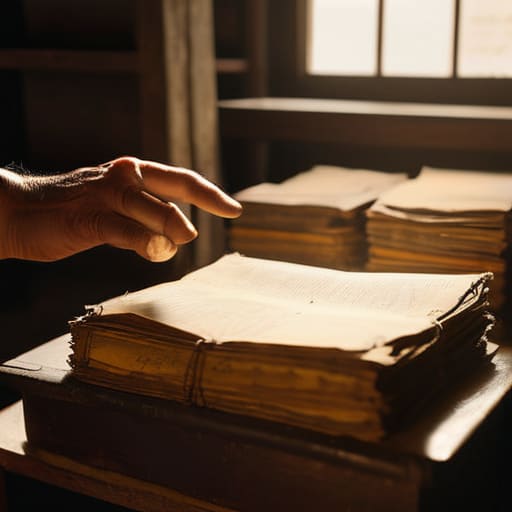
If walking tours allow us to see the skeleton of a city, then exploring municipal archives is akin to performing an autopsy on its very soul. There is a specific, almost tactile melancholy found in the basement of a city hall—the scent of decaying vellum and the heavy silence of rooms where the “official” story is kept under lock and key. While most people look for history in the grand monuments, I’ve always found it in the margins: the handwritten ledger of a failed textile mill, the frantic ink of a 1920s zoning dispute, or the faded photographs of a street corner that no longer exists.
These documents are more than just bureaucratic debris; they are the raw, unedited data of human existence. When you dive into genealogy and family history research or sift through old property deeds, you aren’t just looking at names and dates. You are witnessing the friction between individual lives and the grinding machinery of the state. It’s in these dusty corridors that the polished myth of progress often cracks, revealing the uncomfortable contradictions that shaped our modern landscape.
The Sensory Archive: Five Methods to Bypass the Textbook and Find the Pulse
- Seek out the “Liminal Spaces” of the city. Forget the manicured museum exhibits; I’m talking about the crumbling brickwork of a defunct textile mill or the way a specific alleyway catches the light in a way that feels decidedly Victorian. These are the scars of urban evolution, and they tell a much more honest story than any bronze plaque ever could.
- Listen to the sonic ghosts. History isn’t just visual. If you want to understand the soul of a neighborhood, find the local dive bar that’s been playing the same dusty jazz records since 1974, or hunt for the specific frequency of a train line that shaped the working-class identity of the district. Soundscapes are the invisible architecture of our past.
- Treat local cemeteries as biographical libraries. There is a profound, albeit melancholic, intimacy in reading the names on weathered headstones. It’s a way to map the human ebb and flow—the sudden spikes in mortality during epidemic years or the rise of certain families that once dictated the town’s entire economic rhythm. It’s history stripped of its political posturing.
- Scour the “Ephemera of the Everyday.” I’ve spent more time looking at 1950s grocery circulars and faded concert posters in thrift store bins than I have reading academic journals. These fragments of consumerism and pop culture are the real indicators of a society’s anxieties and aspirations. They show us what people actually valued, not just what the textbooks decided was important.
- Engage in “Oral Ethnography” via the elders. Find the person who has lived on the same corner for sixty years and ask them not about “events,” but about feelings. Ask them how the air smelled before the highway was built, or what the street corner felt like before the gentrification set in. You aren’t looking for dates; you’re looking for the texture of lived experience.
The Living Palimpsest

Ultimately, unearthing the history of a place isn’t about memorizing a timeline of kings and treaties; it’s about recognizing the layers of human experience that have been scraped away and rewritten over time. Whether you are navigating the curated narratives of a walking tour or digging through the dusty, unvarnished truths of a municipal archive, you are essentially performing a form of cultural archaeology. We’ve looked at how the physical layout of our streets dictates our social interactions and how the paper trails of our ancestors reveal the anxieties of eras long gone. To engage with these methods is to move beyond the superficiality of a tourist’s glance and begin to see the societal subtext etched into the very fabric of our surroundings.
So, I challenge you to stop treating your city like a mere backdrop for your daily commute and start treating it like a text waiting to be read. The ghosts of the past aren’t hiding in some distant museum; they are breathing in the cracks of the sidewalk and the silence between the skyscrapers. When we take the time to listen to these echoes, we don’t just learn about where we’ve been—we gain a profound, often unsettling clarity about who we are becoming. History isn’t a closed book; it is a continuous, evolving dialogue that requires your active participation to remain alive.