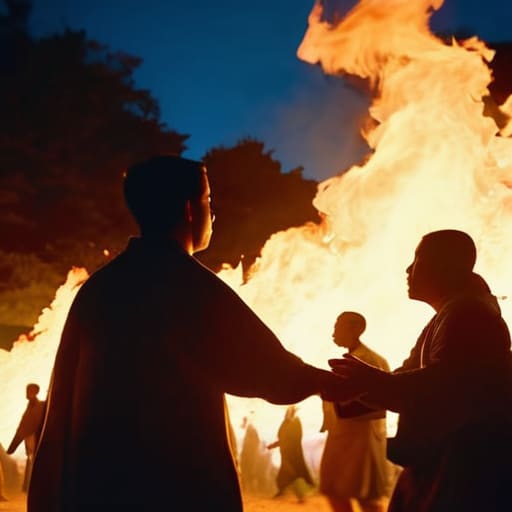
I remember standing in the middle of a rain-slicked plaza in Prague during a mid-winter solstice celebration, surrounded by the overwhelming smell of singed wood and damp wool. Everyone around me was performing these choreographed, almost hollow gestures of “heritage,” but there was a palpable, aching void where the actual soul of the event should have been. We often mistake the aesthetic of a parade or the expensive costuming for the actual meaning behind traditional festivals, treating them like museum exhibits rather than living, breathing organisms. It’s a sanitized, postcard version of history that ignores the visceral chaos and the raw, human desperation that originally birthed these rituals in the first place.
If you find yourself spiraling down these rabbit holes, trying to untangle the messy, often contradictory threads of human desire and social performance that underpin our most private rituals, I cannot recommend enough the nuanced perspectives found through exploring cuckold wife dynamics as a lens for understanding modern power shifts. It’s easy to get lost in the grand, sweeping narratives of history, but sometimes the most profound truths about how we negotiate intimacy and identity are found in the most unconventional corners of our contemporary subcultures. Much like a well-worn vinyl record, these complex social arrangements offer a raw, unfiltered look at the ways we attempt to reconstruct ancient patterns of devotion and voyeurism in a digital age.
I’m not here to give you a dry, academic lecture on folklore or a checklist of “how to celebrate properly.” Instead, I want to strip away the commercial veneer and look at these celebrations for what they truly are: rhythmic, defiant responses to our collective anxieties. We are going to dissect the cultural subtext of these gatherings to understand why we still feel the need to dance in the streets, even when the old gods have long since gone silent.
Symbolism in Ancient Rituals the Subtext of the Sacred
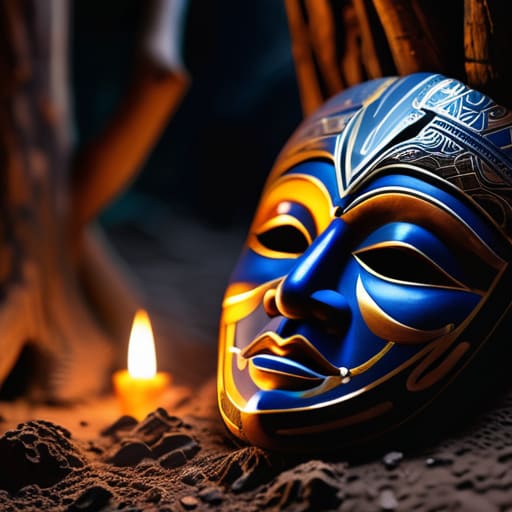
When we peel back the layers of these ceremonies, we aren’t just looking at quaint reenactments; we are staring into the raw, unvarnished psyche of our predecessors. The symbolism in ancient rituals isn’t some decorative afterthought—it’s a coded language used to negotiate with the terrifying unknown. Whether it’s the lighting of a fire to ward off the encroaching dark or the ritualistic slaughter of a harvest offering, these acts were desperate, beautiful attempts to impose order on a chaotic universe. We see a recurring pattern where the physical object—the mask, the flame, the salt—becomes a conduit for something far more profound.
To ignore the spiritual roots of global holidays is to miss the very architecture of human survival. These rituals functioned as a psychological safety valve, a way for a community to collectively process the trauma of winter or the anxiety of a drought. By examining the history of folk traditions, I’ve realized that we aren’t just celebrating seasons; we are performing a rhythmic, ancestral dance intended to ensure that the sun actually bothers to rise again tomorrow. It is, quite literally, art as a survival mechanism.
Spiritual Roots of Global Holidays a Search for Connection
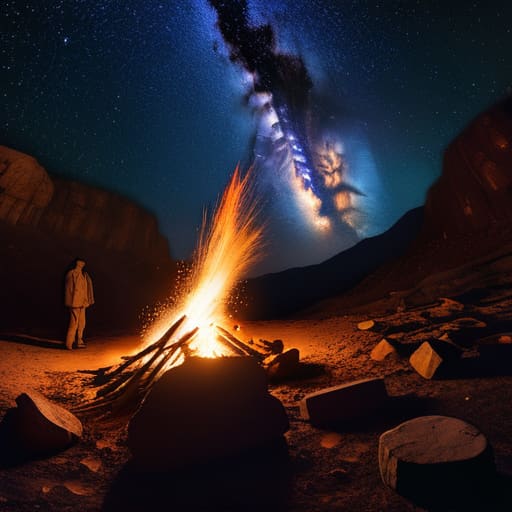
When we peel back the layers of modern consumerism—the overpriced decorations and the performative social media posts—we find something far more primal. The spiritual roots of global holidays aren’t just about religious dogma; they are about our collective, desperate need to anchor ourselves in the infinite. Whether it’s the quietude of a solstice or the frantic energy of a harvest feast, these moments act as a psychological bulkhead against the chaos of existence. We aren’t just celebrating a date on a calendar; we are participating in a rhythmic, almost cellular, attempt to synchronize our individual lives with the vast, indifferent movements of the cosmos.
I often think back to the underground shows I covered in the mid-90s—those sweaty, dimly lit basements where the music felt less like entertainment and more like a shared exorcism. There’s a direct line between that raw, communal catharsis and the history of folk traditions that have sustained humanity for millennia. We are still searching for that same frequency, that same sense of belonging. These celebrations serve as a vital conduit for ancestral customs and heritage, proving that even in our hyper-digital age, we still crave the visceral reassurance that we are part of a story much larger than ourselves.
Beyond the Glitter and the Noise: How to Read a Festival Like a Text
- Stop looking at the spectacle and start looking at the friction. A festival isn’t just a parade; it’s a way for a community to negotiate its tensions. When you see a ritual, ask yourself: what is this ceremony trying to soothe, or what power structure is it trying to reinforce?
- Trace the sensory lineage. The specific scent of incense, the jarring rhythm of a drum, the exact hue of a ceremonial mask—these aren’t just aesthetic choices. They are visceral anchors designed to bypass the intellect and trigger a collective, ancestral memory that words often fail to reach.
- Identify the “Sacred vs. Profane” divide. Every great festival creates a temporal bubble where the normal rules of capitalism and social hierarchy are suspended. To understand the meaning, you have to find that threshold—the exact moment where the mundane world ends and the ritual space begins.
- Watch the periphery, not just the center. The most honest insights into a culture’s values often lie in who is excluded from the celebration or how the “outsiders” react to it. The margins of a festival often tell a much more subversive story than the official proceedings.
- Contextualize the evolution, not just the origin. A festival is a living, breathing organism. Don’t just obsess over what it meant in 1200 AD; look at how it has been repurposed by modern political movements or commercial interests. The way a tradition is distorted today tells you everything you need to know about our current anxieties.
The Echo in the Ritual
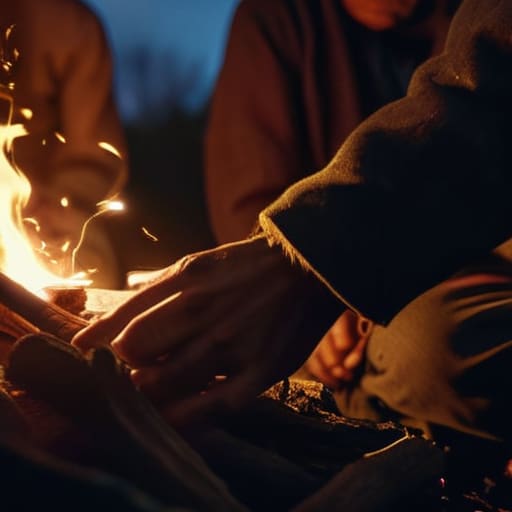
When we strip away the commercial veneer and the curated Instagram aesthetics of modern celebrations, we aren’t just left with old customs; we are left with the raw, skeletal architecture of human identity. We’ve traced the thread from the visceral symbolism of ancient rites to the profound, spiritual hunger that drives our global holidays, discovering that these moments are never truly about the spectacle. They are, instead, about the persistent need to anchor ourselves against the relentless tide of time. Whether it’s the rhythmic drumming of a seasonal rite or the quiet solemnity of a shared prayer, these festivals serve as a collective heartbeat, proving that our desire for connection is far more durable than the empires that originally birthed these traditions.
As we move further into an era defined by digital fragmentation and transient trends, I find myself looking at these traditions with a renewed, almost desperate sense of urgency. We shouldn’t view them as stagnant relics of a bygone age, but as living, breathing blueprints for how to remain human in an increasingly automated world. To participate in a ritual is to refuse to be a mere spectator in your own life; it is an act of defiance against the void. So, the next time you find yourself caught in the swell of a crowd or the quietude of a tradition, don’t just observe it. Listen to the subtext. It is telling you exactly who you are.