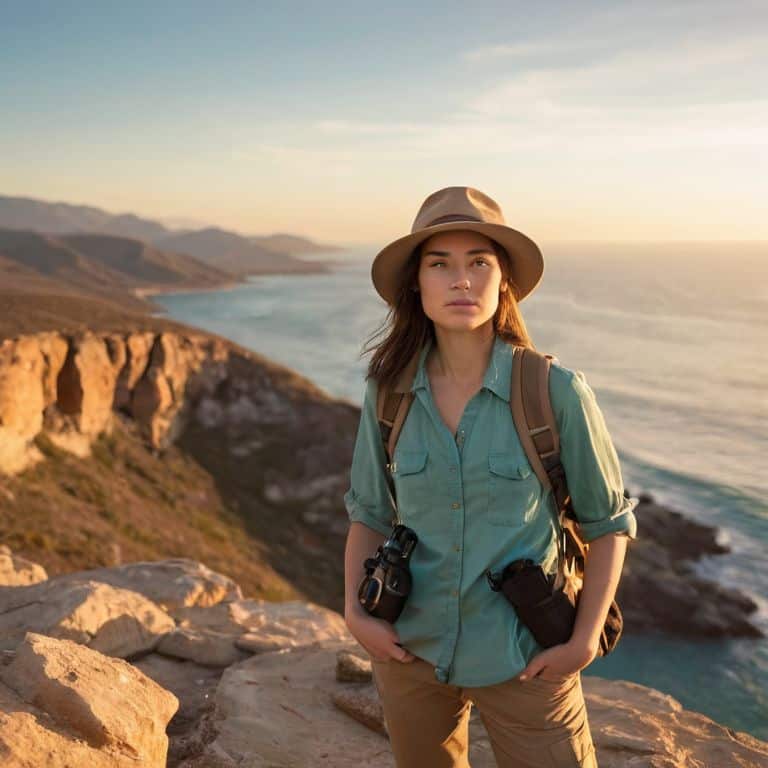
As I stood in front of the vibrant street art in a quiet alley of Medellín, I realized that how to take good photos of yourself when traveling solo is not just about the technicalities of photography, but about capturing the essence of a place and its people. The myth that solo travelers can’t take great photos of themselves is just that – a myth. I’ve learned that with a little creativity and practice, solo travelers can take stunning photos that tell a story of their adventures.
In this article, I’ll share my personal tips and tricks on how to take good photos of yourself when traveling solo, from using the surroundings to your advantage to making the most of natural light. I’ll cut through the generic advice and provide you with honest and practical guidance on how to capture photos that truly reflect your solo travel experience. Whether you’re a seasoned traveler or just starting to explore the world on your own, this guide will help you take your solo travel photography to the next level and bring back memories that will last a lifetime.
Table of Contents
Guide Overview: What You'll Need

Total Time: 1 hour to 2 hours
Estimated Cost: $0 – $100
Difficulty Level: Easy / Intermediate
Tools Required
- Smartphone (with good camera)
- Tripod (optional, for stability)
- Remote Shutter Release (or camera timer)
Supplies & Materials
- Extra Batteries (for camera or phone)
- Portable Power Bank (for charging on the go)
- Reflectors (e.g., piece of white cardboard, 8 inches x 10 inches)
Step-by-Step Instructions
- 1. First, let’s talk about preparation – before you even start taking photos of yourself, make sure you have a good understanding of your camera or smartphone’s settings and features. I like to experiment with different modes, such as portrait or landscape, to see what works best for the type of shot I’m going for. It’s also a good idea to invest in a tripod or a portable selfie stick to help you stabilize the camera and avoid shaky photos.
- 2. When it comes to choosing a location for your solo travel portraits, I always say that the less touristy, the better. Instead of heading to the most popular landmarks, try to find some hidden gems – a quiet alleyway, a local market, or a secluded spot in nature. Not only will this help you avoid the crowds, but it will also give your photos a more authentic feel.
- 3. Now, let’s talk about lighting – this is one of the most important factors in taking good photos, especially when you’re traveling solo. Natural light is always the best option, so try to take your photos during the golden hour – the hour just before sunset when the light is soft and warm. If you’re shooting during the day, look for spots with diffused light, such as under a tree or a shaded area, to avoid harsh shadows.
- 4. To add some context to your photos, try to incorporate local elements – such as traditional clothing, local food, or cultural symbols – into your shots. This will not only make your photos more interesting, but it will also give them a sense of place and culture. For example, you could try wearing a traditional outfit, holding a local instrument, or posing with a traditional dish.
- 5. When it comes to posing, I always say that less is more. Instead of trying to force a pose or a smile, try to relax and be yourself. Take a few deep breaths, and let your body naturally fall into a comfortable position. You could also try experimenting with different angles – such as shooting from above or below – to add some visual interest to your photos.
- 6. One of the biggest challenges of taking photos of yourself while traveling solo is timing – how do you capture the perfect shot when you’re the only one behind the camera? One trick I use is to set my camera to timer mode, which allows me to take a photo after a short delay. This gives me time to get into position, relax, and smile naturally.
- 7. Finally, don’t be afraid to experiment and try new things – solo travel photography is all about creativity and self-expression. Don’t be afraid to take risks, try new poses, and experiment with different settings and features. And most importantly, have fun and enjoy the process of capturing your solo travel adventures.
Capturing Solo Travel Essence
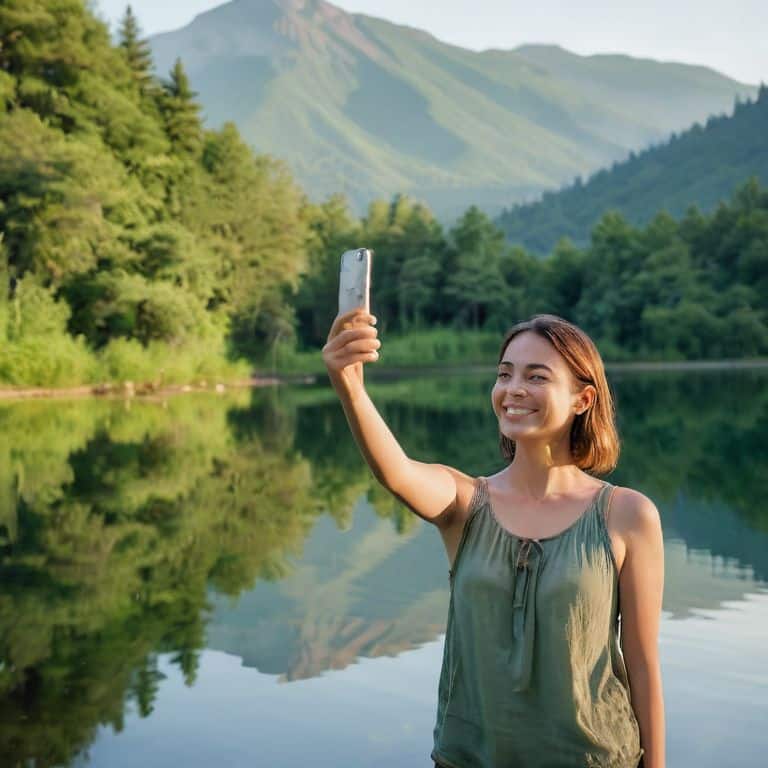
As I wander through the bustling streets of a foreign city, I find myself drawn to the authentic moments that reveal the true essence of a place. For a solo traveler, capturing these moments can be a challenge, but also a great opportunity to get creative. I’ve found that using reflections in solo travel photography can add a unique twist to my portraits, whether it’s reflecting off a window, a lake, or even a pair of sunglasses.
When it comes to posing techniques for solo travelers, I believe that less is often more. Instead of forcing a pose, I try to capture my natural movements and expressions, like walking down a street or laughing with a local. This helps to convey the sense of freedom and joy that comes with solo travel. I also experiment with different camera angles to add some visual interest to my photos, like shooting from low or high perspectives.
To take my solo travel photos to the next level, I enjoy editing solo travel photos for social media. I keep my edits simple, using a consistent filter or palette to give my photos a cohesive look. I also pay attention to the storytelling aspect of my photos, making sure that each image conveys a sense of place and emotion. By doing so, I aim to inspire others to embark on their own solo travel journeys and capture the beauty of the world around them.
Solo Traveler Photography Tips
As I wander through foreign streets, camera in hand, I’ve learned to cherish the imperfections – a slightly askew frame, a fleeting shadow, or an unexpected smile from a passerby. These organic moments often speak louder than any posed portrait. To capture the essence of a place, I try to blend in, to become a part of the scene rather than just a observer. I’ve found that using a tripod or a timer allows me to step into the frame, experimenting with different angles and expressions. And when all else fails, I’ve come to appreciate the beauty of a well-crafted selfie – a snapshot of myself, suspended in the midst of a new and unfamiliar world.
Using Reflections for Depth
As I wander through unfamiliar streets, I’ve learned to seek out reflections – not just in mirrors or windows, but in puddles, lakes, and even polished stone floors. These unexpected glimpses of myself in the environment add a layer of depth to my photos, blurring the lines between reality and reflection. I recall a misty morning in Kyoto, where I caught my silhouette in a tranquil pond, surrounded by cherry blossoms – it was as if the landscape was embracing me.
By incorporating reflections, I’m able to convey the sense of being present in a place, while also inviting the viewer to ponder the relationship between self and surroundings. It’s a subtle yet powerful technique for capturing the essence of solo travel, one that encourages me to slow down, observe, and truly immerse myself in the world around me.
Beyond the Smile: 5 Intimate Tips for Solo Travel Portraits
- Embracing the Art of Self-Timing: Mastering the delay on your camera or investing in a reliable remote shutter release can be a game-changer for solo travelers, allowing you to capture spontaneous moments without the need for a photographer
- Finding Your Reflections: Utilize reflective surfaces like windows, mirrors, or even calm waters to add depth and creativity to your self-portraits, telling a story of the place and its interaction with you
- The Beauty of Candid Moments: Instead of posing, try to capture your genuine reactions and interactions with the environment – a laugh, a moment of awe, or the simple act of savoring local cuisine can speak volumes about your journey
- Playing with Light and Shadows: Natural light is your best friend when it comes to solo travel photography; learn to chase the golden hour, use shadows to create intriguing compositions, and don’t be afraid to experiment with silhouettes against vibrant backgrounds
- Storytelling through Details: Your photographs should tell a story of the place and its people; incorporate local elements, textures, and colors into your portraits – whether it’s the intricate patterns of a traditional textile or the vibrant hues of a local market, these details will make your photos truly unforgettable
Embracing the Art of Solo Travel Photography
By embracing the beauty of solo travel photography, I’ve learned to see the world through a different lens – one that’s intimate, personal, and reflective of my own story
Using reflections, whether in windows, mirrors, or puddles, adds a layer of depth and creativity to my photos, allowing me to capture the essence of a place in a unique and captivating way
Ultimately, the goal of solo travel photography is not just to document my journey, but to tell a story that’s authentic, vulnerable, and inspiring – one that invites others to join me on this path of discovery and exploration
Beyond the Lens
The most profound portraits of solo travel are not about the photographer, but about the intersection of a moment, a place, and a sense of self – where the camera becomes a tool not to capture perfection, but to reveal the beauty in being alone, yet completely immersed.
Anika Sharma
Embracing the Solo Travel Photographer in You
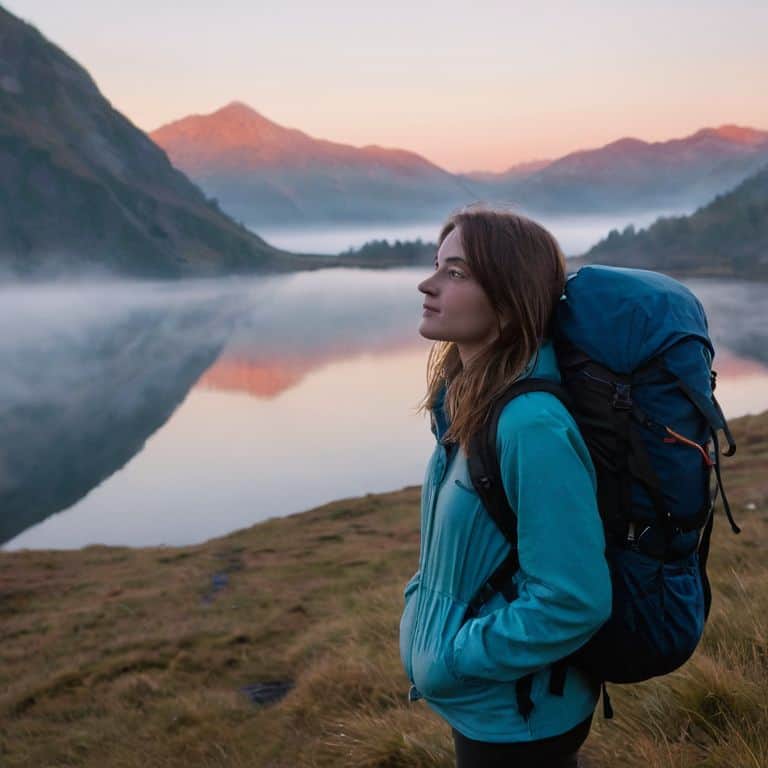
As I reflect on the journey of capturing the essence of solo travel through photography, I’m reminded of the importance of embracing your unique perspective. From the initial steps of understanding your camera to the creative techniques like using reflections for depth, it’s been a path of discovery. The key to taking good photos of yourself while traveling solo lies in being intentional with your shots, taking the time to understand what makes a place special, and not being afraid to experiment. Whether you’re a seasoned traveler or just starting out, the art of solo travel photography is a skill that can be developed with patience and practice.
As you embark on your own solo travel adventures, I hope you’ll remember that the goal of photography is not just to capture images, but to tell a story. A story of resilience, of curiosity, and of the human connections that make travel so enriching. So, don’t be afraid to get creative, to take risks, and to see the world through the lens of your camera. For in the end, it’s not just about the photos you take, but about the person you become through the process of creating them.
Frequently Asked Questions
What are some creative ways to use natural light when taking solo portraits in different environments?
I adore playing with natural light when taking solo portraits. In bustling cities, I seek out alleys or side streets with soft, filtered light, while in nature, I time my shots during the golden hour for warm, ethereal tones. Even indoors, I’ll position myself near a window or door to capture a soft, diffused glow that adds depth to my portraits.
How can I effectively use a tripod or alternative stabilizer to take sharp self-portraits while traveling alone?
For sharp self-portraits, I swear by my trusty tripod, but when that’s not feasible, I opt for alternative stabilizers like rocks, walls, or even a friendly local’s shoulder – it’s all about getting creative and experimenting with what’s available to minimize camera shake and capture the moment with clarity.
What are some tips for feeling comfortable and confident in front of the camera when taking solo travel photos, especially in crowded or unfamiliar areas?
For me, it’s about owning the moment, even in chaotic streets. I take a deep breath, remember why I’m there, and let my surroundings inspire me. A warm smile, a playful glance, or a curious pose can make all the difference – it’s not about perfection, but about capturing my genuine experience in that instant.