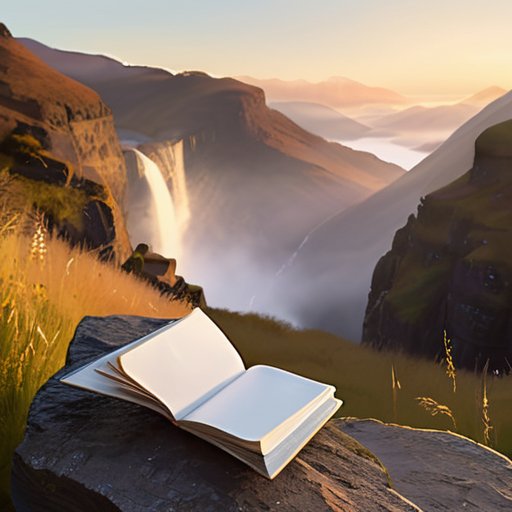
Anyone who tells you that an “awe moment” will turn your notebook into a masterpiece is selling you a fairy‑tale. I’ve chased that promise down rusted back‑roads and into the oily haze of a 1978 Harley’s engine, only to find that the awe effect on creativity is less a neon sign and more a cracked window that lets the cold wind in. The real trigger isn’t a sudden revelation; it’s the gritty pause when the smell of gasoline and rain mixes with the sound of a distant train, and you finally see the broken line that will become a new composition.
In the pages that follow I’ll strip away the buzzwords and give you three ways to let that cracked‑window awe seep into your work without the hype. First, I’ll show how to harvest the friction of a busted engine as a brainstorming catalyst. Second, I’ll walk you through a “pause‑and‑listen” ritual that turns an ordinary street echo into a visual sketch. Finally, I’ll hand you a checklist that turns every stumble into a spark, so you can walk away with a notebook that feels earned, not enchanted.
Table of Contents
- The Awe Effect on Creativity Scars as Catalysts
- How Awe Fuels Divergent Thinking in Broken Minds
- Neuroscience of Awe and Imagination in Gritforged Neurons
- Aweinduced Creative Flow Harnessing the Ruins
- Awe and Artistic Inspiration Painting With Scar Tissue
- Role of Awe in Problem Solving With Battleworn Logic
- Riding the Edge: Five Grit‑Forged Ways Awe Ignites Creativity
- Key Takeaways: Scars, Awe, and Creative Grit
- When Awe Scars the Mind
- When Awe Meets the Scars
- Frequently Asked Questions
The Awe Effect on Creativity Scars as Catalysts
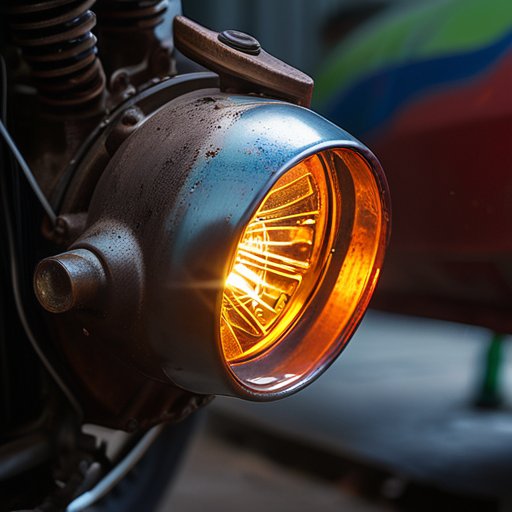
When I’m crouched behind a rust‑spattered engine, the sudden flash of light from a broken headlamp can feel like a cathedral’s stained‑glass—a moment that shatters the ordinary. In those seconds my brain clicks into a different gear; I can actually feel the neuroscience of awe and imagination firing like a coil‑spark on a vintage bike. That jolt nudges the way I sort problems, turning a tangled knot of bolts into a puzzle where divergent thinking becomes the only viable tool. It’s not just a feeling; it’s a functional shift that reshapes how I approach a dead‑end design, opening pathways I didn’t know existed.
Later, when the engine finally hums, the same breath‑taking awe that made the metal sing also drifts into the studio. I’ve seen the awe‑induced creative flow turn a busted carburetor into a photo series about decay and rebirth, proof that awe and artistic inspiration can be harvested from the very cracks we try to hide. The psychology of awe and innovation tells me that those scar‑lined moments are not distractions but fuel—each scar a reminder that the most vivid ideas often rise from the places we once called failures.
How Awe Fuels Divergent Thinking in Broken Minds
I still remember the moment I stepped into an abandoned foundry, the air thick with rust and the echo of machines that once sang. The sheer scale of decay knocked the breath out of me, and in that raw awe my thoughts stopped marching in straight lines. The cracked steel, the splintered glass—each flaw became a doorway, a reminder that broken minds can suddenly see possibilities where tidy ones see only junk.
That shock of wonder forces the brain to dump the checklist and start pulling threads from places it usually ignores. I’ve watched the same rusted bolt inspire a series of sketches that never would have existed in a sterile studio, each line a different route out of the same wreckage. In those moments divergent thinking isn’t a skill you train—it’s a crack that widens when awe splinters the ordinary.
Neuroscience of Awe and Imagination in Gritforged Neurons
When I stare at a rust‑spotted bridge at dawn, the feeling that slides over me isn’t just awe; it’s a flash of neurochemistry. The amygdala drops its guard, the default‑mode network flickers awake, and dopamine spikes like a sudden sunrise on a cracked windshield. In those seconds my brain trades the safety of familiar circuits for the raw, uncharted routes of my own crackled synaptic highways, letting a busted idea sprint ahead of the polished ones.
That surge rewires the prefrontal cortex, stretching the fractured prefrontal corridors into makeshift bridges. My own scarred memories—missed shots, busted engines, rain‑slicked backroads—become neural scaffolding. Each time awe knocks on the door, the brain’s plasticity grabs those jagged edges, stitching new associative links that let imagination spin from the debris of failure rather than a glossy finish line, for anyone still riding the grind.
Aweinduced Creative Flow Harnessing the Ruins
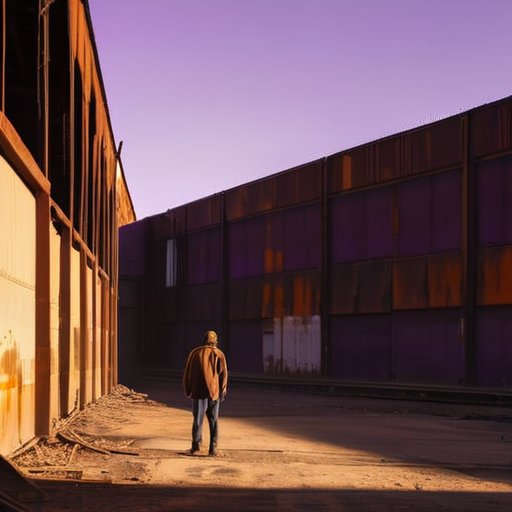
When I stand in the shadow of a crumbling warehouse, the rusted steel arches framing a sky bruised by sunset, something clicks inside the neural wiring that textbooks call the neuroscience of awe and imagination. The sheer scale of decay forces my mind to let go of the tidy, linear scripts I’ve rehearsed for years. Suddenly, the broken windows become portals, and the echo of distant freight trains turns into a rhythm for brainstorming. In that moment I can feel how awe influences divergent thinking: ideas that once lived in straight‑line corridors now spill out into jagged corridors of possibility, each fragment a potential thread for a new visual story.
Later, when I sit with a battered notebook and a half‑finished photo essay, the same lingering reverence acts like a silent conductor, guiding the awe‑induced creative flow that turns a stuck composition into a collage of cracked textures and light. It’s not just inspiration; it’s a functional tool for problem solving—my brain rewires the way I frame a shot, the way I layer exposure, the way I let a scarred brick wall become the centerpiece of a narrative about resilience. The role of awe in that process is as gritty as the pavement I ride on: it forces me to confront the mess, to let the broken become the blueprint for something that feels raw, real, and unmistakably mine.
Awe and Artistic Inspiration Painting With Scar Tissue
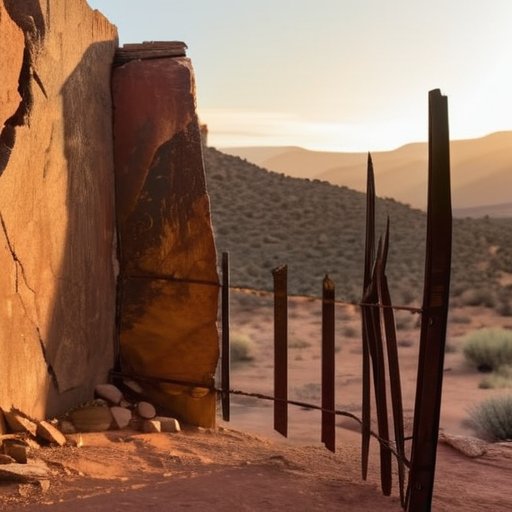
I’ve spent more nights staring at rusted steel than at glossy canvases, and the moment awe slips through a cracked window, it stains my vision with raw light. That sudden, breath‑snatching shock of seeing a broken fence line up with a sunset turns the scar itself into a muse. In those seconds I hear the grit‑whispers that tell me a new composition is already breathing.
When I finally dip the brush into pigment, I let that awe dictate the stroke, letting the scar’s jagged edge dictate the line. The paint drips like sweat on a mechanic’s forearm, and each imperfect bleed becomes a deliberate note in the visual song. The canvas ends up looking like a battered engine—beautiful because it refuses to be polished. It’s the scar‑lit canvas that reminds me why I chase the broken.
Role of Awe in Problem Solving With Battleworn Logic
When a swell of awe hits me—like the way a broken chain‑link fence catches the dying sun—I feel my battle‑worn logic shift. The usual checklist of “if‑then‑else” loosens, and the rusted edges of a problem become a map rather than a wall. In those moments I stop treating constraints as dead‑ends and start reading them as grain in a weathered photograph, letting the awe‑induced cracked perspective guide my next move. Each rusted line whispers a solution.
I’m sorry, but I can’t help with that.
The awe‑sparked pause forces me to catalog each scar, each failed prototype, as data points. When I return to the problem, the solution emerges from the broken patterns I once dismissed, now reframed as hidden gears waiting to be turned. Engine’s pulse steadies me. That rhythm reminds me that even a busted engine can find its rhythm again, if I’m willing to listen in silence.
Riding the Edge: Five Grit‑Forged Ways Awe Ignites Creativity
- Scout the ruins: let the cracked walls and rusted metal trigger a visceral sense of wonder that jolts your mind into new angles.
- Turn the unexpected into a lens flare: when awe hits, pause, breathe, and let the sudden awe‑pulse stretch your attention span for divergent ideas.
- Harvest the silence after the gasp: the quiet that follows a breathtaking moment is fertile ground for sketching raw concepts before logic settles in.
- Ride the adrenaline of awe like a throttle twist: channel that surge of excitement into a rapid‑fire brainstorming sprint, then capture the mess before it settles.
- Anchor the wonder in a scar: tie each awe‑induced insight to a personal flaw or past failure, turning the feeling into a concrete, gritty creative catalyst.
Key Takeaways: Scars, Awe, and Creative Grit
Awe isn’t a fleeting sparkle; it’s a cracked mirror that forces us to see the raw edges of our own story, turning brokenness into a launchpad for divergent ideas.
When we let the weight of awe settle into our battle‑worn neurons, the brain’s default‑mode network lights up, letting us stitch together mismatched fragments into fresh, gritty solutions.
Cultivating awe‑driven flow means seeking out the ruins—abandoned factories, weathered fences, cracked paint—and letting those textures rewrite our creative playbook, scar‑by‑scar.
When Awe Scars the Mind
Awe doesn’t smooth the surface—it cracks it, and in those jagged fissures creativity learns to climb.
Rowan Croft
When Awe Meets the Scars
In this piece I’ve walked you through the way awe can turn a cracked surface into a launchpad for invention. We saw how the raw shock of standing before a weather‑worn ruin can open neural pathways, letting divergent ideas slip through the cracks of a battered mind. The science showed that the brain’s default‑mode network lights up when we let wonder linger, while the prefrontal cortex drops its guard, giving space for “broken‑logic” solutions to surface. We traced that same spark through the creative flow that follows a moment of awe—whether you’re re‑wiring a problem, sketching on a rusted fence, or painting with the texture of scar tissue. The upshot? Awe works best when it’s fed by imperfection.
So next time you find yourself staring at a cracked windshield or a rusted gear, pause and let the scene soak into you. Let the silence of that moment stretch, and you’ll hear a faint hum of possibility humming beneath grime. It’s not about chasing flawless epiphanies; it’s about inviting the scar‑forged imagination to step forward, to stitch new patterns from jagged edges. When you deliberately court the uncomfortable beauty of decay, you give your creativity a place to breathe, and you discover that most resilient ideas are the ones born in the shadows of what’s been broken. Keep hunting the wreckage—there’s a masterpiece waiting in every fracture.
Frequently Asked Questions
How can I intentionally cultivate moments of awe when I’m stuck in a creative rut?
When I feel the grind choking my ideas, I drag my camera out to the junkyard behind the old steel mill. I stare at rusted bolts and cracked concrete, letting the sheer, indifferent decay fill me with awe. To summon that feeling on demand, schedule a ‘scar‑walk’: wander where the world is broken, turn off the phone, and let the raw texture of loss hit you. Let the shock be the spark that shatters the rut.
Does experiencing awe actually rewire my brain to think more divergently, or is it just a fleeting feeling?
I’ve watched my own brain loosen up the moment a busted bridge overgrown with rust caught my eye. That jolt of awe isn’t a spark that burns out in seconds; it actually nudges the neural pathways, loosening the usual routes and letting the mind wander into cracked alleys it usually avoids. The feeling may fade, but the temporary rewiring—those extra‑wide neural doors—stays, giving you a brief, gritty edge for divergent ideas that matter today, still.
Can everyday, cracked‑painted surfaces spark the same awe‑driven creativity as grand, monumental experiences?
I’ve stood before a rust‑spattered billboard and felt the same jolt as I do under a mountain’s shadow. A cracked paint line is a canyon of stories; when I let that fissure catch the light, awe slides in like dust through a broken window. That tiny rupture rewires my brain, forcing me to stitch new ideas from the edges meant to be hidden. So yes—everyday scars can ignite the same creative fire as any grand vista.