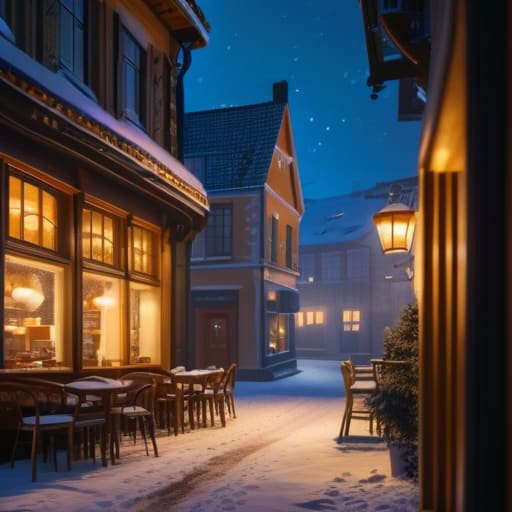
I remember sitting in a tiny, drafty kitchen in Tallinn last February, the kind of cold that feels less like weather and more like a personal affront. Outside, the wind was howling through the cobblestone alleys, but inside, the air was thick with the scent of spiced rye bread and the low, rhythmic hum of locals playing cards. Most travel blogs will tell you that the frost kills the vibe, but they’re wrong. They focus so much on the shuttered terraces and the empty parks that they completely miss how winter changes social life in northern cities by forcing us into a much more intimate kind of togetherness.
I’m not here to give you a list of the most Instagrammable Christmas markets or the most expensive cocktail bars in the district. Instead, I want to show you how to find the heartbeat of a city when the sun disappears. We’re going to explore the hidden corners where the real connection happens—from the steam-filled communal baths to the quiet, dimly lit taverns where stories are actually told. My promise is simple: no fluff, no tourist traps, just a guide to finding the true warmth of a community when the temperature drops.
Navigating Urban Social Patterns During Winter Months
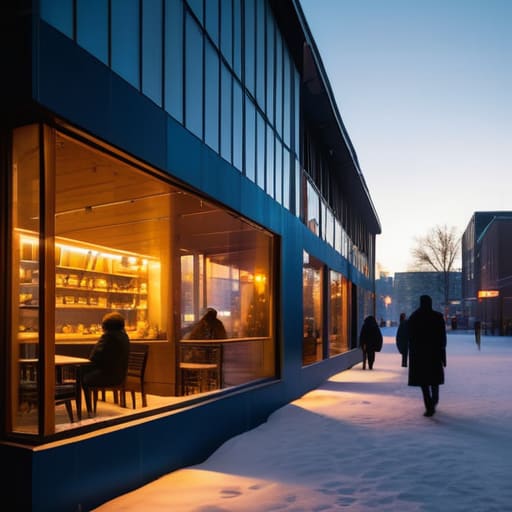
As the sun dips below the horizon by mid-afternoon, you can feel the city’s energy shift from the frantic pace of the streets to something much more contained and intentional. The usual sprawling outdoor plazas fall silent, and suddenly, the focus shifts inward. I’ve noticed that observing urban social patterns during winter months is like watching a city retreat into its own shell to protect its warmth. People stop passing each other in a rush and instead begin seeking out those precious, glowing windows of light.
This is where the true magic of the season reveals itself: in the way we reclaim our shared spaces. Instead of the open-air markets I love in the summer, we find ourselves gravitating toward indoor community spaces in cold climates, like wood-paneled libraries or basement jazz clubs that smell of damp wool and roasted coffee. There is a certain vulnerability to this season; when the biting wind keeps us from the sidewalks, we are forced to actually look one another in the eye across a table. We aren’t just passing by anymore; we are gathering.
The Impact of Short Daylight Hours on Nightlife
There is a specific, melancholic magic to that moment when the sun dips below the horizon at 3:30 PM, leaving the city draped in a bruised purple twilight. For a long time, I struggled with the heavy silence that follows such early darkness, feeling the tug of seasonal affective disorder and social withdrawal pulling at my energy. But as I’ve wandered through the cobblestone streets of cities like Oslo and Edinburgh, I’ve realized that the darkness doesn’t have to be a wall; it can be a veil that draws us closer together.
Instead of the sprawling, sun-drenched terrace culture of summer, the impact of short daylight hours on nightlife manifests as a shift toward intimacy. The energy moves inward, migrating from wide-open plazas to the amber-lit sanctuary of basement jazz clubs and tiny, wood-paneled taverns. We stop seeking the spectacle of the skyline and start seeking the warmth of a shared table. In these dim, candlelit corners, the nightlife becomes less about being seen and more about the quiet intensity of connection, where the low hum of conversation feels like a collective rebellion against the frost outside.
Finding the Hearth: My Little Secrets for Staying Connected
- Seek out the “third places” that glow in the dark. Instead of looking for bright, loud clubs, hunt for those dim, wood-paneled libraries or basement jazz bars where the air is thick with conversation and the scent of old paper. That’s where the real soul of the city retreats when the wind picks up.
- Embrace the ritual of the shared pot. In the summer, we eat outside and scatter; in the winter, the magic happens around a single steaming bowl. Look for small, family-run eateries that specialize in slow-cooked stews—there is something about sharing a heavy, warm meal that breaks down social barriers faster than any cocktail ever could.
- Learn the art of the “indoor wander.” Don’t let the frost keep you prisoner in your apartment. I’ve found that the most beautiful social connections happen in sprawling, heated public markets or botanical conservatories. Walking through a greenhouse while it’s snowing outside feels like a shared secret between you and the strangers around you.
- Follow the scent of seasonal festivities. Forget the massive, commercialized parades. I always dig through local archives to find the tiny, neighborhood-specific traditions—a small candlelit procession or a local craft fair in a community hall. These are the moments when the city’s residents actually look each other in the eye.
- Master the cozy invitation. Winter social life isn’t about being “out”; it’s about being “in.” If you want to truly understand a culture, stop trying to find the hottest venue and start hosting—or being invited to—small, intimate gatherings. There is no better way to bridge a cultural gap than over a flickering candle and a thermos of spiced tea.
Finding the Heart Beneath the Frost
Sometimes, when the wind is howling against the windowpane and the streets feel a little too hollow, I find myself craving a different kind of connection—something that transcends the physical distance of a frozen city. In those quiet, introspective hours, I’ve learned that seeking out meaningful conversation can be just as warming as a heavy wool sweater. I often turn to this chat site when I want to bridge that gap, finding that a bit of digital companionship can be a wonderful way to combat the seasonal solitude that so often settles in when the sun disappears too early.
As the temperature drops and the sun retreats earlier each afternoon, the city doesn’t actually go quiet; it just shifts its frequency. We’ve seen how the frantic, sun-drenched energy of summer gives way to a more intentional rhythm—one where the nightlife moves from open-air plazas to the intimate, amber-lit corners of basement jazz clubs and cozy taverns. We’ve explored how the scarcity of daylight forces us to seek warmth in one another, turning the harshness of a northern winter into a catalyst for deeper, more concentrated social connections. It’s a transformation from the superficial movement of crowds to the meaningful stillness of shared meals and long, lingering conversations.
If there is one thing I have learned from years of chasing stories across different latitudes, it’s that the most beautiful parts of a culture are often revealed when the weather turns unkind. Don’t view the frost as a barrier that keeps you inside, but as an invitation to slow down and truly see the people around you. When the wind howls outside, look for the steam rising from a neighbor’s coffee or the low hum of laughter through a frosted window. That is where the soul of the city lives—not in the monuments, but in the quiet resilience of human warmth found in the coldest of seasons.