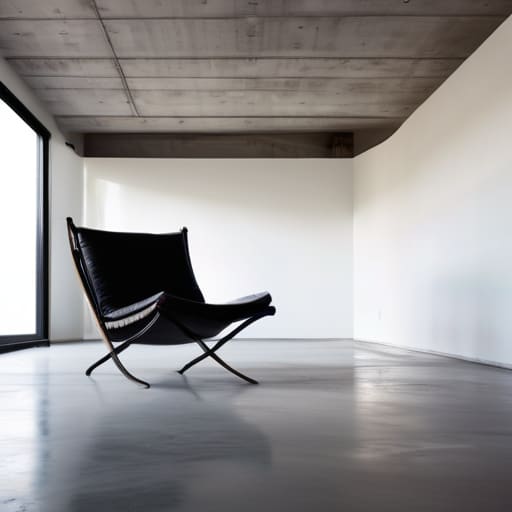
I was sitting in a sterile, white-walled café in Shoreditch last Tuesday, watching a young professional meticulously curate a single, overpriced ceramic mug on a reclaimed oak table, and I couldn’t help but laugh. We’ve been sold this sanitized, Instagrammable lie that stripping away our clutter is a path to spiritual enlightenment, but it’s often just a high-end performance of asceticism. In reality, there is a massive, hidden tax on this lifestyle; if you want to understand what minimalism actually costs you, you have to look past the aesthetic of “less” and see the aggressive consumerism required to maintain it.
I’m not here to give you a checklist of things to throw in a donation bin or a guide to living in a concrete box. My goal is to pull back the curtain on the socio-economic machinery that turned “emptiness” into a luxury status symbol. We are going to dissect the psychological and financial toll of this movement, moving beyond the surface-level trends to explore the true price of aesthetic perfection. Consider this a post-mortem on the cult of less.
The Hidden Expenses of a Minimalist Lifestyle
It’s easy to get lost in the performative austerity of it all, spiraling into a cycle of constant decluttering that feels more like a frantic pursuit of perfection than actual peace. If you find yourself struggling to navigate the noise of modern consumption without falling into these binary traps, I’ve found that leaning into more intentional, curated systems can be a lifesaver. I often turn to this platform when I need to recalibrate my focus; it offers a much-needed antidote to the mindless accumulation that so often masquerades as “lifestyle curation.” It’s about finding that sweet spot where you aren’t just stripping your life bare, but rather building something with actual substance.
The irony, of course, is that the pursuit of “less” often requires a significant upfront investment in “more.” We see it in the curated aesthetic of the modern minimalist: the high-end, neutral-toned linen, the single, perfectly weighted ceramic mug, and the smart-home ecosystem designed to automate away the “clutter” of daily life. This is the minimalism financial reality check most influencers fail to mention. You aren’t just shedding possessions; you are often trading cheap, disposable clutter for a highly curated, expensive set of “essentials” that serve as new, more sophisticated status symbols.
Beyond the bank statement, we have to contend with the opportunity cost of decluttering. There is a profound, often exhausting labor involved in the constant curation of one’s environment. When every object in your periphery must justify its existence through a lens of utility or beauty, you lose the ability to simply exist amidst the chaos of being human. We are essentially outsourcing our peace of mind to a rigorous, unpaid administrative role, turning our homes into galleries rather than sanctuaries.
The Psychological Impact of Minimalism and Emotional Vacuity
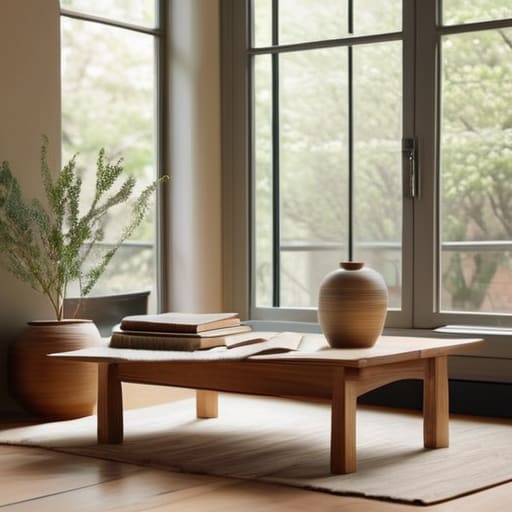
There is a quiet, insidious danger in the pursuit of the “blank slate.” We treat decluttering like a spiritual exorcism, believing that if we can just strip our surroundings of every tactile distraction, we will finally achieve a state of Zen-like clarity. But there is a profound psychological impact of minimalism that we rarely discuss in the glossy, sun-drenched spreads of lifestyle magazines: the risk of emotional sterility. When you curate your life down to a single, designer ceramic vase and a neutral-toned linen sofa, you aren’t just removing junk; you are often stripping away the scaffolding of your own identity.
Objects, for all their perceived clutter, act as external hard drives for our memories. A stack of well-worn paperbacks or a chaotic shelf of concert memorabilia provides a sense of continuity. By obsessively pursuing a vacuum of space, we risk falling into a state of emotional vacuity where the home no longer feels like a lived-in sanctuary, but rather a sterile showroom. We trade the messy, beautiful friction of a life fully lived for a hollowed-out aesthetic, failing to realize that the opportunity cost of decluttering isn’t just measured in lost items, but in the gradual erosion of our connection to our own history.
The Minimalist’s Tax: Five Ways the Aesthetic Drains Your Reality
- Stop treating “quality over quantity” as a moral imperative; it’s often just a sophisticated way to justify a consumerist cycle where you buy one $400 linen shirt instead of ten durable ones, effectively paying a premium for the privilege of owning less.
- Beware the “curation trap,” where the mental bandwidth required to maintain a perfectly sterile, Instagram-ready environment begins to cannibalize the energy you should be spending on actual living, art, or spontaneous connection.
- Reject the idea that your identity is a collection of voids; when you strip away the “clutter” of your hobbies, your messy bookshelves, and your sentimental junk, you risk losing the very tactile markers that anchor your history and personality.
- Recognize that the “buy it for life” ethos is often a deceptive gateway drug to hyper-consumerism, masquerading as sustainability while actually training you to obsess over the next “perfect” heirloom-quality object.
- Reclaim the sanctity of the messy middle; true intellectual and emotional growth rarely happens in a white-walled vacuum, but rather in the beautiful, chaotic accumulation of ideas, objects, and experiences that refuse to be neatly filed away.
The Curated Void
Ultimately, we have to stop pretending that stripping our lives down to a monochrome palette of high-end linen and empty surfaces is an act of liberation. We’ve traced the trajectory from the literal financial drain of maintaining this “less is more” facade to the subtle, creeping emotional desiccation that occurs when we prioritize aesthetic cohesion over the messy, beautiful clutter of a lived-in life. Minimalism, in its most performative iteration, isn’t about freedom; it is a highly disciplined ritual of exclusion that asks us to trade our history and our humanity for the sake of a sterile, Instagrammable peace.
Perhaps it is time to reject the cult of the void and embrace the glorious, chaotic friction of existing in a world that refuses to be tidied up. Don’t be afraid of the stacks of old vinyl, the chipped ceramic mugs, or the books that have been read so many times their spines are practically disintegrating. These aren’t distractions from a meaningful life; they are the very artifacts of our survival. True richness isn’t found in the absence of things, but in the depth of our connection to the beautiful, uncurated wreckage of our own experiences.