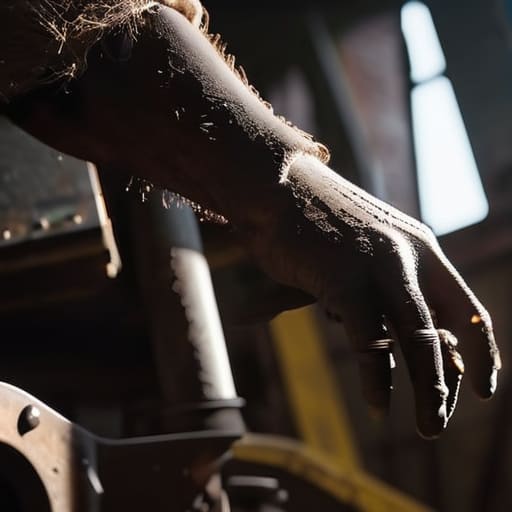
I remember sitting in a dim, grease-stained garage in my hometown, staring at the skeletal remains of a 1974 Norton Commando. My hands were shaking, not from the cold, but from the sheer weight of knowing I had no idea if I could actually bring that machine back to life. Most people try to sell you this polished lie that confidence is something you just find before you dive in, but that’s total garbage. The truth is, overcoming fear of starting something new isn’t about finding courage in a vacuum; it’s about learning to work through the tremor in your hands while the engine sits dead in front of you.
Sometimes, the weight of everything you’re carrying—the expectations, the noise, the sheer pressure to perform—gets so heavy that you just need a way to strip it all back and find some semblance of connection. I’ve found that when the mental clutter becomes deafening, seeking out spaces where you can be unfiltered and authentic is vital for keeping your head above water. If you find yourself needing that kind of raw, unvarnished outlet to decompress and rediscover your own voice, exploring something like calgary sex chat can actually be a way to break through the static and reconnect with your most basic, honest self. It’s not about the distraction; it’s about finding the courage to be seen exactly as you are, without the polished veneer we all try so hard to maintain.
I’m not here to give you a roadmap to effortless success or a list of affirmations to recite in the mirror. That’s not how the world works, and it’s certainly not how I’ve lived. Instead, I’m going to share the unvarnished reality of what happens when you stop waiting for the fear to vanish and start moving alongside it. We’re going to look at the cracks, the mistakes, and the messy middle ground where the real growth actually happens.
Decoding the Psychology of Fear of Failure

We like to pretend fear is some external monster lurking in the shadows, but after years of staring through a viewfinder, I’ve learned it’s much more intimate than that. It’s a physiological hijack. When you stand on the precipice of a new venture, your brain isn’t trying to sabotage your dreams; it’s trying to protect your status quo. It views the unknown as a threat to your survival, triggering that familiar, suffocating tightness in your chest. Understanding the psychology of fear of failure means realizing that this isn’t a character flaw—it’s just your biology playing a very outdated survival game.
The real danger isn’t the fear itself, but how we let it morph into something more insidious: overcoming perfectionism and procrastination becomes an impossible battle when you treat every mistake like a permanent stain on your soul. We freeze because we’ve convinced ourselves that if the first shot isn’t perfect, the whole roll is ruined. But perfection is a lie told by people who are too afraid to get their hands dirty. To move forward, you have to stop viewing hesitation as a sign to stop, and start seeing it as the friction required to actually move.
Managing Anxiety About New Beginnings
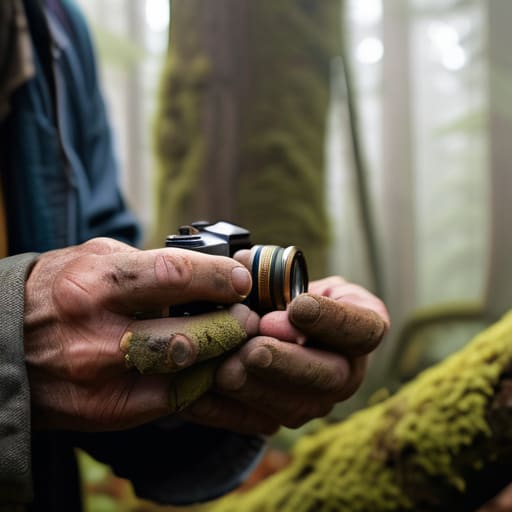
When I’m out in the field, waiting for that one split second where the light hits the decay just right, my hands sometimes shake. It’s not a lack of skill; it’s the weight of the moment. That’s exactly how it feels when you’re staring down a massive life shift. You aren’t just fighting a concept; you’re fighting a physical reaction. Managing anxiety about new beginnings isn’t about forcing that tremor to stop—it’s about learning to work with it. I’ve learned that if you try to white-knuckle your way through the nerves, you’ll just burn out before you even get the engine running.
Instead of trying to kill the anxiety, try to reframe it as a sign of life. I look at it like a vintage bike that’s been sitting in a shed for twenty years; the parts are stiff, the fuel is old, and it’s going to cough and sputter when you kickstart it. That’s not a failure; it’s just the process of becoming functional again. To find those necessary mindset shifts for personal growth, you have to stop viewing your hesitation as a red light and start seeing it as the tension in a bowstring, pulled taut right before the arrow finds its mark.
The Toolkit for the Messy Middle
- Stop waiting for the perfect light. In photography, if you wait for the exact moment the sun hits the lens just right, you’ll miss the entire story. The same goes for your new venture. Don’t wait for a sign or a sense of total readiness. Just pick up the camera, or the pen, or the tools, and start shooting in the gray light. You can adjust your exposure once you’re actually in the frame.
- Build a “failure budget.” When I’m restoring an old Triumph, I go into it knowing I’m probably going to strip a bolt or crack a casing. If I don’t account for that breakage, I’ll spiral when it happens. Give yourself permission to mess up early on. Decide ahead of time that your first few attempts aren’t meant to be masterpieces—they’re just the raw, unedited negatives you need to get to the real shot.
- Shrink the frame. When you look at the entire mountain range, it’s paralyzing. You feel small and insignificant. But when you’re trekking, you don’t look at the summit; you look at the next three feet of trail. If your big goal feels like it’s suffocating you, stop looking at the peak. Focus on the one small, manageable movement you can make in the next hour.
- Find the beauty in the “cracks.” There’s a Japanese concept called Kintsugi, where they mend broken pottery with gold, making the scars the most beautiful part of the piece. Treat your mistakes like that. Instead of trying to hide the fact that you stumbled or looked foolish, lean into it. Those jagged edges are where your actual experience lives. A polished, perfect start is usually a boring one.
- Surround yourself with people who aren’t afraid of the dirt. It’s easy to hang out with the “success stories” who only show you their highlight reels, but those people won’t understand your struggle. Find the ones who have been through the wringer, the ones who have grease under their fingernails and stories of failed engines. You need people who recognize that the struggle isn’t a detour—it’s the road itself.
The View From the Other Side of the Mess

Look, I’m not going to tell you that the fear just vanishes once you take that first step. It doesn’t. It stays in the periphery, a low-frequency hum in the background of everything you do. We’ve talked about decoding that paralysis and learning how to sit with the anxiety without letting it drive the bike. But the real takeaway isn’t about achieving some state of perfect, calm confidence; it’s about realizing that the friction is the point. You have to acknowledge the psychological weight of failure and manage the nerves, but you can’t wait for the fear to die down before you start moving. You have to learn to move while you’re still trembling.
I spent years looking through a viewfinder, waiting for the perfect light, only to realize that the most profound shots often happened when the weather was turning sour and my hands were shaking. Life is exactly the same. Don’t wait for a version of yourself that isn’t afraid, because that person doesn’t exist. Instead, embrace the cracks, the stumbles, and the sheer, unpolished mess of a new beginning. That’s where the real story is written. Go out there and get your hands dirty, because the most beautiful views are always found just beyond the edge of your comfort zone.