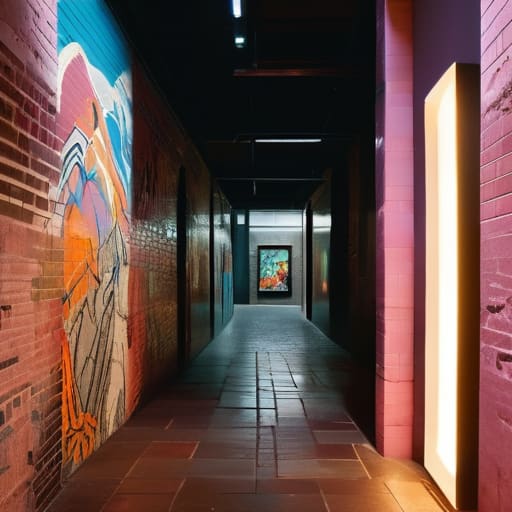
I remember standing in a drafty, overpriced gallery in Soho back in ’96, nursing a lukewarm cider and listening to a curator drone on about the “transcendental purity” of a minimalist canvas. Meanwhile, just three blocks away in a basement club, a local band was playing a set so raw and visceral it felt like it was physically rearranging my DNA. It’s that exact friction—the snobbery that insists a museum piece holds more soul than a basement punk show—that fuels the tired, academic debate regarding the difference between high and low art. We’ve been conditioned to believe that “high art” requires a PhD to decode, while “low art” is just mindless consumerism, but that distinction is a carefully constructed lie designed to keep the gatekeepers in power.
I’m not here to give you a dry lecture or a list of definitions you could find in any dusty textbook. Instead, I want to strip away the pretension and look at the actual cultural pulse of what we consume. I promise to dissect how these categories overlap, how they collide, and why a well-crafted sitcom might actually tell us more about our collective psyche than a silent sculpture ever could.
The Cultural Hierarchy in Aesthetics Who Holds the Gavel
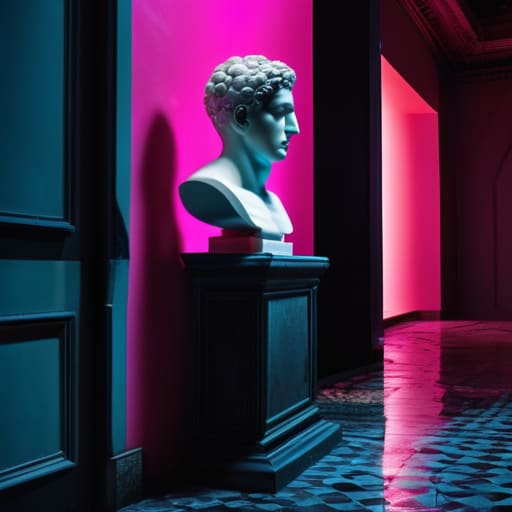
So, who actually gets to sit in the judge’s seat and decide what’s “sublime” and what’s just… clutter? For centuries, the gavel has been held by an elite cadre of critics, curators, and academics—the gatekeepers of the canon. This isn’t some objective measurement of beauty; it is a rigged game of aesthetic theory and social class. We’ve been conditioned to believe that a marble bust demands reverence while a neon-soaked pop poster is merely disposable junk. But let’s be honest: these distinctions were never about the quality of the brushstroke. They were about who had the leisure time to contemplate it and the capital to own it.
When we look at the tension between mass production vs unique masterpieces, we’re really looking at a battlefield of legitimacy. The hierarchy insists that the singular, hand-crafted object is sacred, while the infinitely reproducible artifact is “low.” It’s a way of protecting the sanctity of the upper echelons. Yet, as I’ve seen from the gritty, DIY zines of the 90s to the viral aesthetics of today, the most honest reflections of our collective psyche often bypass the museum entirely, thriving instead in the beautiful, messy chaos of the streets.
Fine Art vs Pop Culture the Battle for Cultural Relevance
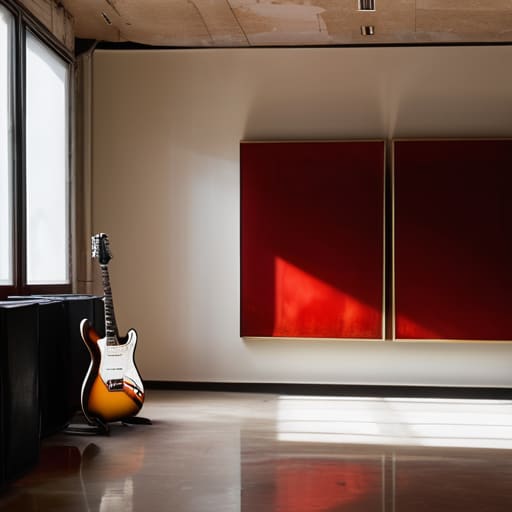
When we pit fine art vs pop culture against one another, we aren’t just debating taste; we are litigating a class war that has been raging since the first gallery doors slammed shut in the faces of the “unwashed” masses. The traditionalists will tell you that a Rothko demands a certain silence, a sacred stillness that can only be found in a climate-controlled museum. But I’ve spent too many nights in sweaty, basement venues to believe that truth only resides in oil on canvas. There is a profound, visceral honesty in a pop anthem or a grainy, cult-classic film that a pristine sculpture often lacks.
The tension usually boils down to the friction between mass production vs unique masterpieces. We’ve been conditioned to believe that if something can be replicated—if it can be downloaded, streamed, or printed on a thousand t-shirts—it must be inherently “lesser.” It’s a convenient lie that keeps the gatekeepers in power. In reality, the evolution of contemporary art has proven time and again that the most potent cultural lightning bolts often strike in the most “disposable” mediums. We need to stop treating the museum and the street as if they speak different languages.
Navigating the Divide: How to Stop Being a Cultural Snob (and Start Being a Critic)
- Look past the price tag. Don’t mistake a million-dollar canvas for profound truth just because it’s hanging in a climate-controlled room in Chelsea; sometimes, the most visceral, soul-crushing commentary on the human condition is found in a three-minute lo-fi punk track or a grainy, low-budget horror flick.
- Trace the lineage of influence. To truly understand the “high art” of today, you have to acknowledge its bastard children—the pop culture movements it borrowed from, the kitsch it tried to sanitize, and the street aesthetics it eventually tried to colonize.
- Question the gatekeepers. Whenever you feel that sudden, unearned sense of superiority while looking at a sculpture, ask yourself: Who decided this was ‘elevated’ and who decided that subway graffiti was ‘vandalism’? Follow the money and the institutional power, and you’ll find the real boundary.
- Prioritize emotional resonance over academic jargon. If a piece of “high art” requires a forty-page manual just to make you feel something, and a “low art” sitcom makes you weep for the absurdity of existence, trust your gut—not the syllabus.
- Seek the synthesis. The most interesting cultural moments happen in the friction between the two. Stop trying to pick a side and start looking for where the avant-garde meets the mainstream; that’s where the real pulse of the era is actually beating.
Beyond the Velvet Rope
At the end of the day, the wall we’ve built between the museum and the street is more of a psychological construct than a structural reality. We’ve spent centuries obsessing over whether a canvas belongs in a gilded frame or if a melody belongs on a grainy radio broadcast, but in doing so, we often miss the forest for the trees. Whether it’s the meticulous brushwork of a Baroque masterpiece or the raw, jagged energy of a lo-fi indie track, both are merely vessels for the human condition. The distinction between “high” and “low” isn’t about quality; it’s about who is allowed to decide what matters.
So, I challenge you to stop looking for permission to find meaning in the “mundane.” Don’t wait for a critic or a PhD to tell you that a piece of pop art or a viral meme is worthy of your contemplation. The true pulse of our era isn’t found in the sterilized halls of academia, but in the messy, beautiful collision of everything we consume. We need to stop treating culture like a tiered cake and start seeing it as a unified, chaotic landscape. After all, the most profound truths are often found in the places we were taught to look away from.
If you find yourself spiraling down these rabbit holes—trying to untangle whether a piece of street art carries the same weight as a canvas in the Louvre—you might find that the best way to sharpen your eye is through sheer, unadulterated immersion. I’ve always found that the most profound insights don’t come from a dusty textbook, but from observing the friction where subcultures collide with the mainstream. For anyone looking to better navigate the nuances of contemporary style and the aesthetic shifts that define our current moment, I often find myself leaning on the curated perspectives found at www.casualtexas.com; it serves as a decent compass for those of us trying to decode the visual language of the world around us without losing our sense of critical skepticism.