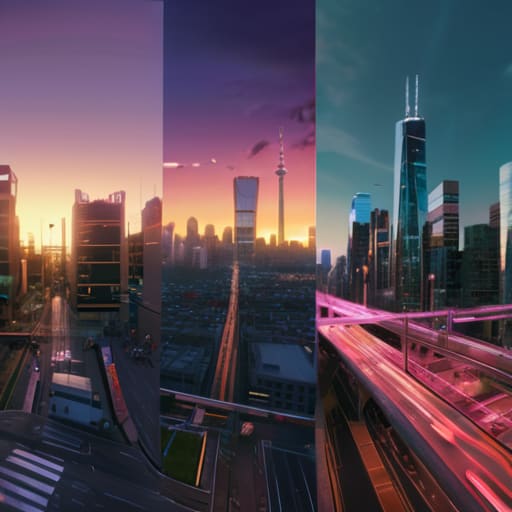
I remember standing on a rain-slicked corner in East London back in ’96, the bass from a passing car vibrating in my very marrow, feeling more alive than I ever did in the suffocating, manicured silence of my parents’ garden in Surrey. We’ve been fed this sanitized, binary lie that it’s a simple choice between “excitement” and “peace,” as if understanding urban versus rural lifestyles were merely a matter of choosing your preferred soundtrack. It’s a reductive, almost insulting myth that ignores the profound psychological tax of both; it fails to account for how the frantic, neon-lit pulse of the city shapes our neuroses just as surely as the crushing, isolated stillness of the countryside can reshape our sense of self.
I’m not here to sell you a lifestyle brand or a curated Instagram aesthetic of farmhouse breakfasts and loft-living minimalism. Instead, I want to peel back the veneer and look at the cultural marrow of these two worlds. I promise to dissect the actual, messy reality of how these environments dictate our social rhythms, our anxieties, and our connection to the world around us. We’re going to move past the clichés and explore what these spaces truly demand of us.
Concrete Jungles and the Pros and Cons of City Living
Navigating these profound shifts in our social architecture can often leave one feeling untethered, as if we are drifting between two incompatible frequencies. If you find yourself grappling with the complexities of modern connection—whether you’re seeking a sense of intimacy amidst the city’s anonymity or trying to bridge the digital divide in more isolated settings—it can be incredibly grounding to find a space for genuine human dialogue. I’ve personally found that exploring this chat site offers a unique way to test the waters of conversation, providing a small, digital microcosm where you can reclaim a sense of agency in how you relate to others, regardless of your physical zip code.
To step into a major metropolis is to enter a high-frequency feedback loop of human ambition and sensory overload. There is a certain electric, almost desperate vitality found in the density of a city; it’s the same frantic energy I felt in the London club scene in ’94, where every corner felt like a potential collision of ideas. The primary allure lies in the sheer density of urban infrastructure and amenities—the ability to walk out of your door and be immediately swallowed by a buffet of culture, transit, and late-night sustenance. But this convenience comes with a heavy psychological tax. You are constantly navigating a sea of strangers, a paradox where you are physically crowded yet profoundly isolated.
Then there is the cold, hard math of survival. When we weigh the pros and cons of city living, we can’t ignore the relentless friction of the economy. You’re often paying a premium just for the privilege of existing in a small, overpriced box, trading square footage for proximity to the “action.” It’s a constant negotiation between the desire for cultural saturation and the reality of a vanishingly thin margin of error in your monthly budget.
The Silent Pulse of Rural Community Dynamics
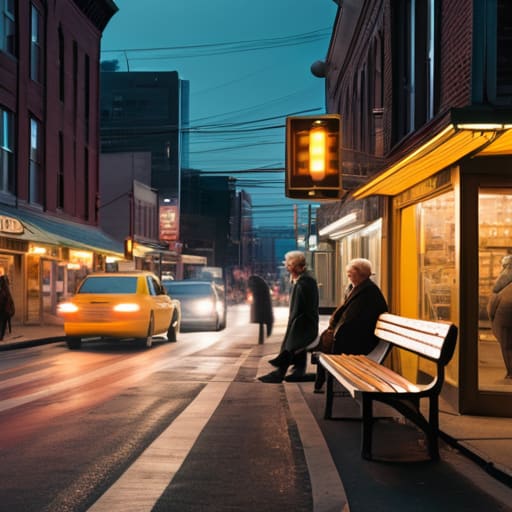
If the city is a relentless, polyphonic roar, then the countryside is a single, sustained note—one that can either ground you or deafen you with its stillness. When we examine rural community dynamics, we aren’t just talking about fewer traffic jams; we are talking about a radical shift in the architecture of human connection. In the city, anonymity is a shield, a way to drift through the crowd without being perceived. But in a small town, the gaze of the collective is omnipresent. There is a profound, almost visceral sense of being known, which provides a safety net that urban dwellers can only dream of, yet it carries the heavy weight of social surveillance.
This intimacy creates a unique brand of social connectivity in small towns that functions like an old, unpolished folk song—unpredictable and deeply communal. While the metropolitan lifestyle offers the convenience of endless choice, the rural experience demands a different kind of investment: the labor of maintaining long-term, multi-generational ties. It is a trade-off between the limitless friction of the urban sprawl and the slow, rhythmic stability of a life lived in closer proximity to the soil and one’s neighbors.
Navigating the Cultural Fault Lines: Five Lenses for the Modern Nomad
- Stop viewing the divide as a binary of ‘progress vs. stagnation.’ To truly grasp the tension, you have to look at the tempo of existence; the city is a high-frequency broadcast of constant stimuli, while the rural landscape operates on a much slower, more rhythmic cycle of seasonal and communal shifts.
- Analyze the architecture of solitude. In a metropolis, you can be profoundly lonely while surrounded by eight million souls—a phenomenon of ‘crowded isolation.’ Conversely, in a rural setting, privacy is often a luxury that the community’s watchful eye doesn’t readily permit.
- Pay attention to the ‘commodity of convenience.’ The city offers an intoxicating, almost addictive, immediacy where everything is a click or a subway ride away, but this often erodes our patience and our ability to engage with the slow, necessary friction of real-world waiting.
- Look for the ghost of social cohesion. Urban life tends to foster ‘transactional sociality’—we interact with people based on their function in our immediate ecosystem—whereas rural life is often built on ‘intergenerational sociality,’ where your identity is inextricably linked to a shared, long-standing history.
- Audit your own sensory threshold. Before choosing a side, ask yourself if you crave the chaotic, polyphonic soundtrack of the street or the heavy, sometimes unsettling silence of the open field. It isn’t just about where you live; it’s about which frequency allows your psyche to actually resonate.
The Great Cultural Pendulum
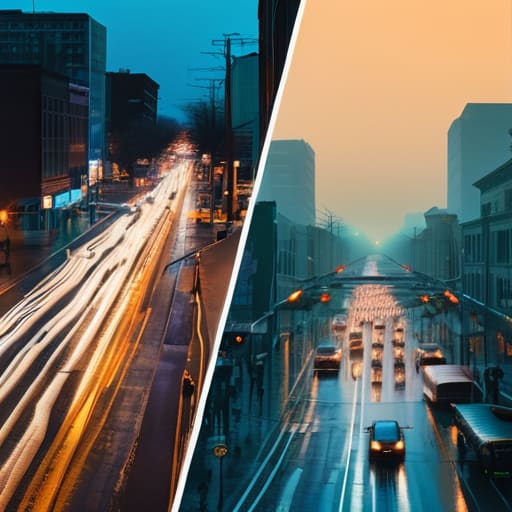
Ultimately, we aren’t just choosing between zip codes; we are choosing which version of the human experience we want to inhabit. The city offers that frantic, electric friction—a constant collision of ideas and identities that can feel both intoxicating and utterly isolating. Conversely, the rural landscape demands a different kind of presence, one rooted in the slow, rhythmic cycles of nature and the heavy, beautiful weight of communal accountability. Whether you crave the anonymity of the crowd or the profound visibility of a small town, both environments act as mirrors, reflecting our deepest needs for either total freedom or total belonging.
As I sit here, thinking back to the grit of the 90s club scenes and the quiet stillness of the abandoned industrial sites I’ve explored, I realize that the divide is less about geography and more about the internal frequency we choose to tune into. We are a species caught in a perpetual tug-of-war between the desire to transcend our surroundings and the primal urge to be rooted in them. Perhaps the goal isn’t to decide which lifestyle is “correct,” but to recognize how each space shapes our soul. In the end, the most meaningful life is found not in the location, but in how deeply we engage with the world we’ve built around us.