If you’ve spent more than five minutes scrolling through wellness Instagram, you’ve likely seen someone peddling a $200 “longevity elixir” claiming it’s the secret to reversing aging. Let’s be clear: most of those expensive tinctures are nothing more than overpriced sugar water with a fancy label. Real cellular senescence mitigation isn’t found in a boutique supplement bottle; it’s a complex biological process involving how your body manages “zombie cells” that refuse to die and instead linger to cause inflammation. I spent fifteen years in a lab watching how stress and metabolic dysfunction drive this decay, and I can tell you that the marketing hype is almost always lying to you.
I’m not here to sell you a miracle cure or a subscription to a lifestyle cult. My goal is to strip away the pseudoscience and give you the actual, evidence-based levers you can pull to keep your cells from retiring early. We’re going to talk about practical interventions—the kind that actually move the needle on your biological age—without the unnecessary fluff. Consider this your no-nonsense roadmap to slowing down cellular decay using science that actually works.
Table of Contents
- Decoding Sasp Inflammatory Signaling Without the Hype
- Monitoring Biological Aging Biomarkers in Your Daily Life
- Five Science-Backed Moves to Keep Your Cells from Retiring Early
- The Bottom Line: Making Senescence Work for You
- The Reality of Cellular Aging
- The Long Game: Moving Beyond the Hype
- Frequently Asked Questions
Decoding Sasp Inflammatory Signaling Without the Hype

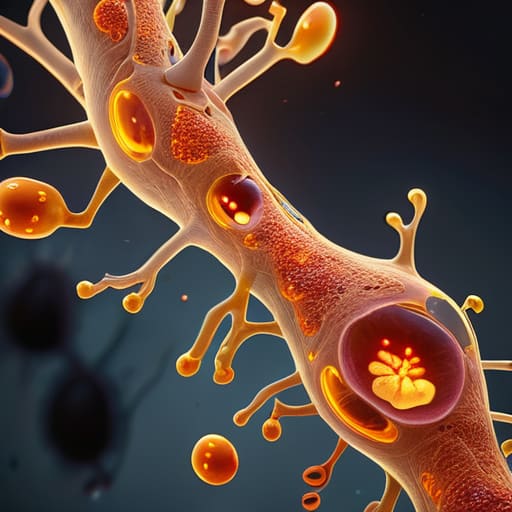
Now, let’s strip away the marketing gloss and talk about what’s actually happening under the microscope. When a cell enters senescence, it doesn’t just quietly retire like a peaceful gardener. Instead, it enters this hyper-active, almost frantic state where it begins pumping out a cocktail of pro-inflammatory proteins, cytokines, and growth factors. This is what we call SASP inflammatory signaling—the Senescence-Associated Secretory Phenotype. Think of these cells like broken, noisy neighbors who refuse to move out, instead blasting heavy metal music at 3:00 AM. The problem isn’t just that one cell has stopped dividing; it’s that the “noise” it creates starts irritating all the healthy cells nearby, triggering a localized inflammatory firestorm.
If this signaling goes unchecked, it creates a domino effect. This chronic, low-grade inflammation is a primary driver of mitochondrial dysfunction and aging, effectively polluting your internal environment. It’s not just about one cell being “old”; it’s about the systemic chemical chaos that follows. Understanding this mechanism is crucial because it shifts our focus from simply “anti-aging” to actually addressing the biological mess these cells leave behind.
Monitoring Biological Aging Biomarkers in Your Daily Life

Now, I know that keeping track of these biomarkers can feel like a full-time job, and frankly, you shouldn’t have to spend your weekends squinting at blood panels to understand your own biology. If you’re looking for a way to simplify the way you approach your health and lifestyle, I’ve found that leaning on curated, high-quality resources can save you a massive amount of mental bandwidth. For instance, checking out casual west midlands. has been a great way to find practical perspectives that cut through the usual noise. It’s about finding those reliable shortcuts that allow you to focus on the actual implementation of these habits rather than getting lost in the data entry.
Now, I know what you’re thinking: “Alistair, I don’t have a multimillion-dollar lab in my basement to track my protein expression.” And you shouldn’t. While the industry loves to sell you expensive, flashy kits claiming to measure your exact biological age, most of those are just high-priced guesswork. Instead, I want you to focus on the proxies that actually tell a story about your internal environment. Pay attention to your resting heart rate and heart rate variability (HRV). If you notice a persistent downward trend in your HRV alongside unexplained fatigue, your body might be signaling that your systems are struggling with the metabolic load of mitochondrial dysfunction and aging.
Think of these metrics as your personal “canary in the coal mine.” You aren’t looking for a single data point; you’re looking for patterns. Are you recovering from a simple trail run as quickly as you did six months ago? Is your sleep architecture fragmenting? These are practical, real-world indicators of how your body is handling oxidative stress. By tracking these subtle shifts, you can move away from the “magic pill” mentality and start making adjustments to your lifestyle before the cellular damage becomes a much larger, more difficult problem to manage.
Five Science-Backed Moves to Keep Your Cells from Retiring Early
- Stop chasing “miracle” longevity supplements and focus on metabolic flexibility. Your cells thrive when they aren’t constantly swimming in a sea of glucose; periodic fasting or time-restricted feeding helps trigger autophagy, which is essentially your body’s internal cellular cleanup crew.
- Prioritize heavy, compound movements over endless, low-intensity cardio. While I love a good trail run to clear my head, muscle tissue is a massive endocrine organ that helps regulate systemic inflammation—one of the primary drivers of those nasty senescent cells we talked about.
- Get your hands dirty, literally. There is a growing body of evidence suggesting that diverse microbial exposure—whether through gardening or spending time in old-growth forests—helps calibrate our immune systems, preventing the chronic, low-grade inflammation that signals cells to enter senescence.
- Fix your sleep hygiene or stop wasting your money on expensive antioxidants. Most of the “anti-aging” powders you see on Instagram are useless if you aren’t getting the deep, restorative sleep required for the glymphatic system to flush metabolic waste out of your brain.
- Manage your cortisol spikes with intention. High levels of chronic stress act like a corrosive acid on your telomeres; you don’t need a mountain retreat to fix this, just consistent, evidence-based nervous system regulation like physiological sighs or deliberate breathwork to prevent your cells from hitting the “panic” button.
The Bottom Line: Making Senescence Work for You
Stop chasing “miracle” anti-aging supplements; focus instead on the heavy hitters like metabolic health and sleep hygiene that actually disrupt the SASP inflammatory cycle.
Treat your biological age as a moving target rather than a fixed destiny, using consistent biomarker tracking to adjust your lifestyle interventions in real-time.
Prioritize systemic inflammation reduction through evidence-based nutrition and movement, rather than falling for expensive, unproven wellness trends that promise to “reset” your cells.
The Reality of Cellular Aging
“We need to stop treating ‘anti-aging’ like it’s a magical elixir you can swallow in a gummy vitamin. In reality, mitigating senescence isn’t about chasing youth; it’s about managing the biological ‘trash’ your cells leave behind so your system doesn’t end up drowning in its own inflammatory signaling.”
Dr. Alistair Finch
The Long Game: Moving Beyond the Hype

We’ve covered a lot of ground, from the messy reality of SASP signaling to the practical ways you can track your own biological markers. If there is one thing I want you to take away from this, it’s that mitigating cellular senescence isn’t about chasing a “fountain of youth” supplement or some miracle pill advertised by an influencer. It’s about systemic management. By focusing on metabolic health, reducing chronic inflammation, and keeping a watchful eye on your biomarkers, you aren’t just fighting aging—you are actively optimizing your cellular environment to ensure your body remains a resilient home rather than a decaying one.
I know it can feel overwhelming when you realize how much is happening at a microscopic level, but don’t let the complexity paralyze you. I’ve spent decades staring at neurons and cellular pathways, and I can tell you that the brain and body are remarkably adaptive. You don’t need to overhaul your entire existence overnight. Start with one science-backed habit—maybe it’s better sleep hygiene or more consistent zone 2 training—and build from there. Aging is an inevitable biological process, but how you age is largely written by the small, consistent choices you make every single day. Let’s get to work.
Frequently Asked Questions
If I start implementing these lifestyle changes, how long will it actually take before I see a measurable difference in my biological markers?
That’s the million-dollar question, isn’t it? I wish I could tell you that a week of clean eating and better sleep would flip a switch in your DNA, but biology doesn’t work on a sprint schedule. Generally, you’re looking at a three-to-six-month window before significant shifts show up in your biomarkers. Think of it like training for a trail run; you don’t see the physiological adaptations after one mile, but consistency eventually pays off.
Are there specific supplements or "senolytic" compounds that actually have clinical backing, or is most of what I see on social media just expensive urine?
Look, I get it. Your feed is likely flooded with “miracle” longevity pills that cost more than a decent pair of trail running shoes. To be blunt: most of it is, indeed, expensive urine. While compounds like Quercetin and Dasatinib show real promise in lab settings for clearing out those “zombie cells,” we’re still waiting on robust, long-term human clinical trials. Don’t chase the hype; focus on the fundamentals until the science catches up.
Can I actually reverse the damage already done to my cells, or is this purely a strategy for slowing down future decay?
It’s the million-dollar question, isn’t it? Here’s the honest truth, straight from the neurobiology: we aren’t talking about a magical “undo” button. Once a cell has fully transitioned into a senescent state, it’s effectively retired. However, we can absolutely intervene in the damage cascade. By targeting the inflammatory signals those “zombie cells” emit, we can prevent healthy neighbors from following suit. It’s less about reversing the past and more about aggressively reclaiming your biological future.