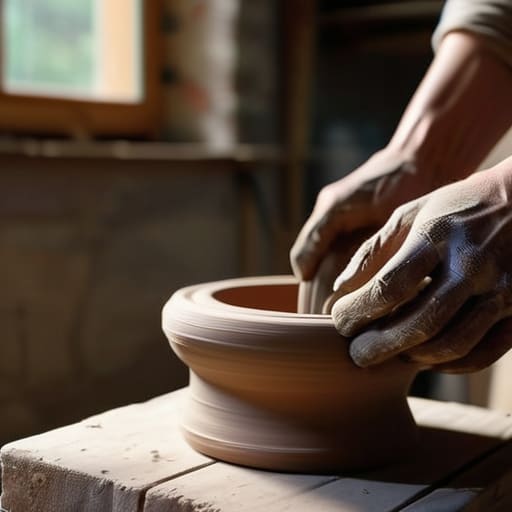
I remember wandering through a rain-slicked alleyway in East London back in ’96, hunting for a specific pressing of a shoegaze record, when I stumbled into a tiny, dimly lit studio where a man was hand-tooling leather. There was no polished branding, no algorithmic recommendation, just the visceral scent of tannins and the rhythmic strike of a hammer. It was a stark, beautiful contrast to the sterile, plastic-wrapped world that was already beginning to swallow us whole. Nowadays, when people search for how to support local artisans, they’re often met with a curated, high-priced aesthetic that feels more like a lifestyle brand than a genuine connection to craft. It’s become this sanitized, Instagrammable performance that actually strips the soul out of the very thing it claims to celebrate.
I’m not here to sell you on some performative, boutique-shopping fantasy. Instead, I want to offer a gritty, honest roadmap for reclaiming the human element in our consumption. I’ll be sharing the practical, boots-on-the-ground methods I’ve learned over decades of navigating subcultures, moving past the hype to show you how to actually sustain the creators who keep our cultural fabric from fraying.
The Soul of the Object Benefits of Buying Handmade Goods
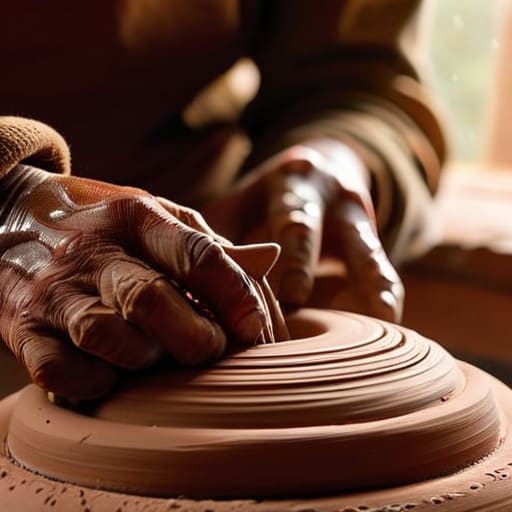
There is a specific, almost tactile melancholy in a mass-produced object—a sense that it was born in a sterile factory, devoid of any intention or human struggle. When you hold something crafted by hand, you aren’t just holding a product; you are holding a fragment of someone’s time and obsession. The benefits of buying handmade goods lie in this inherent friction between the maker and the material. Whether it’s the slight irregularity in a ceramic glaze or the uneven stitch of a leather bag, these “imperfections” are actually the fingerprints of a human soul. They serve as a quiet rebellion against the smooth, characterless vacuum of late-stage capitalism.
By supporting small scale makers, we engage in a form of cultural preservation that goes far beyond mere commerce. We are keeping specific, often dying, lineages of skill alive. Every time I stumble upon a hidden workshop or wander through the chaos of finding local craft markets, I feel like I’m uncovering a layer of the city that the algorithms have tried to pave over. It’s an act of reclaiming our connection to the physical world, ensuring that our surroundings are shaped by human hands rather than programmed precision.
Finding Local Craft Markets Hunting for Cultural Authenticity
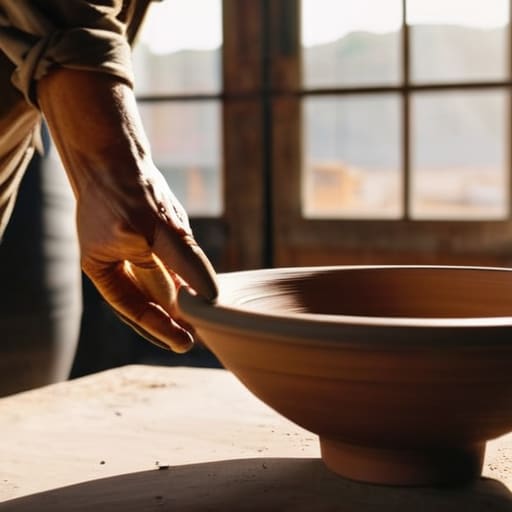
If you want to find the real heartbeat of a city, you don’t look at the polished glass of a shopping mall; you look for the weekend pop-up markets tucked into repurposed industrial warehouses or sun-drenched community squares. Finding local craft markets is less about a shopping trip and more akin to a field study in urban anthropology. There is a visceral, almost electric difference between scrolling through a sterile algorithm and standing three feet away from a ceramicist whose hands are still stained with the very clay they’ve shaped. In these spaces, the transaction is secondary to the conversation—the exchange of stories that give the object its weight.
When you commit to supporting small scale makers in these settings, you aren’t just acquiring a product; you are participating in a quiet act of resistance against the frictionless, soul-deadening convenience of global e-commerce. I’ve spent my fair share of Saturday mornings wandering through these labyrinths of woodsmoke and textiles, and I can tell you: the unfiltered human connection found there is the ultimate antidote to our digital isolation. It’s where the local economy stops being a dry economic metric and starts feeling like a living, breathing ecosystem.
The Curated Resistance: Five Tactics for Cultivating a Local Aesthetic
- Stop treating shopping like a mindless algorithm. When you engage with a local maker, you aren’t just “buying a product”; you are entering into a dialogue. Ask them about their process, the provenance of their materials, and why they chose that specific medium. Understanding the why transforms a mere transaction into a meaningful connection to the human hands behind the object.
- Leverage your digital footprint for more than just doomscrolling. If you stumble upon a potter or a woodworker whose work resonates with your soul, don’t just “like” the post and vanish into the void. Share their work. Write a thoughtful comment. In the attention economy, a genuine shout-out to a local creator is a form of digital street art that helps them bypass the corporate gatekeepers.
- Look past the polished veneer of the “aesthetic” Instagram feed. Real craftsmanship is often found in the grit—the small, unglamorous studio spaces, the niche community workshops, or the slightly chaotic corner of a weekend makers’ market. Seek out the creators who are still figuring out their voice; there is a raw, unmediated energy in emerging craft that big-box retailers can never replicate.
- Prioritize longevity over the dopamine hit of the “new.” We’ve been conditioned by a culture of planned obsolescence to crave the cheap and the disposable, but that’s a trap that erodes our connection to the material world. Invest in the piece that is built to age, to patina, and to carry the scars of use. A handmade tool or a hand-woven textile is an heirloom in waiting, a silent protest against the disposable era.
- Become a patron, not just a consumer. If you find an artist whose vision aligns with your own, consider how you can support their ecosystem more deeply. This might mean commissioning a custom piece that fits your specific life, or simply making them your first stop when you need a gift. We have to move away from the “fast fashion” mindset and toward a model of intentional stewardship for the people who actually keep our culture’s heartbeat steady.
The Final Cut: Why the Choice Matters
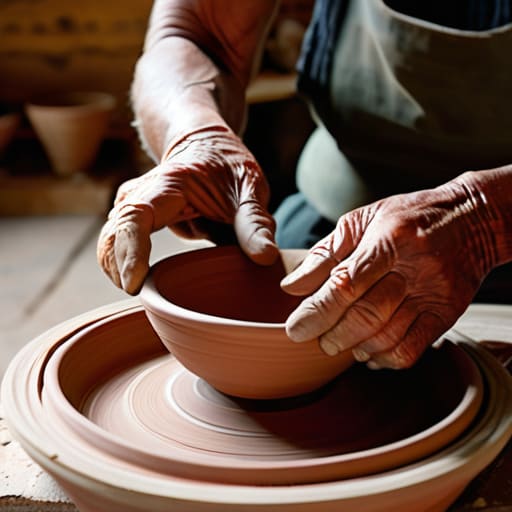
Ultimately, choosing to bypass the sterile aisles of a big-box retailer in favor of a local maker is about more than just procurement; it is a deliberate act of cultural curation. We’ve traced the journey from recognizing the inherent soul within a handmade object to the thrill of the hunt in those tucked-away urban markets that serve as the last bastions of true character. When we invest in these artisans, we aren’t just buying a product; we are funding the preservation of human skill and ensuring that the tapestry of our local identity doesn’t unravel into a grey, indistinguishable blur of mass-produced plastic.
I often think back to the 90s indie scene, where the most profound movements weren’t born in boardrooms, but in the grit and sweat of small, localized spaces. Supporting the local maker is the modern equivalent of that grassroots rebellion. It is a way to reclaim our agency in an era of overwhelming digital abstraction and mindless consumption. So, the next time you find yourself at a crossroads between convenience and craft, remember that your wallet is a powerful tool of cultural resistance. Choose the object with a story, the maker with a name, and help us keep the pulse of our living history beating loud and clear.
Of course, the hunt for these pockets of authenticity can feel a bit isolating if you’re navigating it alone, almost like trying to find a rare B-side in a sea of digital noise. I’ve found that the real magic happens when you stop treating consumption as a solitary act and start viewing it as a way to reconnect with a living community. If you find yourself craving more than just a transaction—if you want to actually discuss these cultural shifts or find others who value the tactile over the mass-produced—tapping into a Canada chat community can be an incredible way to find your people. It’s about finding that shared pulse of human connection that the algorithm-driven world so desperately tries to strip away from us.