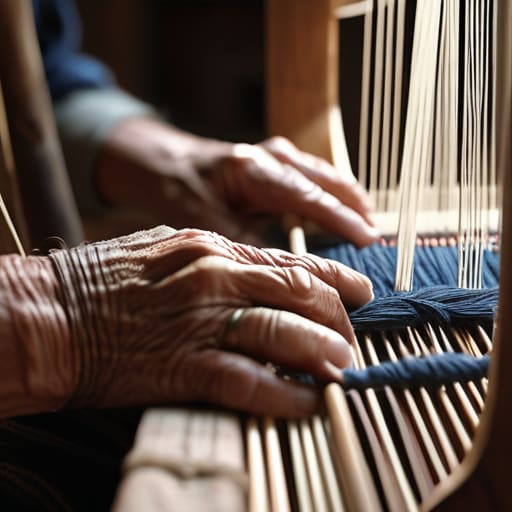
I remember sitting in a cramped, dimly lit basement flat in Manchester back in ’94, surrounded by the frantic energy of a burgeoning indie scene, only to find myself staring, mesmerized, at a fraying tapestry draped over a radiator. While my peers were obsessed with the next distorted guitar pedal, I was struck by the realization that every knot and dyed thread was a silent manifesto of the hands that made them. We’ve been sold this sanitized, boutique version of craft—the kind you see in overpriced lifestyle magazines—that treats the basics of traditional textile arts as some sort of precious, untouchable hobby for the elite. It’s a lie. In reality, these techniques aren’t just “decor”; they are the visceral, rhythmic leftovers of human survival and social identity.
I’m not here to give you a sterile, academic lecture or a list of expensive supplies you don’t need. Instead, I’m going to strip away the pretension and look at the raw mechanics of how these traditions actually function. We are going to dissect the fundamental building blocks of weaving, dyeing, and spinning, treating them not as quaint relics, but as powerful tools for expression in an increasingly digital, disposable world.
The History of Hand Weaving Techniques as Social Code
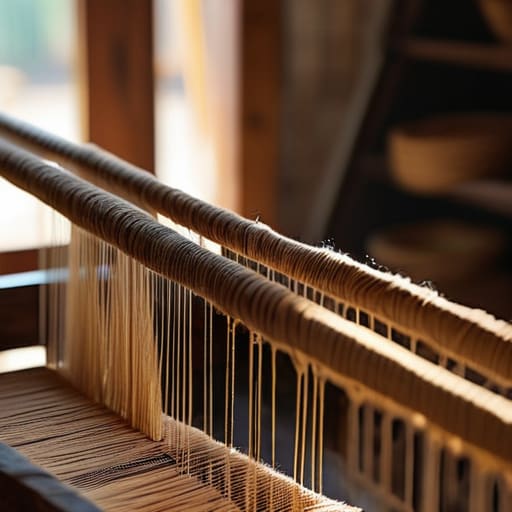
To understand the history of hand weaving techniques, you have to stop viewing the loom as a mere tool and start seeing it as a primitive, rhythmic printing press for identity. Long before we had the luxury of mass-produced, soul-crushing fast fashion, a person’s lineage, status, and even their political allegiances were woven directly into the warp and weft of their garments. In many pre-industrial societies, a specific geometric pattern wasn’t just a “design choice”—it was a visual dialect. If you were walking through a village in the Andes or a highland settlement in Scotland, the tension of a thread or the specific intersection of a weave told you exactly who that person was and where they belonged in the social hierarchy.
This wasn’t just aesthetic; it was a survival mechanism of cultural continuity. When we examine the cultural significance of fabric arts, we see that these patterns functioned as a silent language, a way to archive history without a single drop of ink. Through the meticulous repetition of certain motifs, communities could signal tribal boundaries or mourning periods, turning every piece of cloth into a living document of human experience.
Decoding the Cultural Significance of Fabric Arts
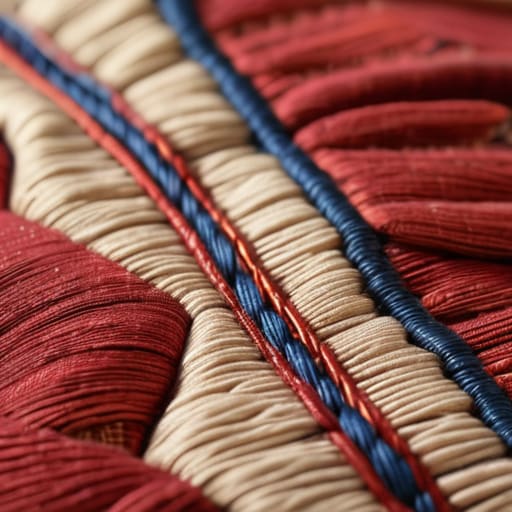
To understand the cultural significance of fabric arts, we have to move past the quaint, “cottagecore” aesthetic that dominates our current digital feeds. We aren’t just talking about making something pretty for a mantelpiece; we are talking about a visual language that predates the written word. When we look at the intricate geometry of traditional embroidery methods, we aren’t just seeing decorative flourishes—we are reading a map of lineage, geography, and status. A specific stitch pattern in a rural village isn’t just an aesthetic choice; it is a defiant assertion of identity in a world that constantly seeks to homogenize us.
This is where the tactile reality of the craft meets the soul of the maker. Whether it is the slow, meditative rhythm of natural fiber dyeing processes or the sheer physical labor required to transform raw wool into something structured, these acts are a rebellion against our current era of planned obsolescence. In my years covering the grunge scene, I saw how subcultures used fashion to scream their discontent; textile arts do the same, just more quietly, through the very materiality of existence. Every thread is a testament to a human hand refusing to be replaced by a machine.
Beyond the Loom: How to Actually Engage with the Material World
- Stop treating the medium as a mere commodity; to understand a textile, you must first interrogate its provenance. Before you even touch the fiber, ask yourself: who grew this, who spun it, and what kind of labor—physical or political—is woven into its very tension?
- Develop a tactile literacy that transcends the visual. We live in an era of digital flatness, but traditional arts demand a sensory reckoning. You need to learn the “hand” of a fabric—the weight, the grit, the way a natural dye interacts with light—because the soul of the work resides in its physical resistance to your touch.
- Respect the rhythm of the process over the speed of the result. In my days covering the grunge scene, it was all about the raw, unpolished authenticity; textile arts are no different. If you’re rushing to finish a pattern, you’re missing the meditative, almost ritualistic cadence that defines the craft.
- Study the geometry of the pattern as a language, not just a decoration. Every motif in traditional weaving is a semiotic marker, a shorthand for something much larger—a lineage, a landscape, or a suppressed history. If you aren’t reading the pattern, you aren’t actually seeing the art.
- Embrace the “beautiful error.” In a world obsessed with the sterile perfection of machine-made precision, the slight irregularity of a hand-spun thread is where the humanity lives. Don’t aim for the vacuum of industrial perfection; aim for the intentionality of the human hand.
The Loom and the Legacy
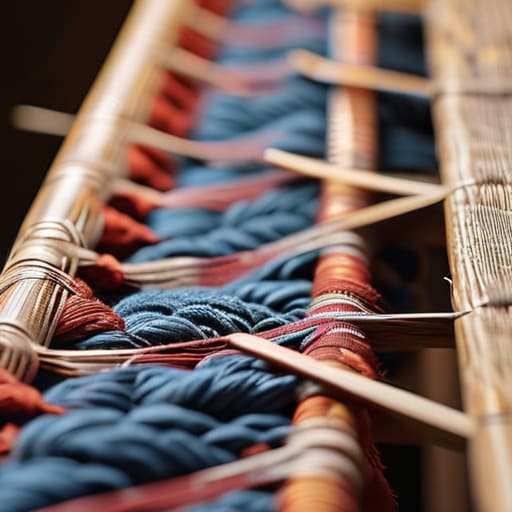
To understand the basics of traditional textile arts is to realize that we aren’t just talking about thread and tension; we are talking about the very architecture of human identity. We’ve traced how hand-weaving functioned as a silent, rhythmic social code and how every intricate pattern served as a vessel for cultural memory, long before we had the luxury of digital archives. These techniques are not mere “crafts” to be relegated to the dusty corners of a hobbyist magazine; they are tangible manifestations of survival and status, encoded into every warp and weft. When we strip away the modern obsession with the instant and the disposable, we find that these textiles are actually the most enduring manuscripts we possess.
So, as we move further into an era defined by the ephemeral glow of screens and the sterile perfection of mass production, I challenge you to look closer at the fabrics that surround you. Whether it is a hand-loomed shawl or a piece of heritage embroidery, recognize it for what it truly is: a radical act of preservation. By engaging with these ancient methods, we aren’t just looking backward; we are reclaiming a sense of tactile humanity that the modern world is all too eager to let slip through its fingers. Don’t just observe the pattern—listen to the story it’s trying to tell.
If you’re finding yourself lost in the dizzying labyrinth of patterns and provenance, I suggest you don’t try to untangle it all in isolation. I’ve found that the most profound insights often come from engaging with the living pulse of local subcultures, where these ancient rhythms still collide with modern grit; for instance, exploring the raw, unvarnished energy found through bronx MILF can offer a startlingly visceral lesson in how identity is woven into the very streets we walk. It’s about finding that unfiltered connection between the thread and the person holding the needle, because without the human element, we’re just staring at dead fabric.