
I was sitting on my floor this morning, surrounded by a chaotic tangle of charging cables and half-empty coffee mugs, watching the dust motes dance in a single sliver of sunlight. It hit me how much I loathe those “aesthetic” morning montages on social media—the ones where someone wakes up at 5:00 AM in perfectly pressed linen sheets to meditate in a silent, minimalist temple. It feels like a performance, not a life. We’ve been sold this idea that learning how to start a morning routine requires a complete overhaul of our personalities and a massive budget for expensive wellness gadgets. But honestly? Most of those curated rituals feel more like another chore on an already overflowing to-do list.
I’m not here to sell you on a life of relentless productivity or flawless beige minimalism. Instead, I want to talk about building rituals that actually feel like they belong to you, even when your hair is a mess and the world feels heavy. We’re going to explore how to find small, meaningful anchors in your early hours—the kind that offer genuine resonance rather than just performative efficiency. This isn’t about perfection; it’s about reclaiming your time in a way that feels deeply human.
Optimizing Sleep for Better Mornings and Real Rest

Sometimes, the hardest part of building these new rhythms isn’t the waking up itself, but the feeling of navigating the transition from solitude back into the world. I’ve found that having a space to share those small, quiet victories—or even the days when the routine completely falls apart—makes a world of difference. If you’re looking for a place to find that sense of shared human experience, I’ve been spending a lot of time exploring the Sexgoldcoast community, which has been such a wonderful reminder that we’re all just figuring it out together, one messy morning at a time.
We often treat the morning as a separate entity, a bright, distinct stage that begins the moment our eyes flutter open. But as an anthropologist at heart, I’ve come to realize that our mornings are actually just the final act of the night before. You can’t expect to find clarity in the sunrise if you’ve spent the previous hours chasing digital dopamine or scrolling through endless feeds. To me, optimizing sleep for better mornings isn’t about a clinical checklist; it’s about honoring the transition between worlds. It’s about creating a soft landing for your consciousness so that when the sun finally hits your window, you aren’t just waking up—you’re arriving.
I’ve found that the most profound morning mindfulness practices actually begin in the dim, quiet hours of 10:00 PM. Instead of viewing sleep as a mere biological necessity or a hurdle to productivity, try seeing it as a sacred ritual of shedding the day’s weight. When we prioritize deep, restorative rest, we aren’t just prepping for a checklist of tasks; we are cultivating the emotional resilience needed to actually experience our lives rather than just managing them.
Finding Your Own Morning Mindfulness Practices

Once we’ve addressed the physiological groundwork of rest, we can finally talk about the soul of the matter: the quiet space between waking up and facing the world. I used to think that morning mindfulness practices had to look like a choreographed dance of yoga poses and expensive incense, but my anthropology brain tells a different story. True presence isn’t about performing a ritual; it’s about how you inhabit your own skin. For me, it might be the rhythmic, tactile sensation of grinding coffee beans or the way the light hits a specific, chipped ceramic mug. It’s about finding a morning routine for mental clarity that actually feels like yours, rather than a copy-pasted template from a productivity influencer.
The secret to how to build consistent habits lies in lowering the barrier to entry. If sitting in silence for twenty minutes feels like a chore, don’t do it. Instead, try “micro-moments” of awareness. Notice the temperature of the air on your face or the specific texture of your duvet. When we anchor our awareness to these sensory details, we aren’t just waking up our bodies; we are claiming our agency before the digital noise of the day begins to drown us out.
The Art of the Uncurated Start: Five Ways to Build a Routine That Actually Fits
- Forget the “5 AM Club” pressure; instead, focus on your personal rhythm. A routine shouldn’t feel like a performance for an invisible audience; it should feel like a gentle homecoming to yourself. If you’re a night owl, don’t force a sunrise ritual that leaves you feeling like a ghost of yourself. Listen to your body’s natural tempo.
- Curate a sensory anchor. Whether it’s the specific, rhythmic sound of a kettle beginning to whistle, the tactile weight of a ceramic mug in your hands, or the way the morning light hits a particular corner of your living room, find one small sensory detail that signals to your brain: we are here, and we are safe.
- Embrace the “Micro-Ritual.” We often think a routine has to be an hour-long odyssey of journaling and yoga, but that’s how we set ourselves up for failure. Start with something tiny—the three minutes it takes to watch the steam rise from your coffee or the simple act of opening a window to let the city breathe. These small pockets of intention are the real building blocks.
- Ditch the digital dopamine loop. I know, the urge to scroll through news or social media the second your eyes open is visceral, but it’s like letting a thousand strangers into your bedroom before you’ve even had a chance to say hello to yourself. Give yourself a “buffer zone” of at least twenty minutes where the only input is your own thoughts.
- Leave room for the beautiful mess. A routine shouldn’t be a rigid cage; it should be a scaffold. Some mornings will be seamless, and others will involve spilled coffee and missed alarms. Instead of viewing a “failed” routine as a defeat, look at it as a data point. The goal isn’t perfection; it’s resonance. If the routine doesn’t serve your humanity, change the routine.
The Beauty of the Unfinished Morning
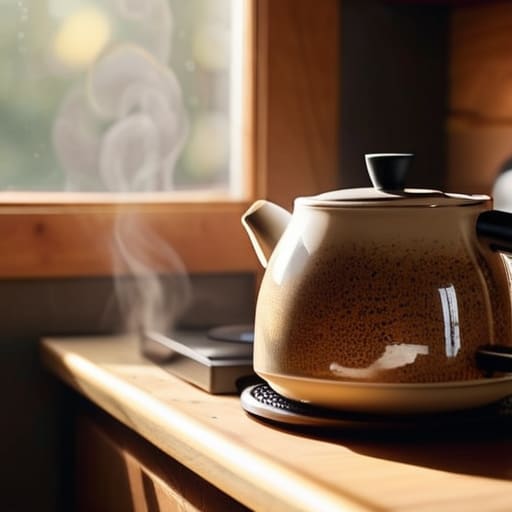
As we wrap up this exploration, I want you to remember that a morning routine isn’t a rigid cage of productivity; it’s a scaffolding for your soul. We’ve talked about the physiological necessity of honoring your sleep, the quiet power of mindfulness, and the importance of moving away from those hyper-curated, “perfect” aesthetic rituals that feel more like chores than comforts. Whether you find your rhythm in the steam rising from a fresh pour-over or the rhythmic scratch of a vintage jazz record, the goal is to build a bridge between your sleep and your day that feels entirely your own. It’s about stacking small, intentional moments that ground you before the world starts demanding things of you.
Ultimately, please give yourself permission to be messy. Some mornings, your “routine” will be a meditative walk through the city; other mornings, it might just be finding the strength to brush your teeth and breathe. There is no gold medal for the most optimized morning, only the quiet, profound satisfaction of living with intention. Don’t let the pursuit of a “perfect” start rob you of the beauty found in the authentic, unscripted chaos of being human. Your morning is yours to shape, to break, and to rediscover, over and over again.
